
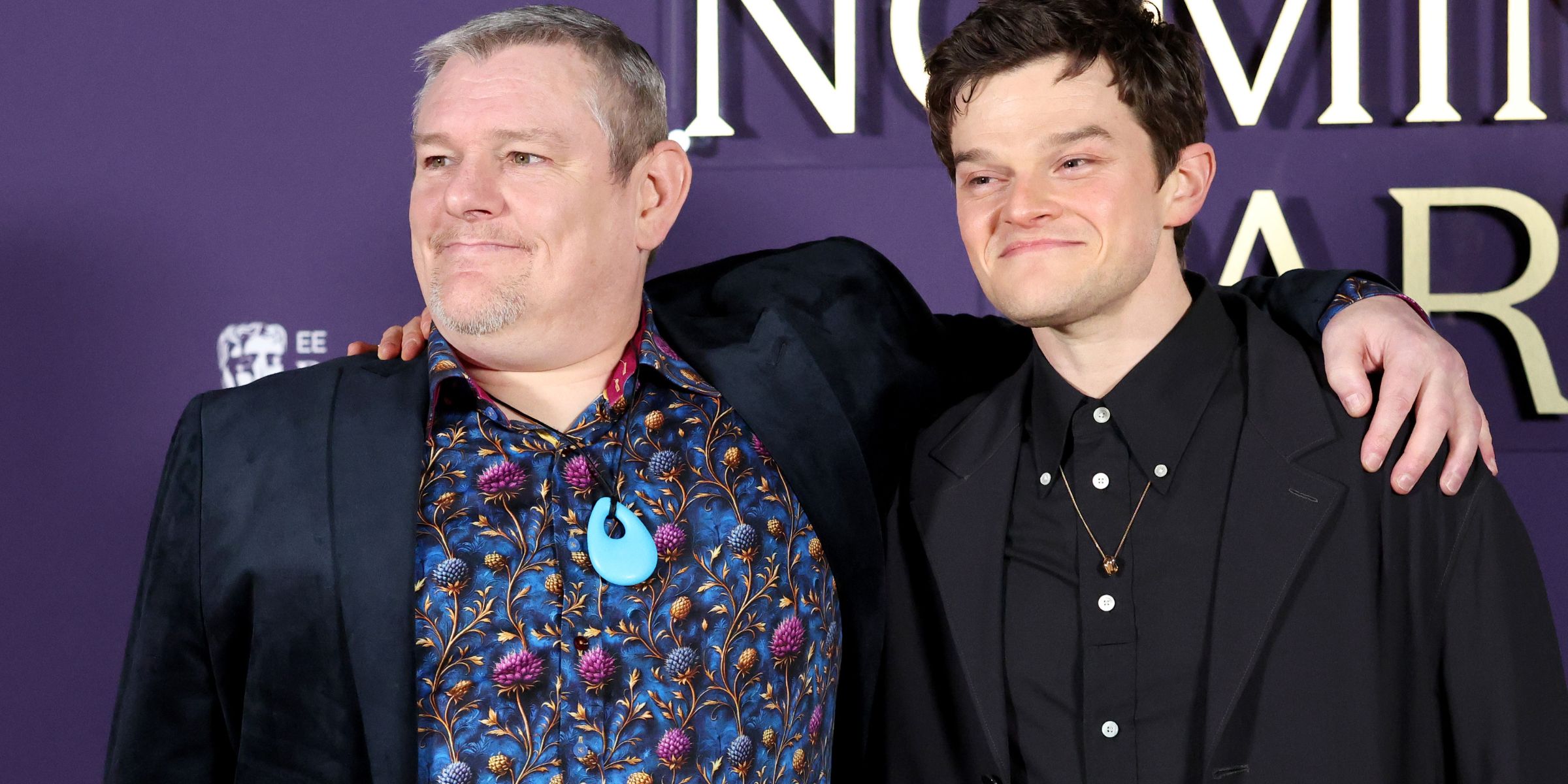
2026 BAFTA Film Awards Shocking Moment: Host Alan Cumming Asks for ‘Understanding’

The interruption — later confirmed to have come from a guest with Tourette's syndrome — turned a glittering night of British film into a moment of national reckoning.
A sudden, offensive shout cut through the Royal Festival Hall on February 22, 2026, as Michael B. Jordan and Delroy Lindo stood at the British Academy of Film and Television Arts (BAFTA) Awards podium to present an early prize.
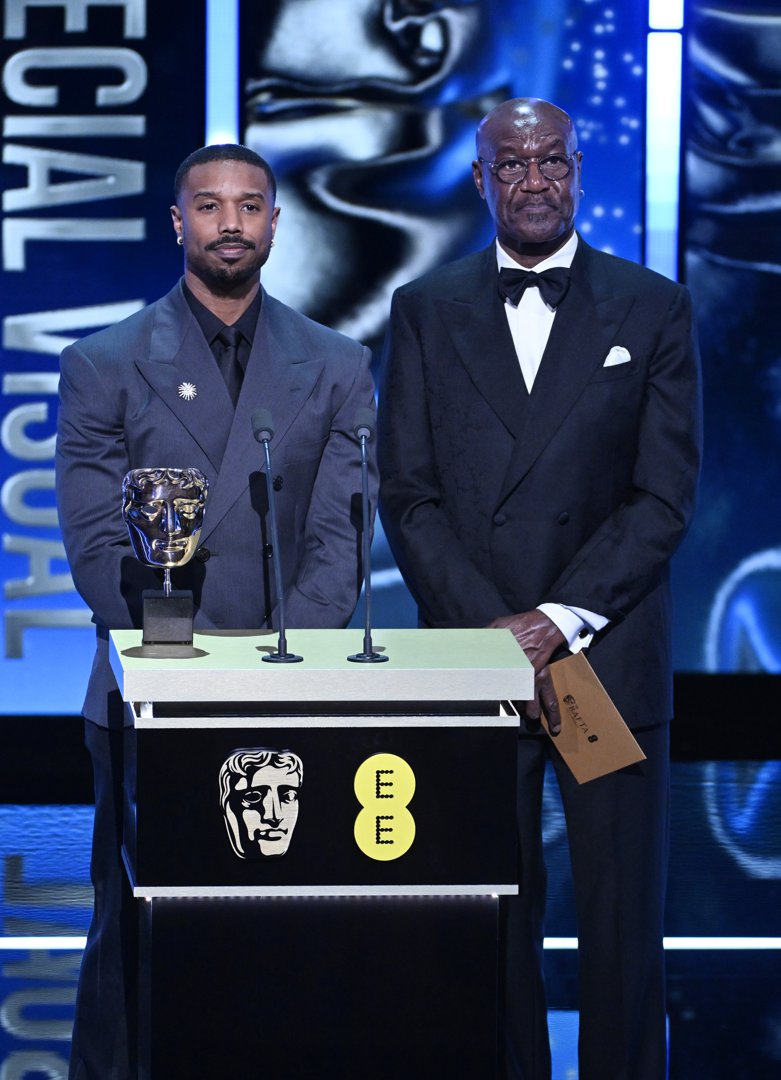
Michael B. Jordan and Delroy Lindo presenting the Special Visual Effects Award on stage during the EE BAFTA Awards at The Royal Festival Hall on February 22, 2026, in London, England. | Source: Getty Images
The interruption was unmistakable — a racist slur, audible inside the room and later widely shared as a clip online, turning a celebratory opening stretch of the ceremony into an immediate flashpoint.
The voice, organisers confirmed, belonged to John Davidson, a guest at the ceremony and the real-life subject of the nominated British independent film "I Swear."
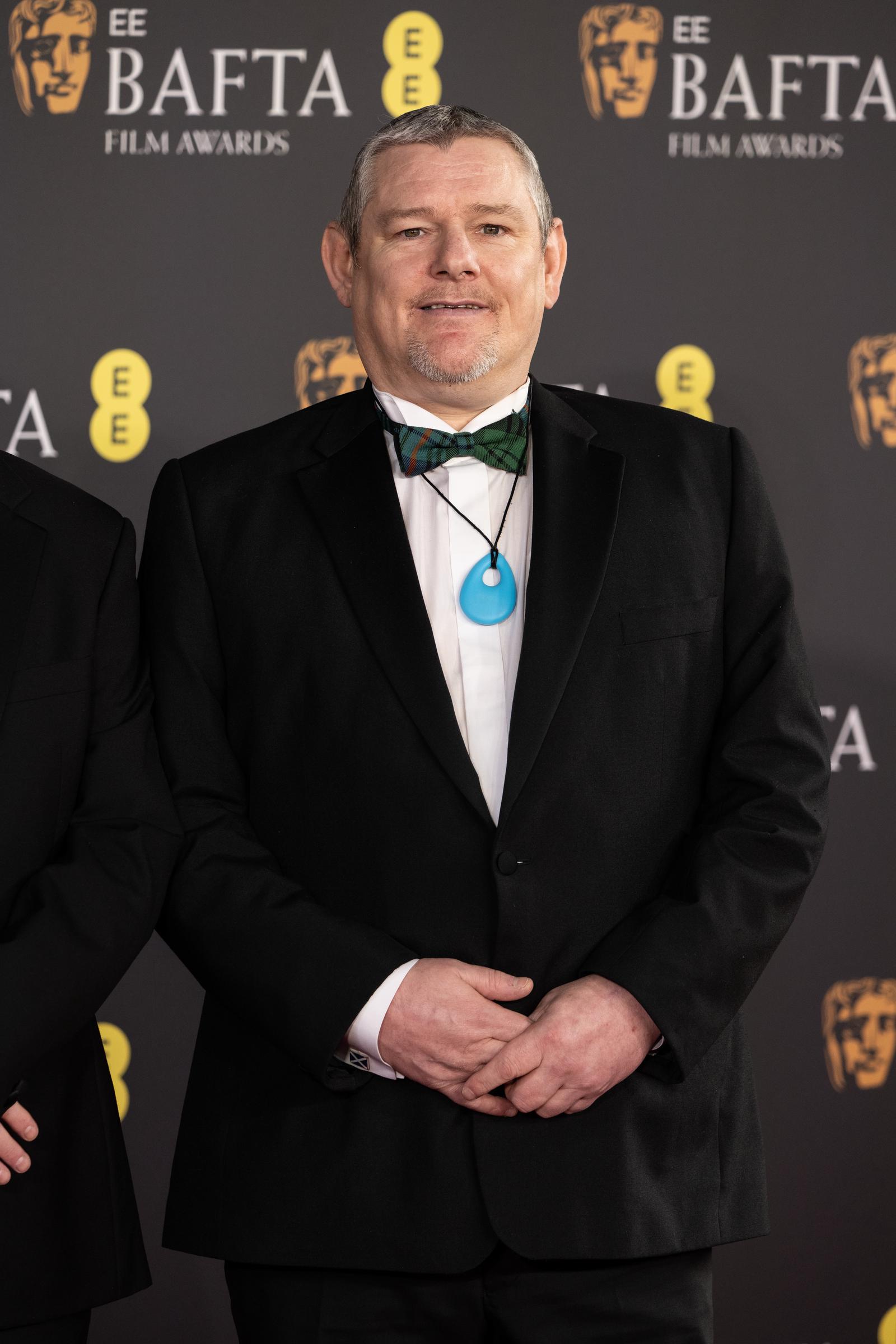
John Davidson at the 2026 EE BAFTA Awards at The Royal Festival Hall on February 22 in London, England. | Source: Getty Images
Davidson has Tourette's syndrome, a neurological condition that can involve involuntary tics and, for some people, uncontrollable vocal outbursts that may include swearing.
He was diagnosed at age 25 after symptoms began at 12, and he has campaigned for greater awareness of the condition. Still, the incident landed heavily in the room.
Lindo, in particular, appeared stunned for a moment before both actors moved on, continuing with their presentation and awarding best visual effects to "Avatar: Fire and Ash." It was the first award of the evening, and the disruption arrived before the ceremony had found its rhythm.
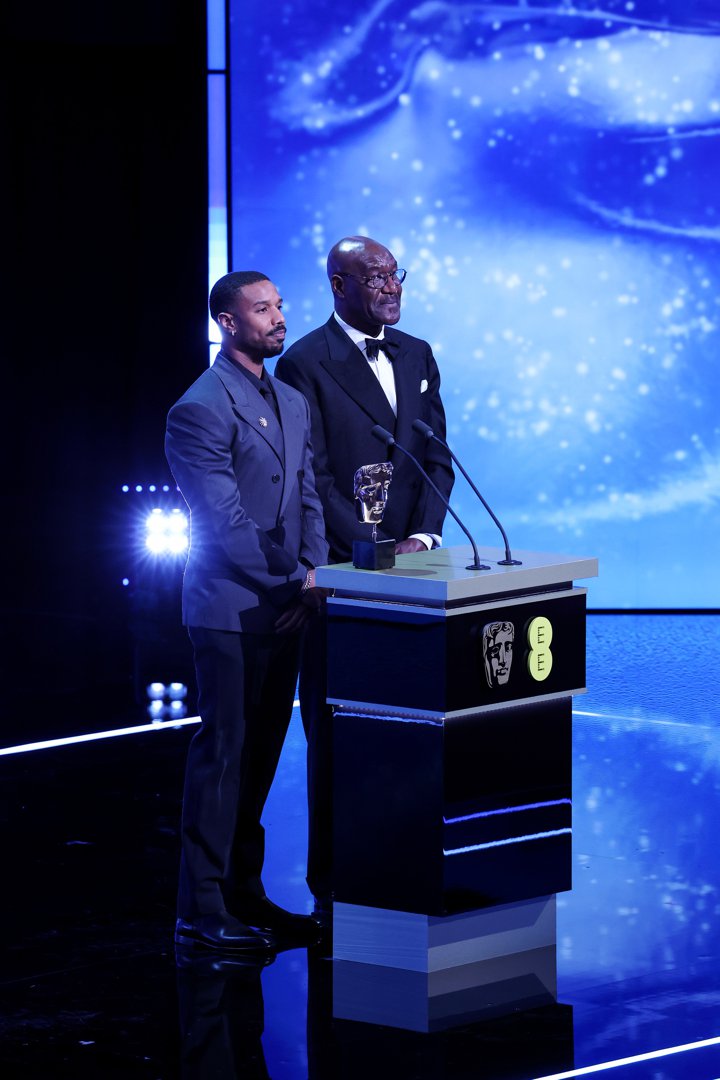
Michael B. Jordan and Delroy Lindo during the EE BAFTA Awards on February 22, 2026, in London, England. | Source: Getty Images
Host Alan Cumming addressed the audience shortly afterwards, asking for "understanding" while acknowledging the language was "strong and offensive." Addressing attendees, who included the Prince and Princess of Wales, the host shared:
"You may have noticed some strong language in the background. This can be part of how Tourette's syndrome shows up for some people as the film explores that experience. Thanks for your understanding and helping create a respectful space for everyone."
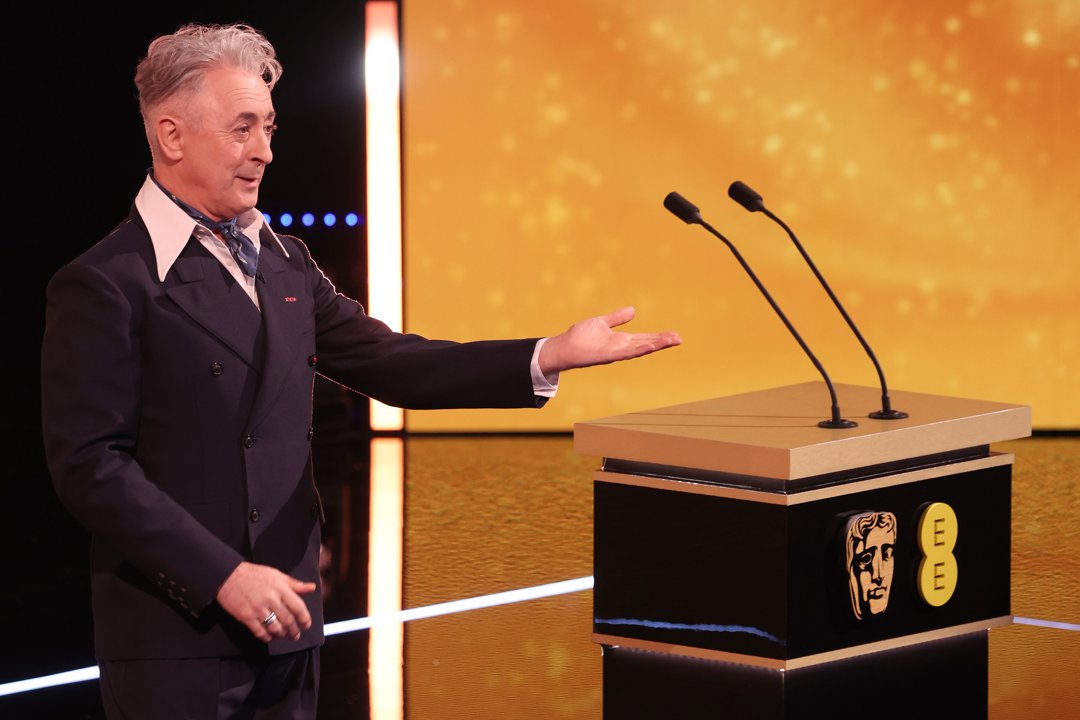
Alan Cumming speaks on stage during the 2026 EE BAFTA Awards on February 22 in London, England. | Source: Getty Images
The award show host later returned to the subject with a more explicit apology, placing the moment in the context of disability while recognising its impact.
"Tourette's Syndrome is a disability, and the tics you've heard tonight are involuntary, which means the person who has Tourette's Syndrome has no control over their language. We apologize if you are offended tonight," he said.
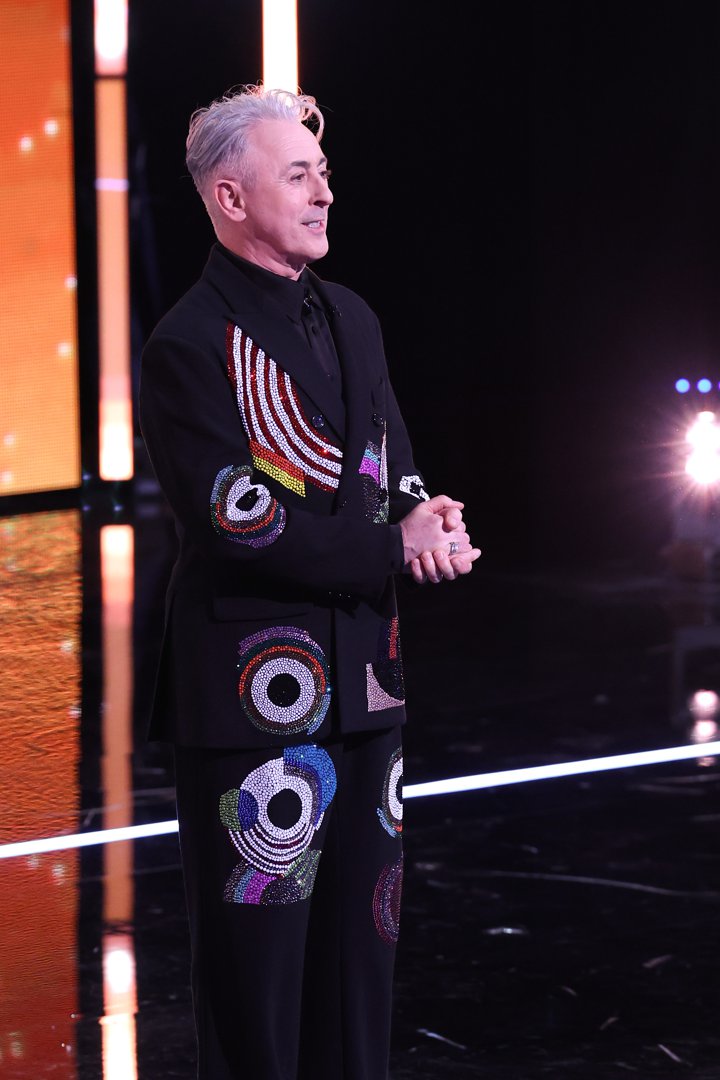
Alan Cumming during the 2026 EE BAFTA Awards on February 22 in London, England. | Source: Getty Images
What made the moment more complicated for those inside the hall was that the audience had been warned that involuntary noises, movements, or swearing could occur.
Before the ceremony began, the floor manager introduced Davidson and cautioned the room, "John has Tourette's Syndrome, so please be aware you might hear some involuntary noises or movements during the ceremony."
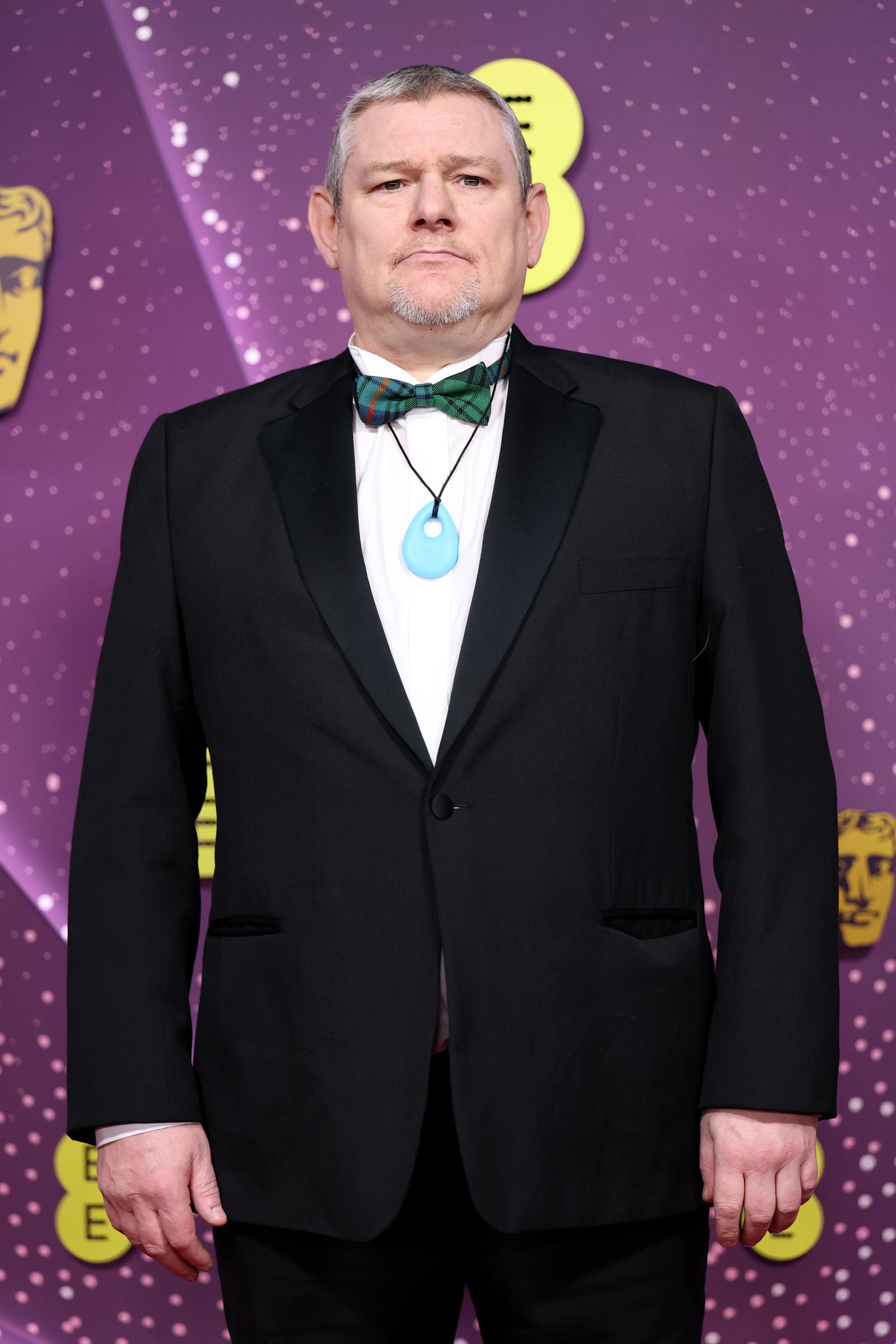
John Davidson at the 2026 EE BAFTA Awards on February 22 in London, England. | Source: Getty Images
Within that framing, Davidson later received applause inside the venue. But even so, the slur was not the only interruption heard during the broadcast portion of the night.
Other outbursts were audible at points in the first half, including "shut the [expletive] up" during an introductory speech from BAFTA chair Sara Putt and "[expletive] you" as the directors of "Boong," which won best children's and family film, accepted their award.
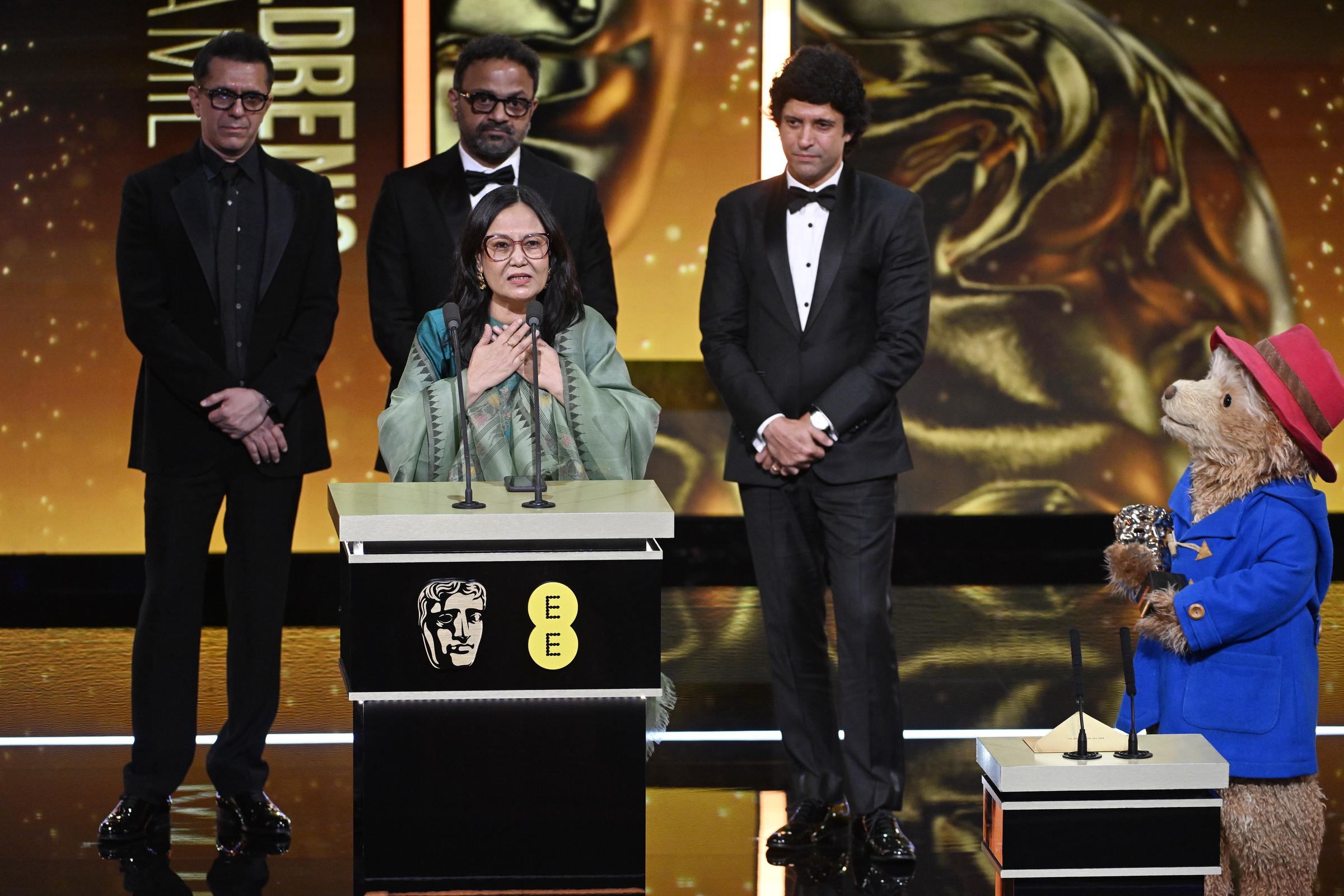
Ritesh Sidhwani, Alan McAlex, Farhan Akhtar, and Lakshmipriya Devi accept the Children's & Family Film Award for "Boong" during the EE BAFTA Awards on February 22, 2026, in London, England. | Source: Getty Images
The remarks created an uneasy undertow beneath the formal proceedings, particularly once the racist language had been heard. However, the interruptions were not heard during the second half of the show, after Davidson appeared to have left the room.
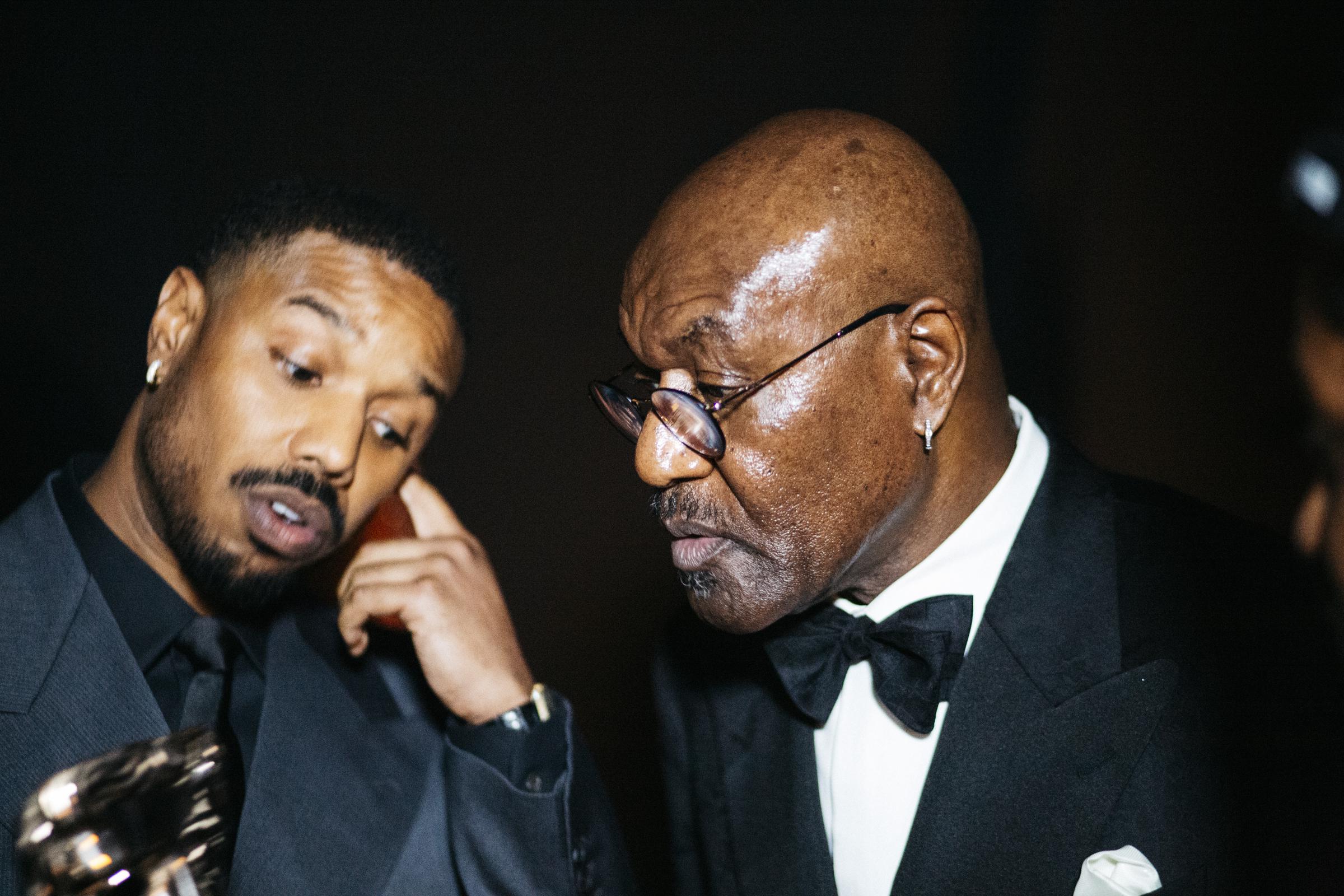
Michael B. Jordan and Delroy Lindo backstage during the EE BAFTA Awards on February 22, 2026, in London, England. | Source: Getty Images
It was reported that he departed of his own accord and was not asked to leave by the award show. As for the outbursts, they remained in the television edit — the ceremony aired on BBC One in the UK with a two-hour delay and on E! in the United States, and the moment was not cut.
Contacted by CNN, the BBC reiterated that Davidson was a guest and was not asked to leave, but the broadcaster did not respond to questions about why the moment was kept in the televised programme.
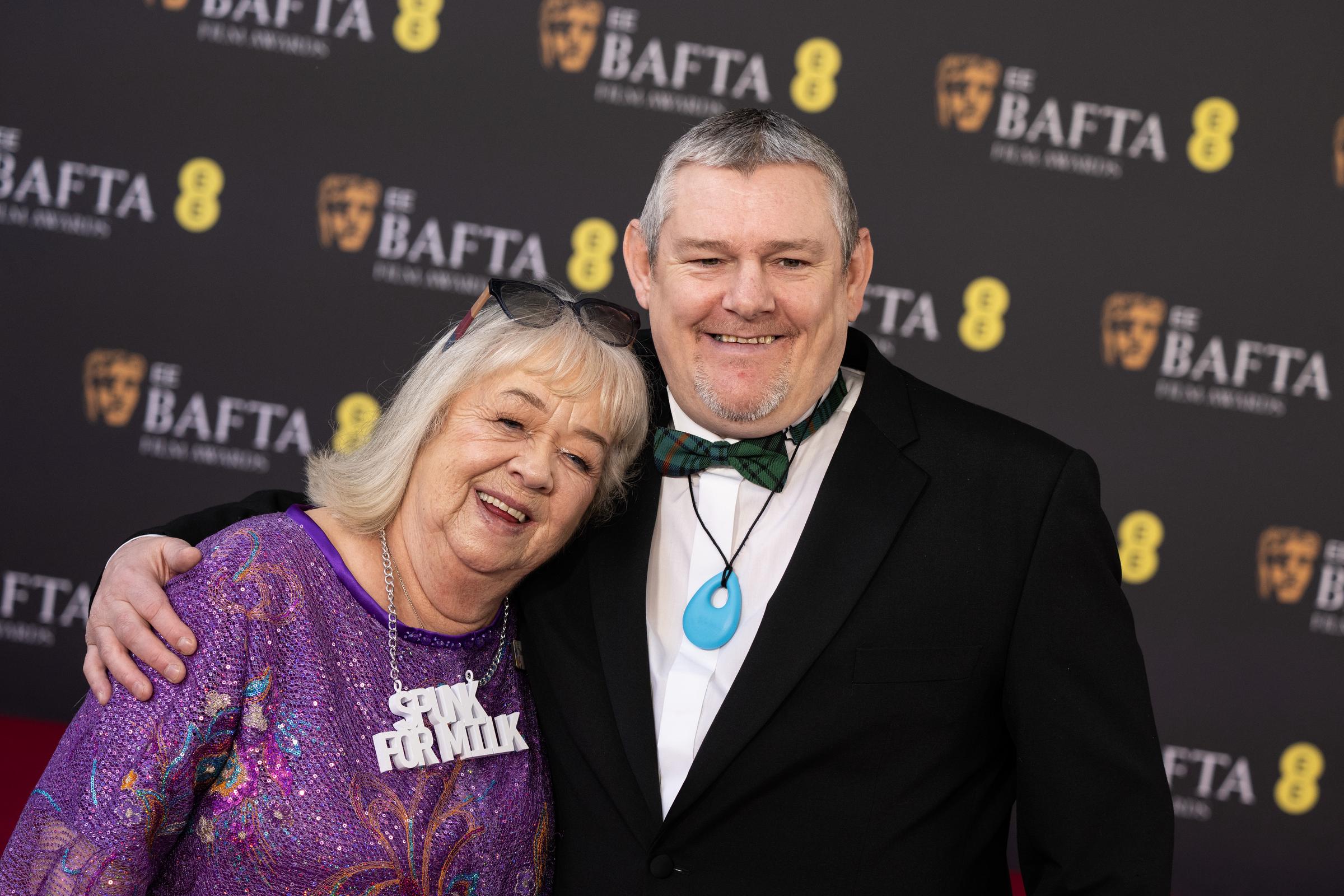
Dottie Achenbach and John Davidson at the EE BAFTA Awards on February 22, 2026, in London, England. | Source: Getty Images
The decision ensured the slur — already heard by those in the room — would be seen and heard by a far larger audience, highlighting how live events handle disability, safety, and harm in real time.
Meanwhile, Davidson had spoken before the ceremony about his anxiety over attending a packed, high-profile event. On the red carpet, he revealed that crowded environments could bring on more tics and that different situations could trigger stronger reactions.
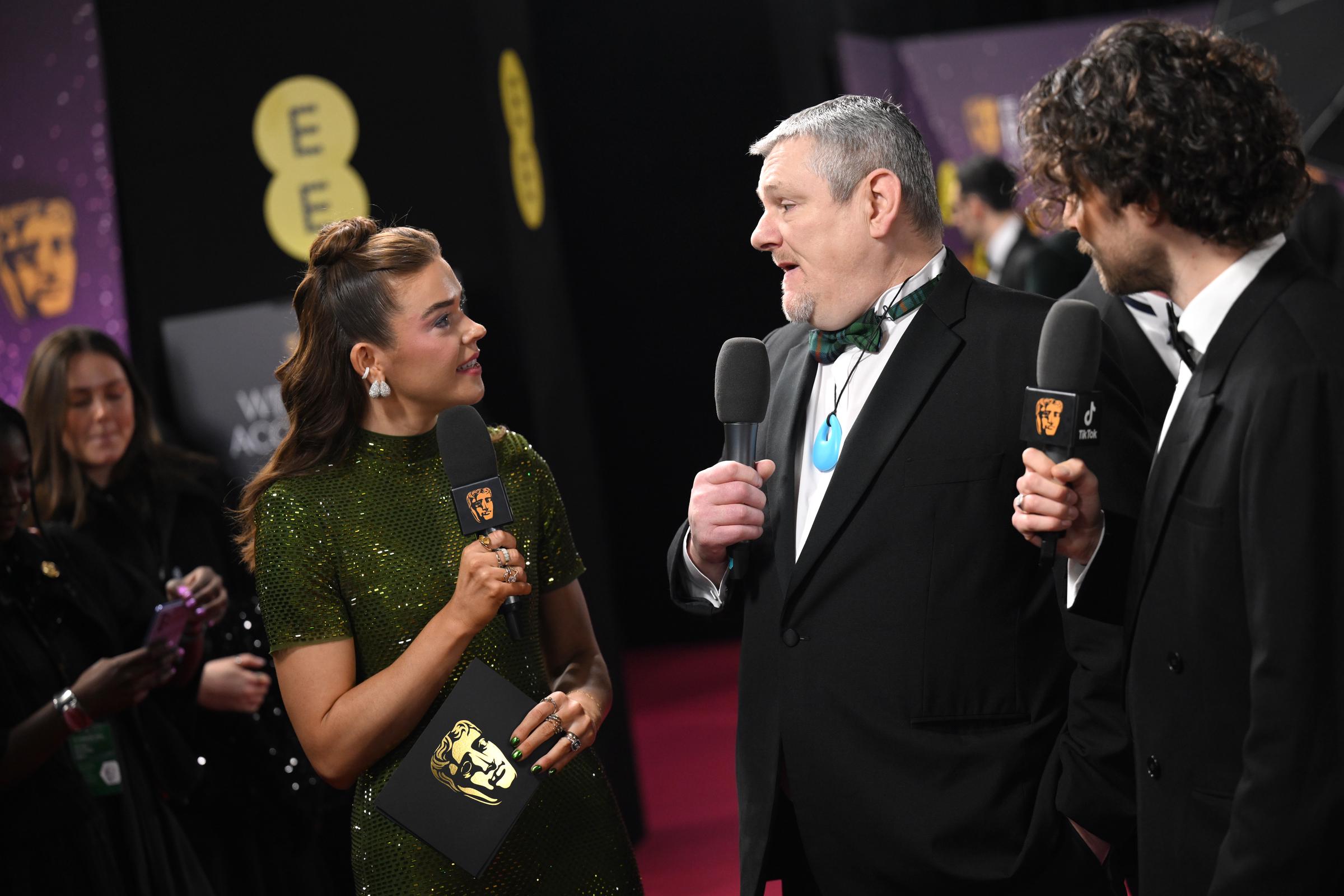
Hannah Townsend and John Davidson during the EE BAFTA Awards on February 22, 2026, in London, England. | Source: Getty Images
He also described how actor Robert Aramayo, who plays him in "I Swear," studied him closely during preparation, asking about tic triggers and where tics might originate.
Then, by the end of the night, "I Swear" had become central to the BAFTA story for another reason — Aramayo pulled off one of the ceremony's biggest shocks.
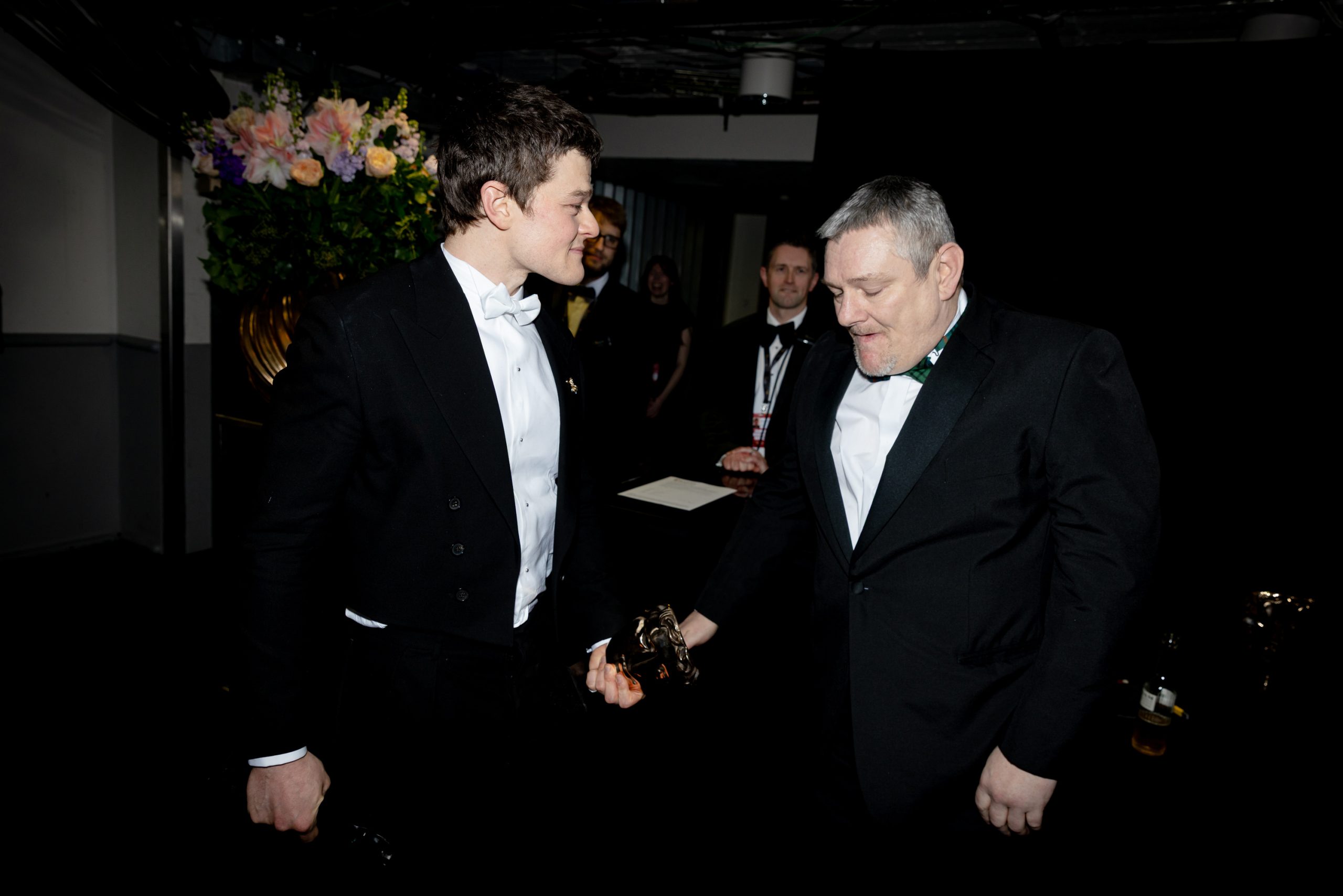
Robert Aramayo and John Davidson backstage during the EE BAFTA Awards on February 22, 2026, in London, England. | Source: Getty Images
The young talent went on to win the leading actor prize over a Hollywood-heavy field that included Leonardo DiCaprio, Ethan Hawke, Timothée Chalamet, Jesse Plemons, and Jordan. Fighting back tears, Aramayo told the audience:
"I absolutely can't believe it. I can't believe that I'm looking at people like you, in the same category as you, never mind that I'm stood here. I honestly cannot believe that I have won this award. I really, really cannot. Everyone in this category blows me away."
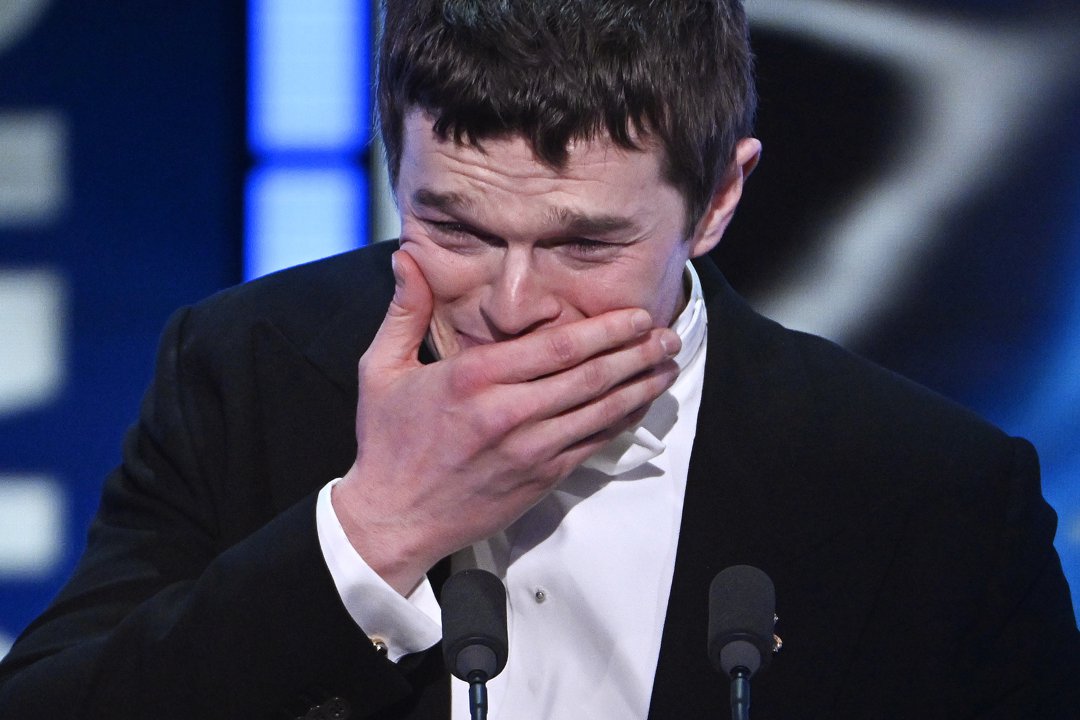
Robert Aramayo accepts the Leading Actor Award for "I Swear" during the EE BAFTA Awards on February 22, 2026, in London, England. | Source: Getty Images
He also thanked the film's director-writer, Kirk Jones, and Davidson, then shared a personal anecdote about Hawke visiting Juilliard and speaking about longevity as an actor. He wrapped up, still visibly overwhelmed, with, "OK, I'm going to stop talking now. Thank you so, so, so, so much."
Earlier in the ceremony, Aramayo also won the EE Rising Star Award, while "I Swear" casting director Lauren Evans won the casting award. Co-star Peter Mullan was nominated for supporting actor, and the film was nominated for outstanding British film but lost to "Hamnet."
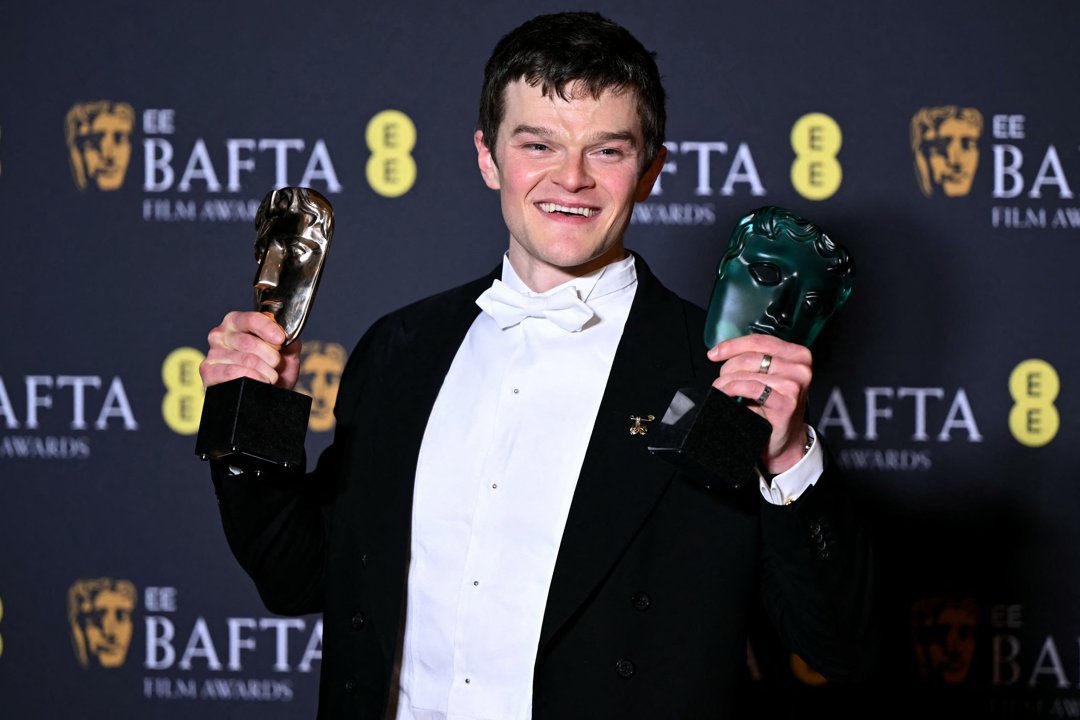
Robert Aramayo during the BAFTA Awards ceremony at the Royal Festival Hall on February 22, 2026, in London, England. | Source: Getty Images
Set in 1980s Scotland, "I Swear" follows Davidson as a young man navigating rejection from family and society at a time when Tourette's syndrome was barely understood, and charts his eventual emergence as a national advocate.
In an October 2025 interview, Aramayo said he hoped the film would resonate with the people he had met while preparing, adding, "I just hope some of them watch it, and they're happy with it."
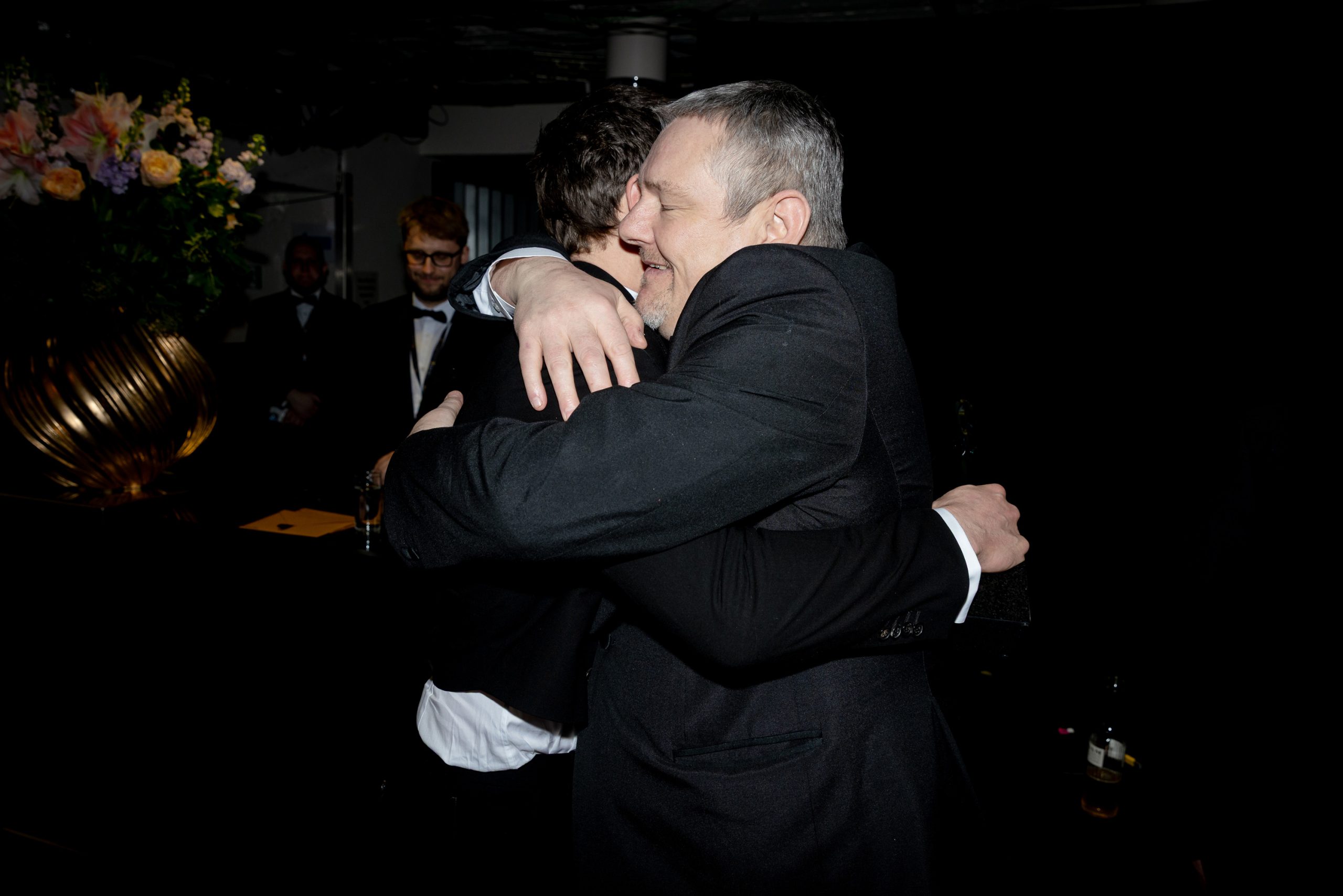
Robert Aramayo and John Davidson backstage during the EE BAFTA Awards on February 22, 2026, in London, England. | Source: Getty Images
Still, it was the interruption at the BAFTAs and the response to it that left the night with its most lasting aftershock — a collision between an awards show's carefully managed spectacle and a moment of real-world harm, followed by an on-the-spot appeal for empathy that did not erase the sting of what was heard.