
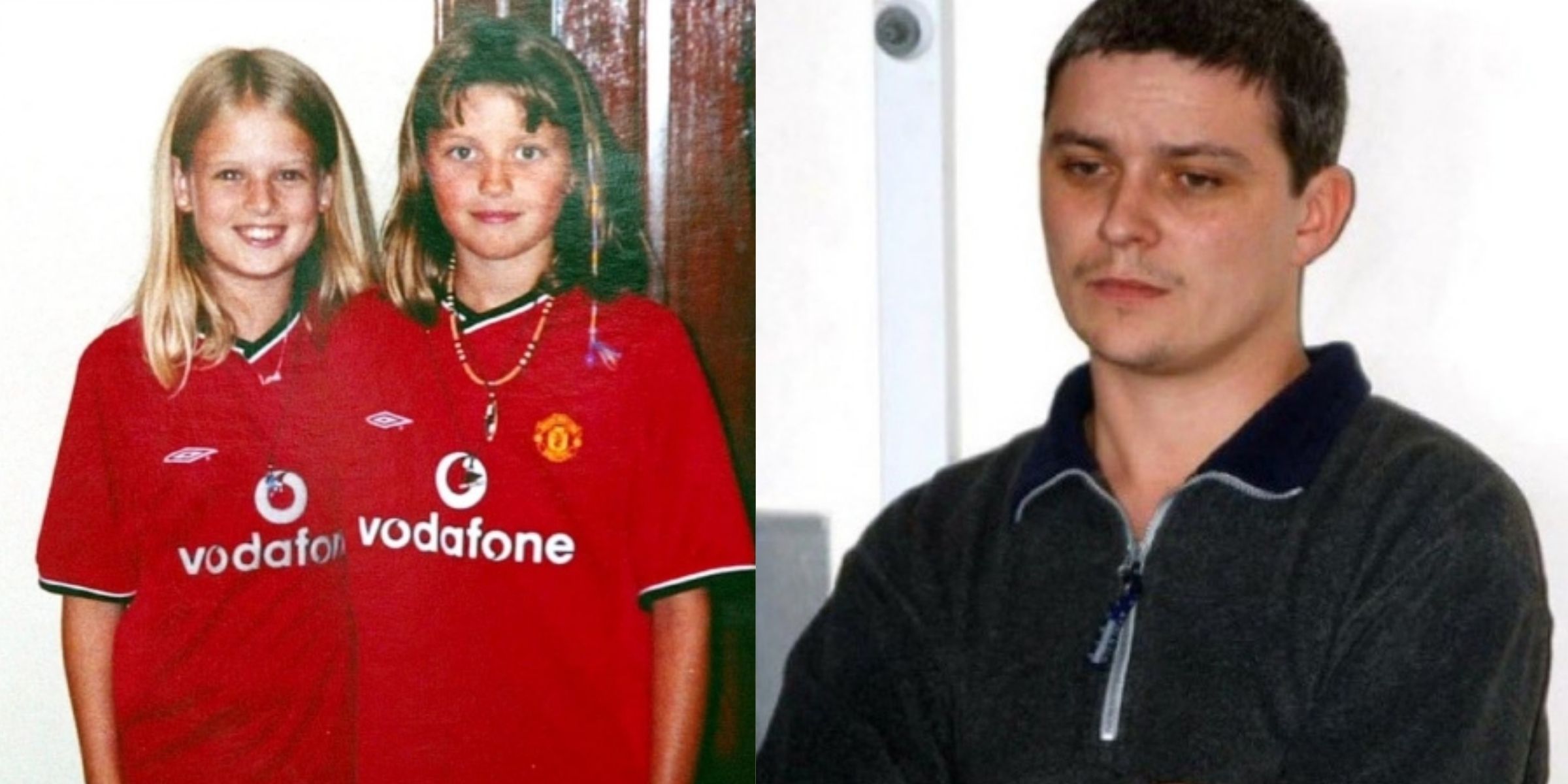
What We Know So Far About the Prison Attack on Child Killer Ian Huntley

As investigators examine how the assault unfolded, fresh details have emerged about the suspected attacker, the tense atmosphere inside the segregated wing where Huntley was housed, and the emotional visit made by his 71-year-old mother to his hospital bedside.
Ian Huntley, the man convicted of murdering 10-year-olds Holly Wells and Jessica Chapman, is fighting for his life after a violent prison attack that has reignited public debate and drawn renewed attention to one of Britain's most harrowing criminal cases.
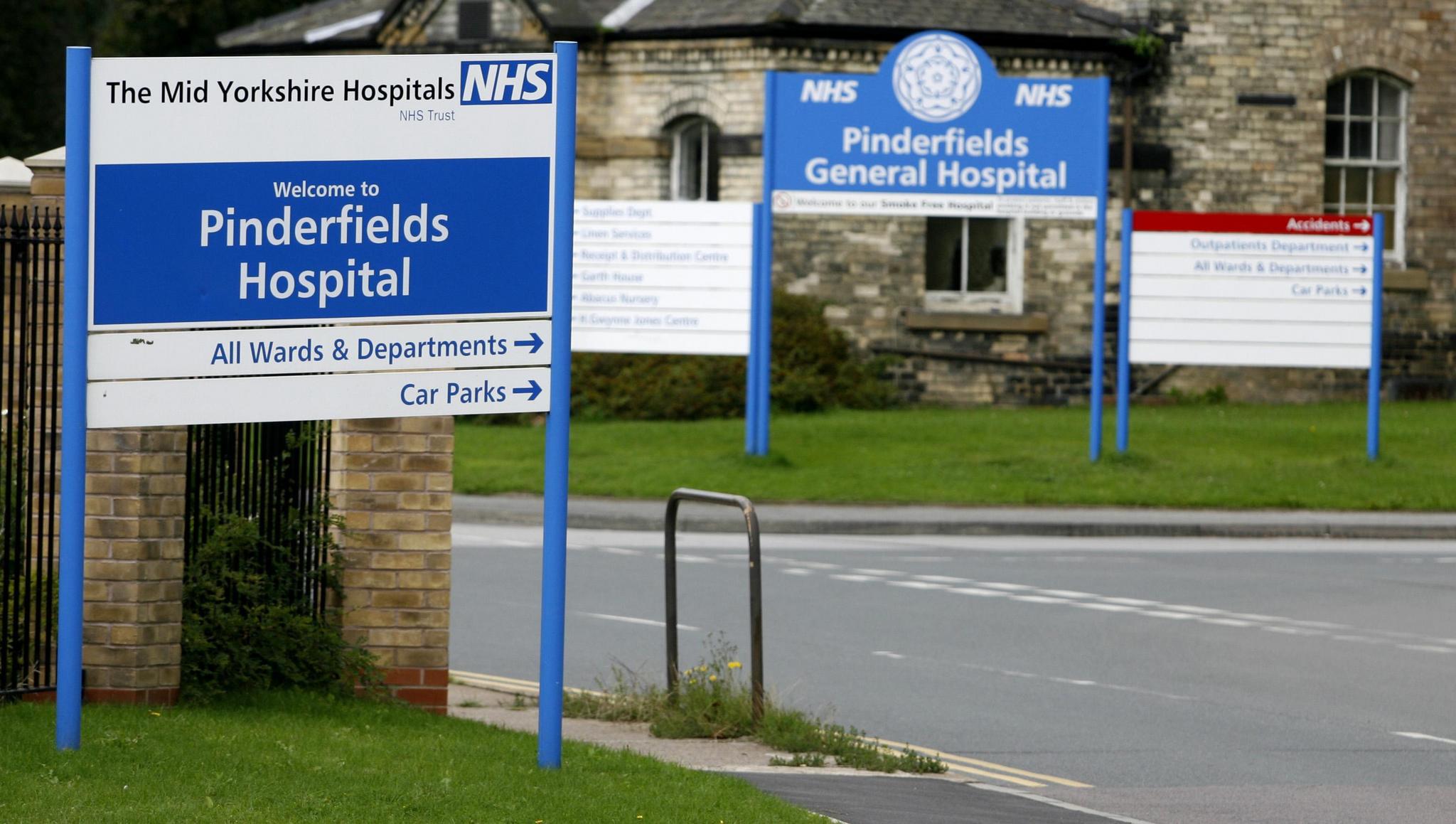
Pinderfields Hospital in Wakefield where it was thought that Soham killer Ian Huntley was being treated in 2006. | Source: Getty Images
As of February 28, 2026, police confirmed that Huntley remains alive but in a serious condition, following what sources described as a targeted assault inside HMP Frankland in County Durham.
What unfolded inside the high-security prison has since raised urgent questions — not only about safety behind bars, but about justice, punishment, and the complicated human fallout that continues more than two decades after the Soham murders.
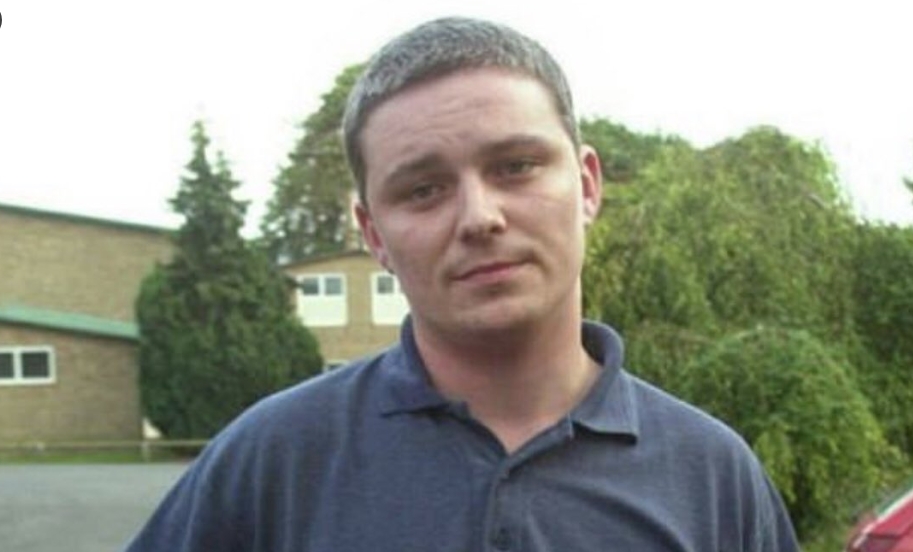
Ian Huntley in a post dated February 26, 2026, amid renewed attention following a violent prison attack. | Source: X/JamesPGoddard90
The incident occurred at approximately 9.30 a.m. on Thursday, when Huntley, 52, was attacked while working in a prison workshop.
According to multiple prison sources, another inmate armed himself with a three-foot spiked metal pole and struck Huntley several times to the head. The alleged weapon was reportedly taken from materials within the workshop area.
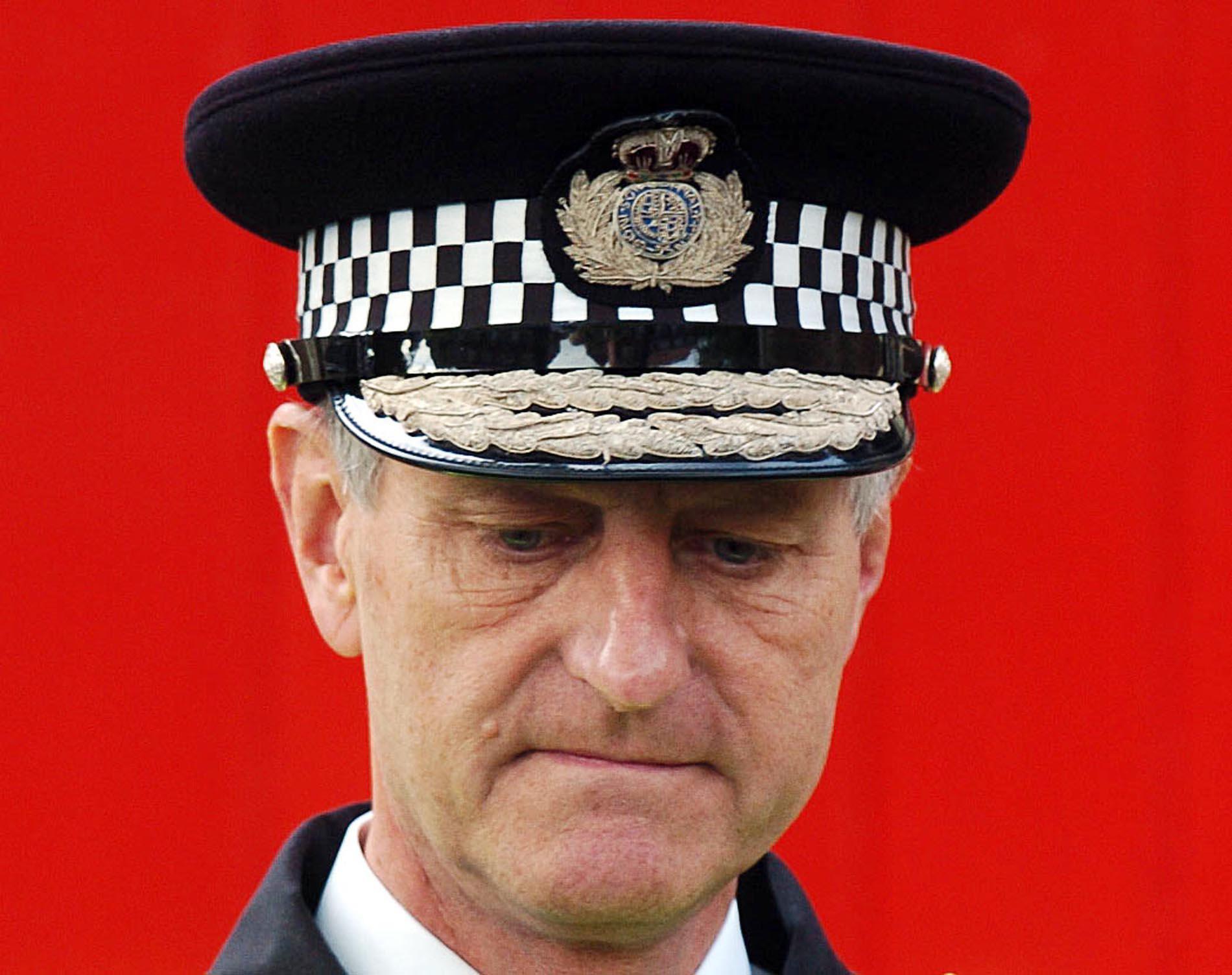
The Chief Constable of Humberside Police, David Westwood, who was criticised in the Bichard report on the vetting of killer Ian Huntley, photographed on July 2, 2004. | Source: Getty Images
Suspicion has centred on Anthony Russell, 43, a triple murderer and rapist who is also serving a whole-life sentence. While authorities have not publicly named a suspect, insiders have alleged Russell was involved in the confrontation. Witnesses claimed that as officers intervened, Russell shouted:
"I've done it, I've done it. I've killed him, I've killed him."
Huntley sustained what sources described as catastrophic injuries, including skull fractures, a broken jaw, and significant brain trauma. He was treated at the scene before being transferred to hospital, where he was placed in a medically induced coma.
He remains on life support and is breathing with the assistance of a ventilator. One insider said medical staff initially believed he would not survive. Another claimed doctors estimated his survival chances at just five percent following the assault.
Durham Constabulary confirmed there had been no improvement in his condition. A spokesperson said, "There has been no change in the 52-year-old man's condition overnight — he remains in hospital in a serious condition."
Beyond the immediate violence, the alleged motive has also drawn scrutiny. Prison sources suggested tensions had been building on Wing A — a segregated unit housing inmates considered vulnerable within the wider prison population.
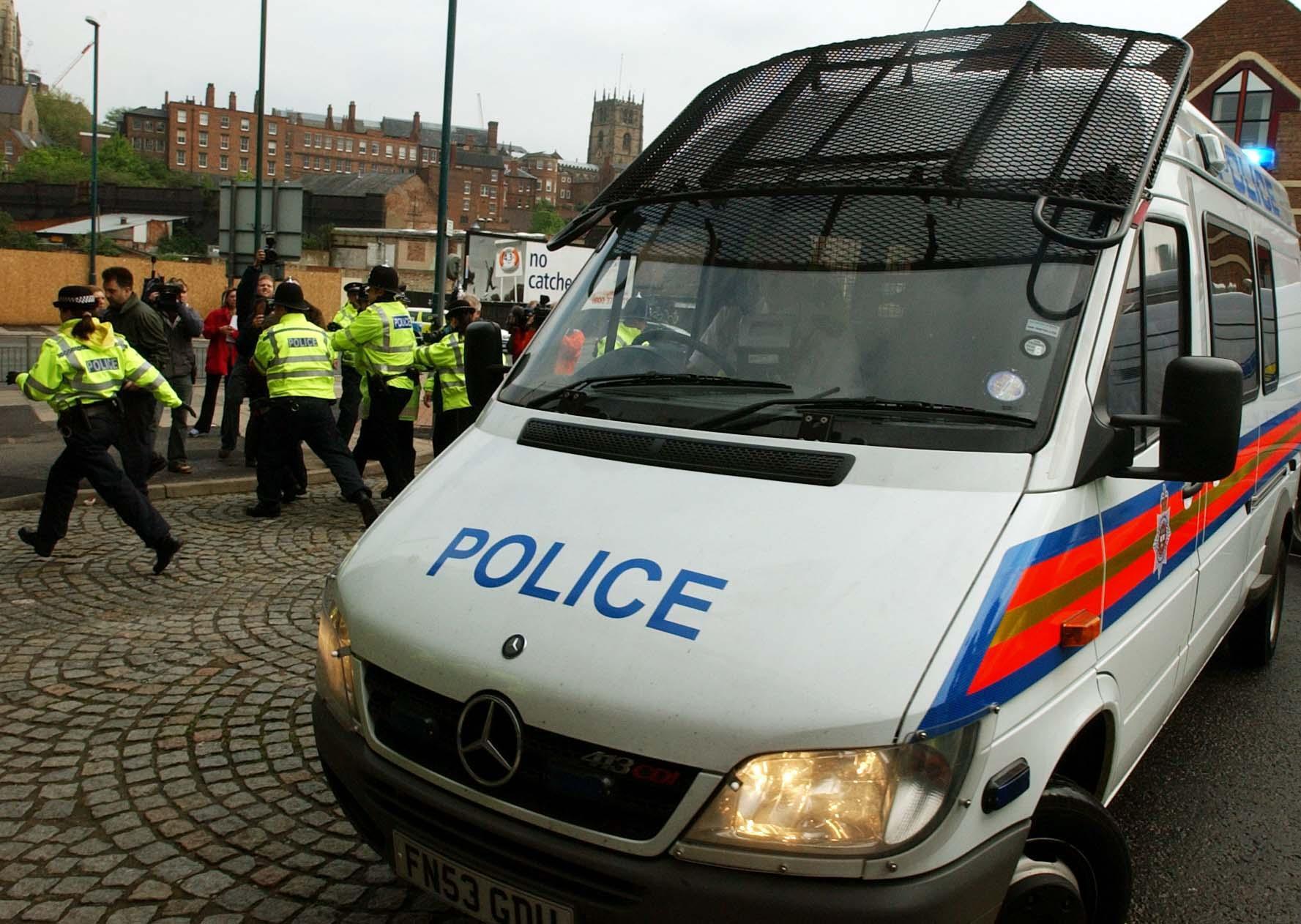
A police van arrives at Nottingham Crown Court, where Maxine Carr, the ex-fiancee of Soham murderer Ian Huntley, appeared after being charged with benefit fraud on May 10, 2004. | Source: Getty Images
Some insiders alleged Huntley had been attempting to intimidate or undermine others on the wing. There were further claims that hostility toward him had been longstanding. One source alleged there had been a "queue" of inmates who wanted to kill him.
That sentiment appeared to echo beyond prison walls. As news of the attack spread, reaction online was swift and deeply polarised. Some argued that death would represent an escape rather than justice.
One person asked, "Why are people wanting him to die? Surely more of a punishment to live a very long life in constant fear of being attacked!" Another commented, "They're giving him a 5% chance of survival."
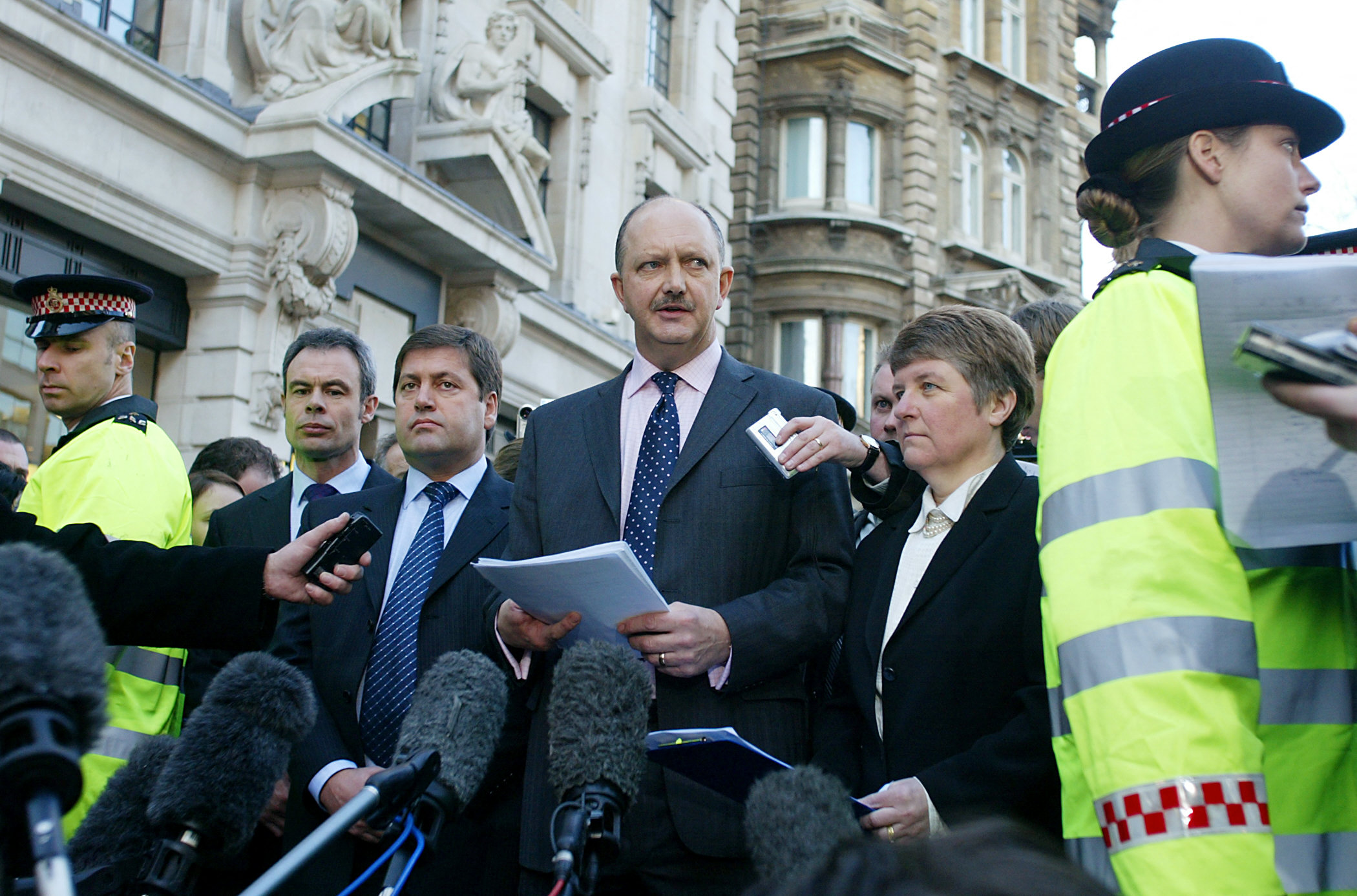
Deputy Chief Superintendent Chris Stevenson speaks to the media after Ian Huntley was sentenced to two life terms in prison for murdering 10-year-old school girls Holly Wells and Jessica Chapman and his girlfriend, Maxine Carr, was convicted of preventing the course of justice on December 17, 2003, in London, England. | Source: Getty Images
Others were less restrained. "Google what he did to get sent to prison, absolute animal," one individual typed. Another wrote simply, "An eye for an eye ...." Attention also turned to the alleged attacker. One commenter shared, "His attacker is just as horrendous," while another added, "He's no better."
While public opinion remains fierce, a very different reckoning has been unfolding privately. Huntley's mother, Lynda Richards, 71, reportedly travelled 175 miles to visit her son in hospital after surgeons operated on him.
According to a source close to the family, Richards was deeply shaken by the extent of his injuries and struggled to recognise him. The same source claimed she had spoken with Huntley just two days before the attack. The emotional toll, insiders said, has been immense.
One source described the situation as "an extraordinarily difficult thing for her to come to terms with," adding that after years of repeated attacks on her son in custody, Richards had reached a painful conclusion. The insider added:
"Part of her just hopes he passes away this time. But he's still her son, regardless of what happened, and they have remained very close."

The statue of justice stands on the cupola of the Old Bailey courthouse photographed after Ian Huntley was sentenced to two life terms in prison for murdering 10-year-old school girls Holly Wells and Jessica Chapman and his girlfriend, Maxine Carr, was convicted of preventing the course of justice on December 17, 2003 in London, England. | Source: Getty Images
Richards is also said to have confided to friends that she "just wants to be free of it," expressing a sense of emotional exhaustion that has followed her for more than two decades.
At the same time, she reportedly acknowledged the strength of public anger should Huntley die, saying she understood that "flags will fly high." Yet, according to the source, she has remained close to him throughout his imprisonment and continues to see him first and foremost as her son.
The conflicting emotions — grief, shame, loyalty, and resignation — reflect the often-overlooked collateral damage borne by families of notorious offenders.
Online, several commenters expressed sympathy toward Richards, separating her identity from her son's crimes. "Poor woman. She too os [sic] serving a life sentence for his actions," one person wrote.
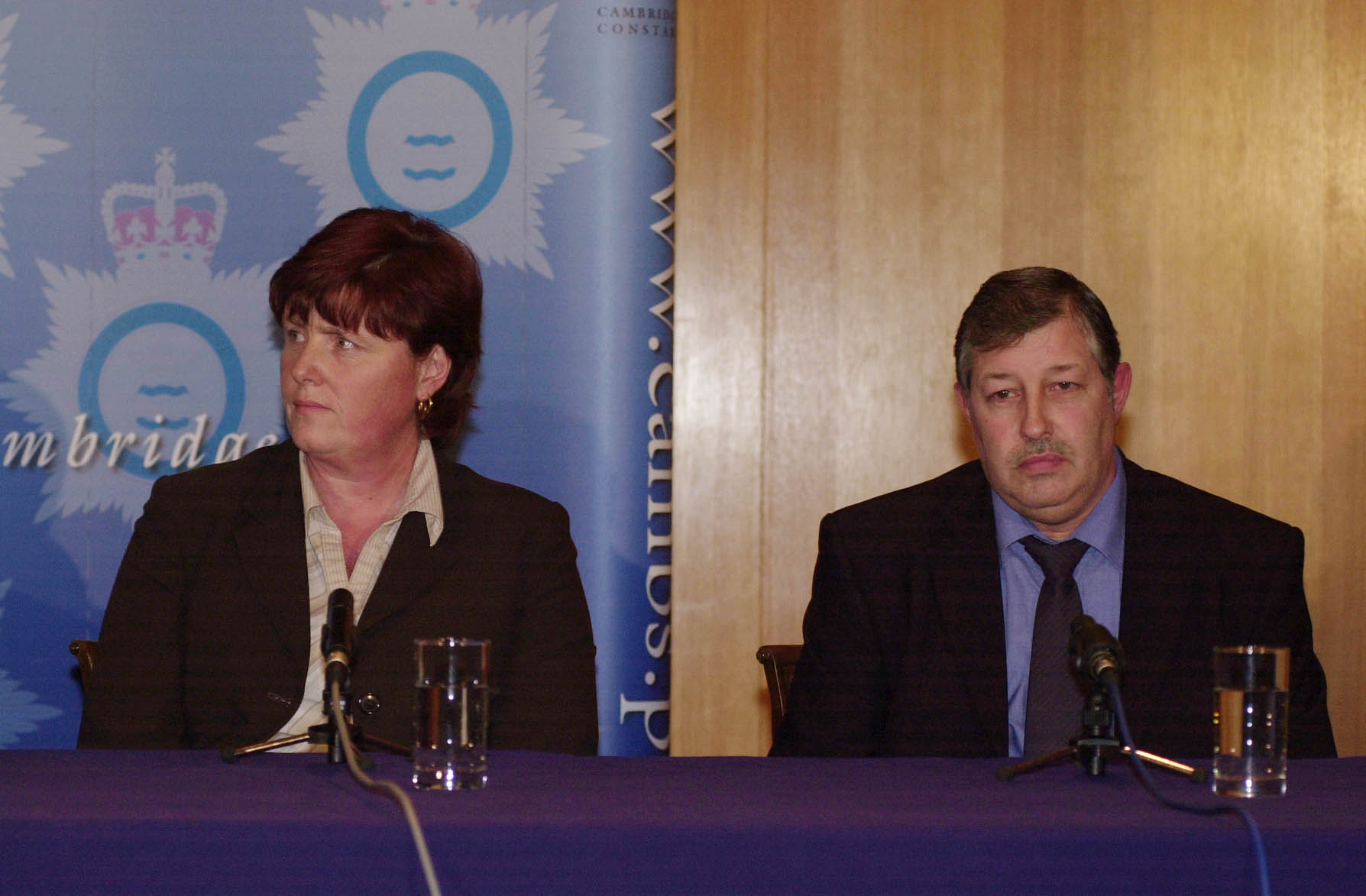
Leslie and Sharon Chapman, the parents of the murdered schoolgirl Jessica Chapman, pictured during a press conference following the end of the trial in which Ian Huntley was convicted of two murders inside the Old Bailey Criminal Court on December 17, 2003, in London, England. | Source: Getty Images
Another shared, "A mother's love is unconditional but like its [sic] been said before till you walk in that ladies shoes let's not judge her xxx."
A third commented, "I feel for his mum ! His still her son and as a mum myself you hate what he done and she won't like him for it but you never stop loveing your kids whatever they do a lot might not agree [sic]."
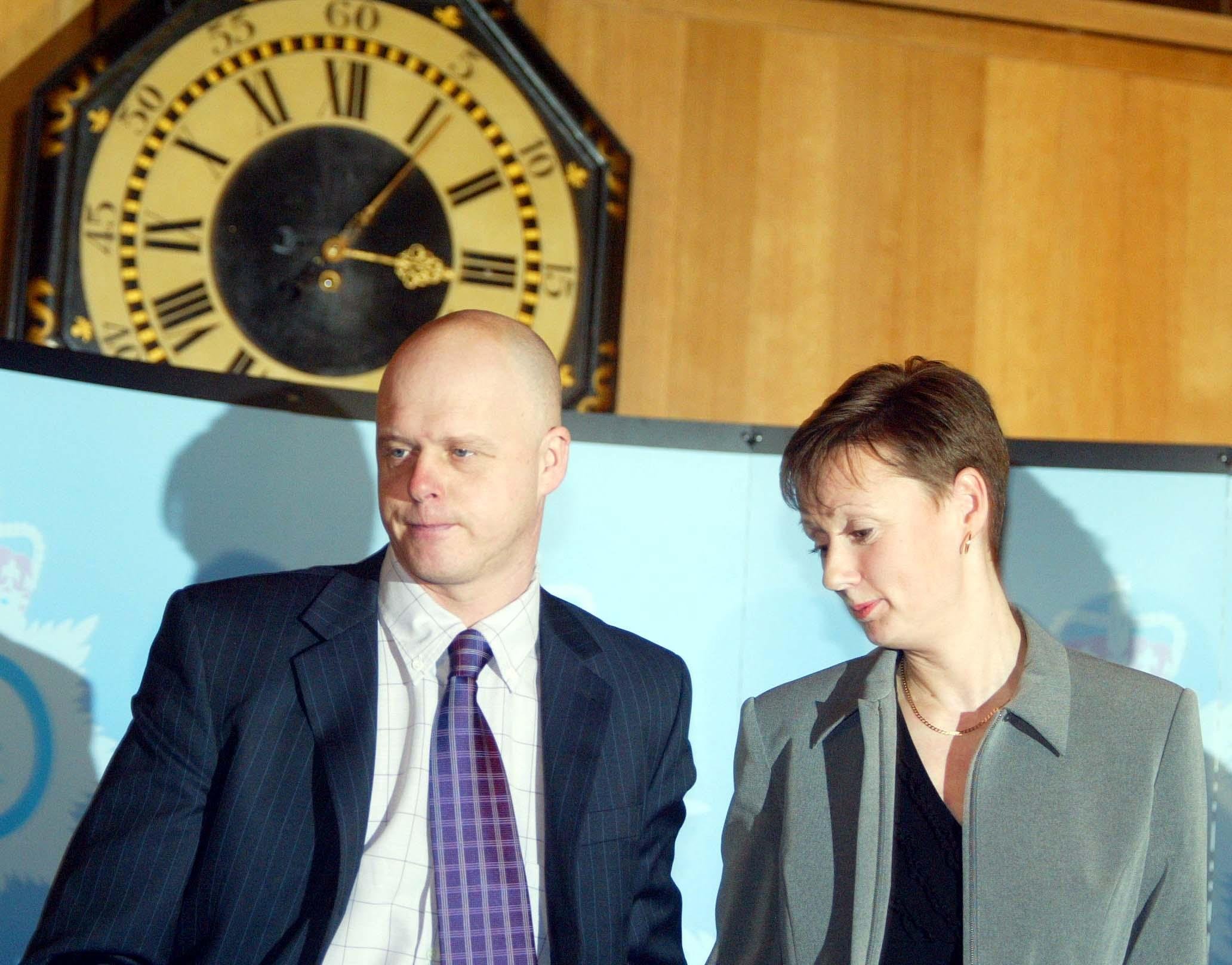
Kevin and Nicola Wells, the parents of the murdered schoolgirl Holly Wells, pictured during a press conference following the end of the trial in which Ian Huntley was convicted of two murders inside the Old Bailey Criminal Court on December 17, 2003, in London, England. | Source: Getty Images
Any discussion of Huntley inevitably returns to August 4, 2002. On that summer afternoon, 10-year-old best friends Holly Wells and Jessica Chapman left home in Soham, Cambridgeshire, to buy sweets. They never returned.
At the time, Huntley was working as a school caretaker. Prosecutors later established that he lured the girls into his home, where he murdered them before disposing of their bodies in a ditch approximately 12 miles away. He later returned to the scene and attempted to set them alight.
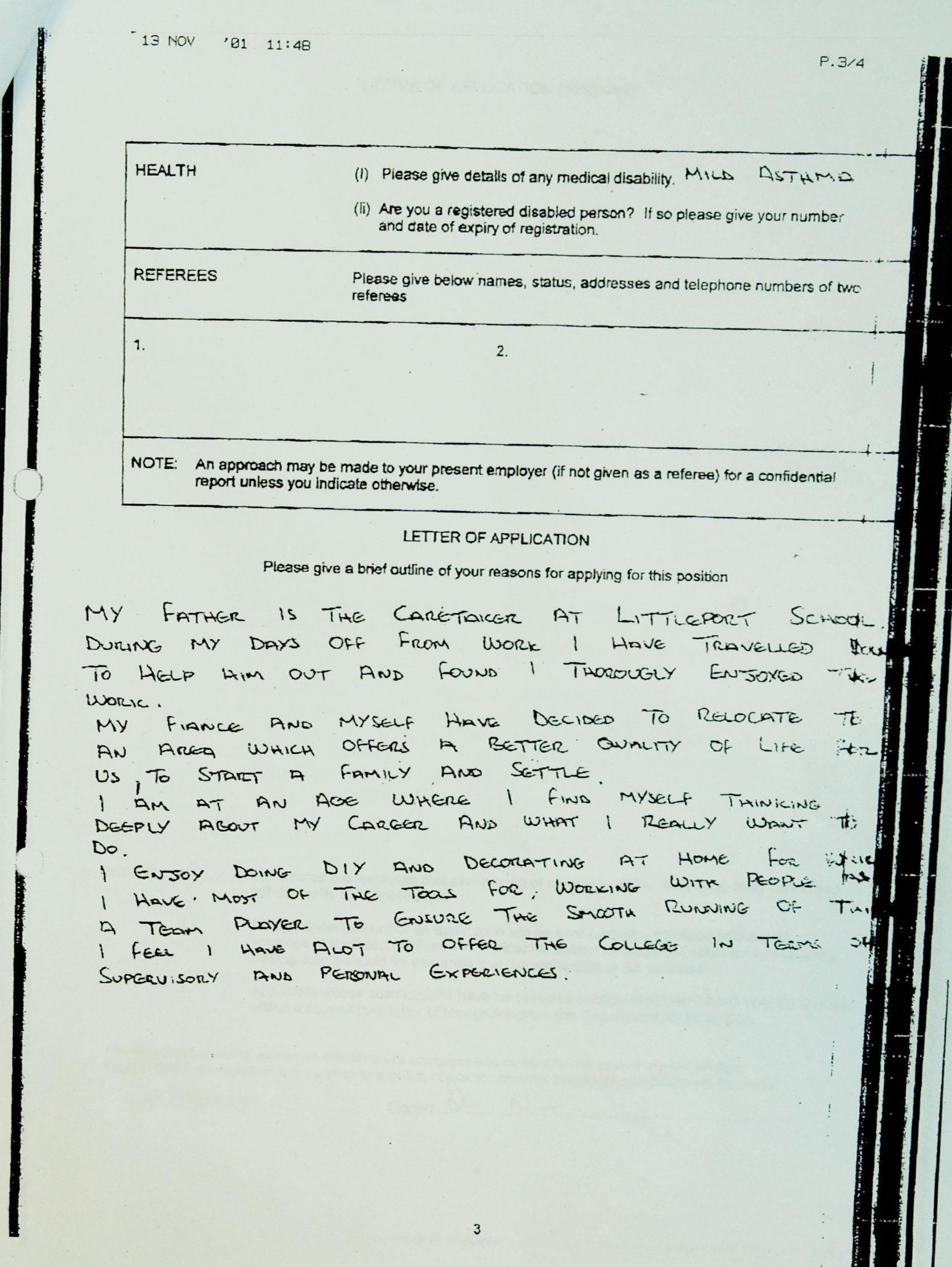
A copy of Ian Huntley's application form for the job of caretaker at Soham Village College which was presented to the Bichard Inquiry. | Source: Getty Images
The search for the victims became a national effort. Around 400 police officers, alongside volunteers from the local community, combed fields, waterways, and surrounding villages. For days, the country watched and hoped.
Their bodies were eventually discovered more than a week after they disappeared. During his 2003 trial, Huntley pleaded not guilty. He claimed one of the girls had drowned accidentally in his bath and that the other died unintentionally while he tried to silence her.
However, the jury rejected his account, and he was subsequently convicted of both murders and sentenced to life imprisonment with a minimum term of 40 years.
The case reshaped safeguarding procedures across the UK and left a lasting mark on the national consciousness. Now, more than two decades later, the latest development has reopened old wounds and revived public anger.
As investigations into the prison attack continue, one fact remains unchanged — Huntley is still alive, but in a grave condition. Whether he survives — and what that would mean for victims' families, prison authorities, and a divided public — remains uncertain.