
Days Before Artemis II Launch, Astronaut Reid Wiseman Prepared His Daughters for What Would Happen If He Didn’t Return

Before heading to Florida's Kennedy Space Center to lead the first crewed lunar mission in more than half a century, an astronaut sat his two daughters down and shared a conversation no parent ever hopes to have.
Rather than offering reassurance or a dramatic farewell, he chose a clear, practical conversation about what would happen if he did not return, grounded, direct, and deeply personal.
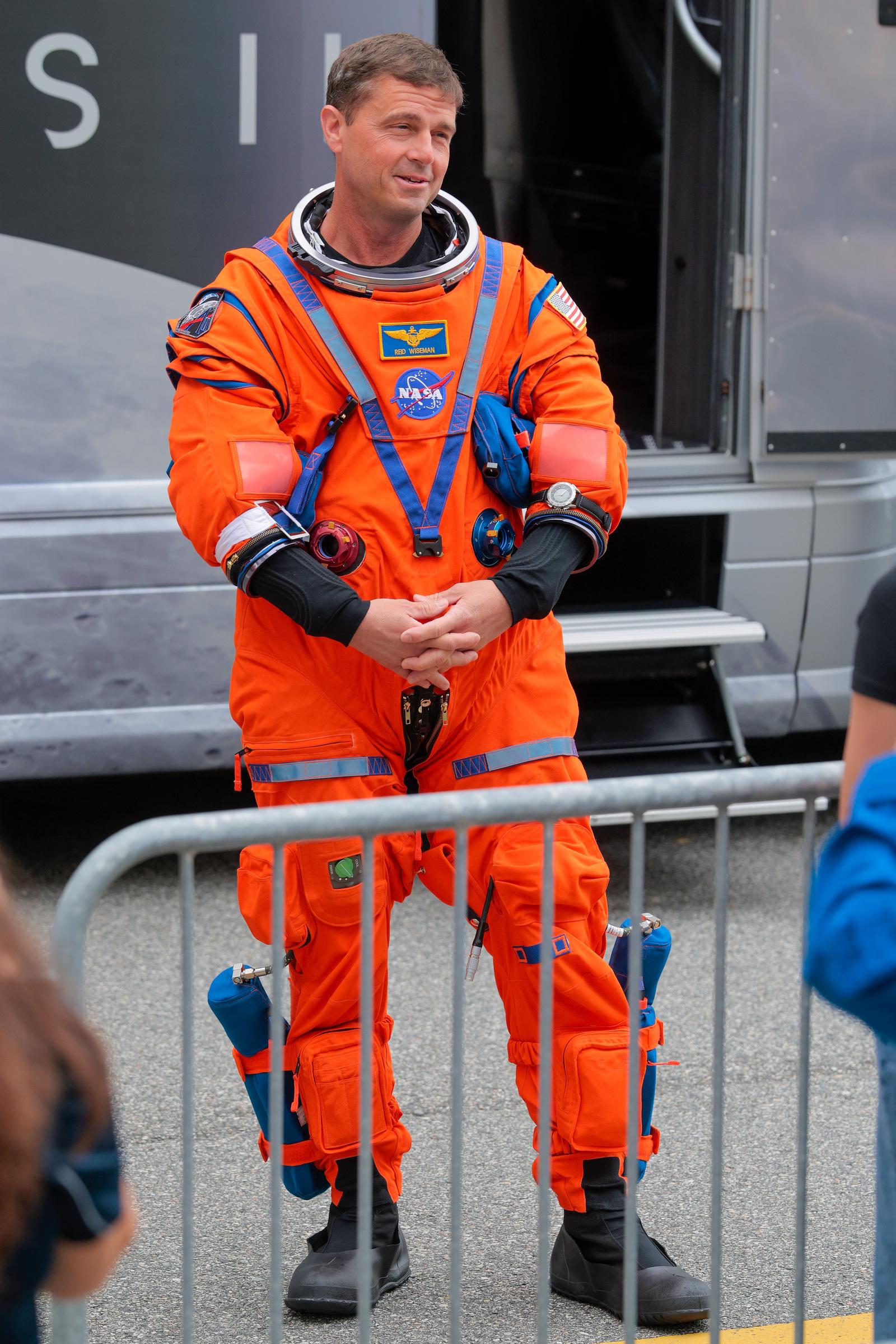
Commander Reid Wiseman speaks to his family as he walks out of the Neil A. Armstrong Operations and Checkout Building ahead of the launch of the Artemis II at NASA’s Kennedy Space Center on April 01, 2026 in Cape Canaveral, Florida. | Source: Getty Images
Reid Wiseman, 50, commander of NASA's Artemis II mission, took his daughters Ellie and Katherine for a walk in the days before the 1 April launch and explained exactly what they needed to know if something went wrong.
A single father raising two teenagers after losing his wife, Carroll, to cancer in 2020, Wiseman approached the moment with the same clarity he brings to spaceflight, leaving nothing unsaid.
"I told them, 'Here's where the will is, here's where the trust documents are, and if anything happens to me, here's what's going to happen to you,'" Wiseman said.
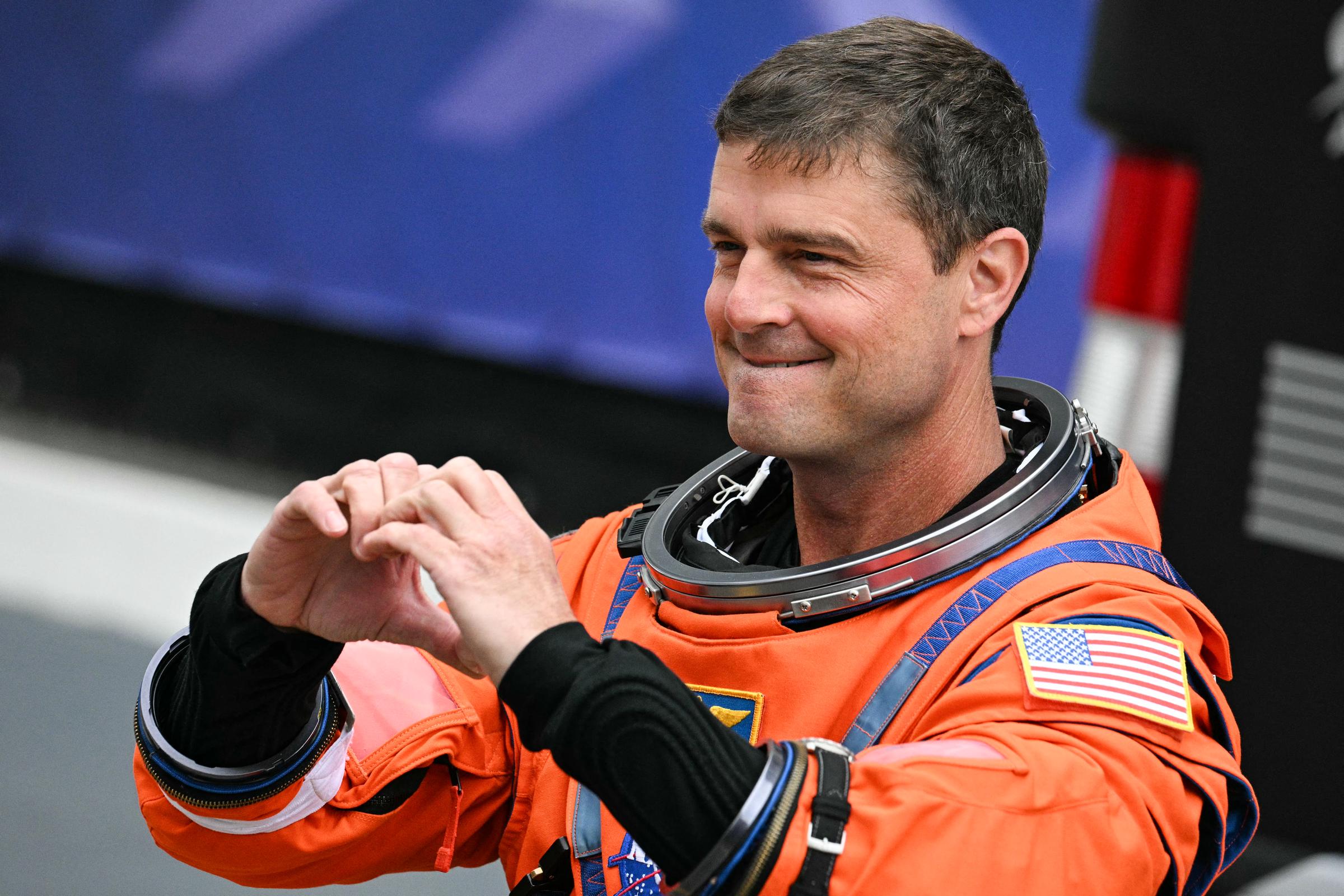
ASA astronaut Reid Wiseman, Artemis II commander, makes a heart sign as he walk out before traveling to the launch pad to board the Space Launch System (SLS) rocket for the Artemis II crewed lunar mission at Kennedy Space Center in Cape Canaveral, Florida, on April 1, 2026. | Source: Getty Images
He paused before adding a broader reflection that reframed the moment:
"I actually wish more people in everyday life talked to their families in that way because you never know what the next day is going to bring."
The exchange reflected practical preparation shaped by personal loss, informed by someone who understands how quickly life can change. Before the mission itself, however, there is a quieter story behind it all, one rooted in family life.
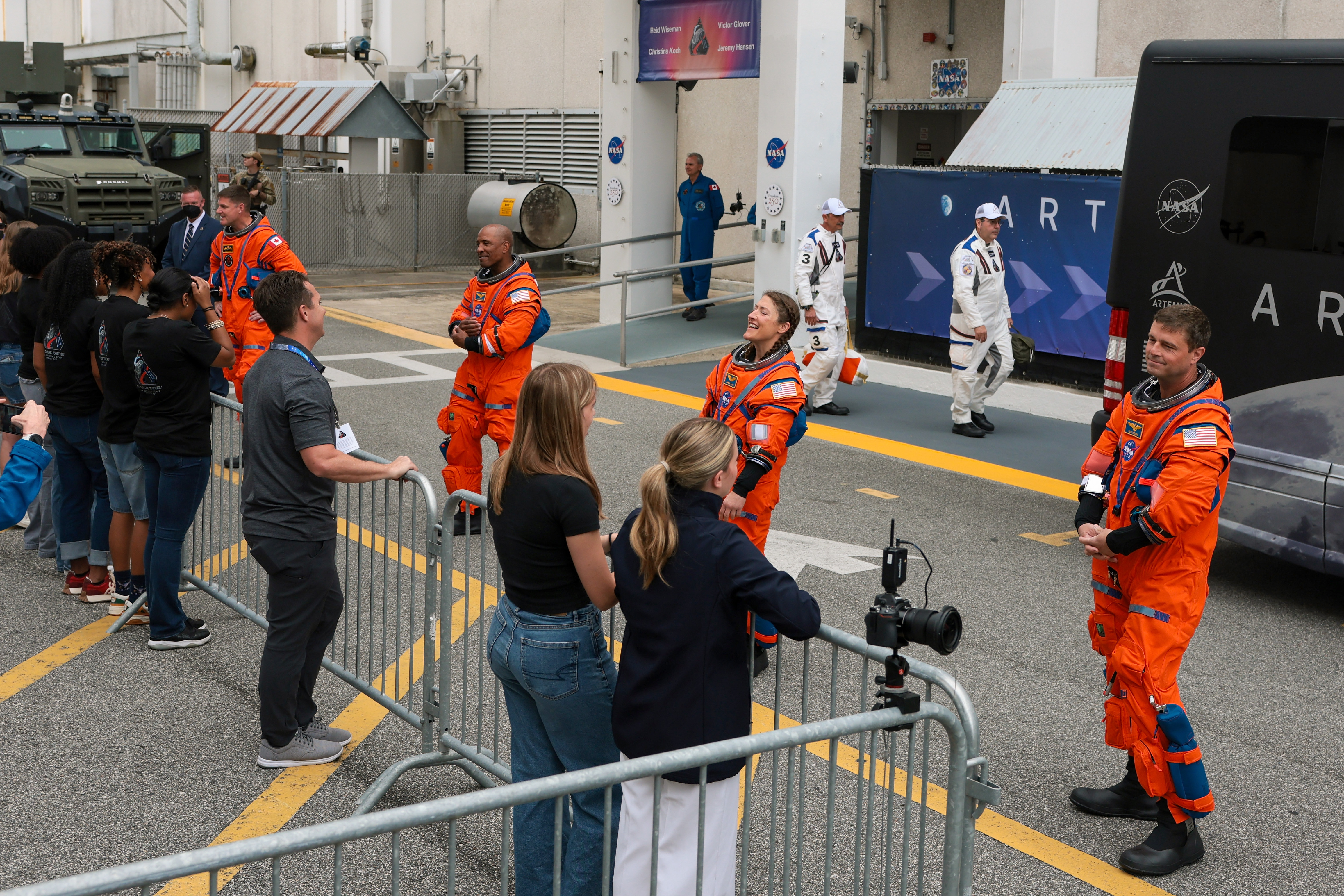
Mission specialist Jeremy Hansen of CSA, pilot Victor Glover, mission specialist Christina Koch and commander Reid Wiseman speak to their family members as they depart the Neil A. Armstrong Operations and Checkout Building on April 01, 2026 in Cape Canaveral, Florida | Source: Getty Images
When Artemis II launched on 1 April, Wiseman left behind the two people who matter most to him. Ellie and Katherine traveled to Florida to watch their father lift off, a moment that came after careful conversations and difficult decisions.
At first, his daughters had "zero interest" in his returning to space.
They still remembered his six-month mission aboard the International Space Station in 2014, including the moment he said goodbye.
"We talked about it, and I said, 'Look, of all the people on planet Earth right now, there are four people that are in a position to go fly around the moon. I cannot say no to that opportunity.'"
The next morning, their response was simple but meaningful: a batch of homemade moon cupcakes waiting on the kitchen counter.
Wiseman does not minimize what the mission asks of them. He has openly described it as "a selfish ask," acknowledging that the hardest part is not the technical risk, but "the stress that I'm putting on them." For the journey, he planned to carry letters from his daughters aboard the spacecraft.
Carroll Wiseman worked as a registered nurse in a newborn intensive care unit, dedicating her career to caring for vulnerable infants. When she died from cancer in 2020 at 46, she left behind a family navigating an entirely new reality.
Wiseman remained in Houston, Texas, where he is based at Johnson Space Center, despite considering a move closer to extended family. The decision reflected his late wife's wishes.
"When my wife started getting sick, I wanted to move towards family. But she said, 'No, this is where you work, and you love your job. And we should not give that up for this.'"
Her perspective shaped the path forward for all of them:
"Also, I want my kids to know that you can still achieve and go on and pick yourself up. I think when I said, 'This is something that I want to go do, it's important to me, and I think I can do a good job at this,' they were aligned very quickly."
He has described single parenting as both his greatest challenge and most meaningful role. Still, living in Houston means distance from the people who knew Carroll best, including family in Maryland.
He returns to Baltimore when he can, for Ravens games, school visits, and time with his father. Often, those visits are quiet, walking familiar trails from his childhood, now carrying new meaning.
Wiseman grew up in Cockeysville, Maryland, near the Loch Raven Reservoir. His early interests were far from space; he spent time chasing freight trains with his father and hiking with his brother.
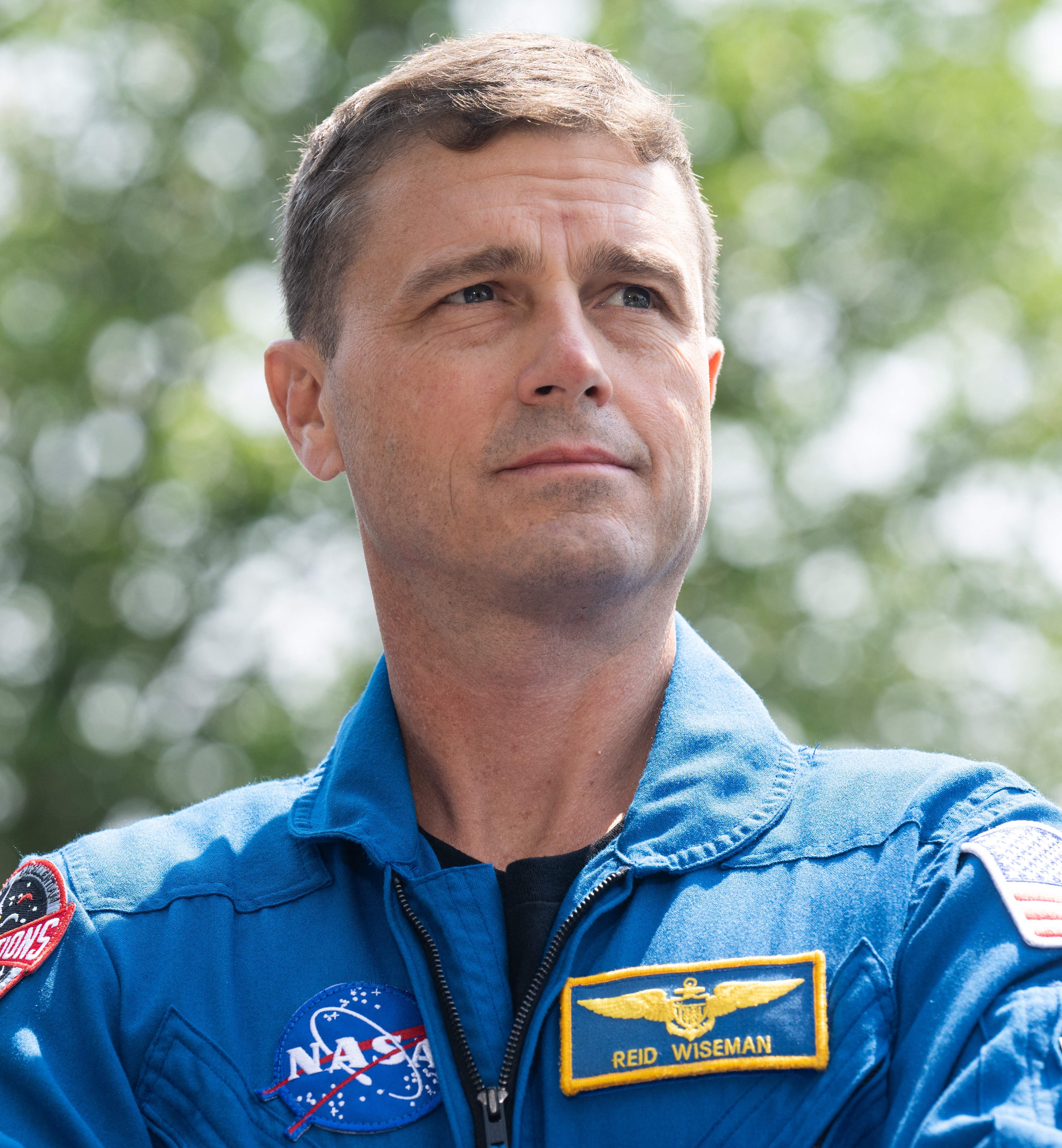
NASA astronaut Reid Wiseman, commander of the Artemis II mission around the moon, stands during a press conference outside the US Capitol in Washington, DC, May 18, 2023 | Source: Getty Images
Aviation entered his life later, sparked by A-10 aircraft flying overhead and shaped further by watching the 1986 Challenger incident as a student, an experience he described as "hugely formative."
He went on to graduate from Dulaney High School and Rensselaer Polytechnic Institute, later earning a master's degree in Systems Engineering from Johns Hopkins University. Commissioned through the Reserve Officers' Training Corps, he became a naval aviator in 1999.
Wiseman flew F-14 Tomcats, F-35s, and FA-18F Super Hornets during two deployments to the Middle East. It was during his second deployment at sea that he was selected for astronaut training.
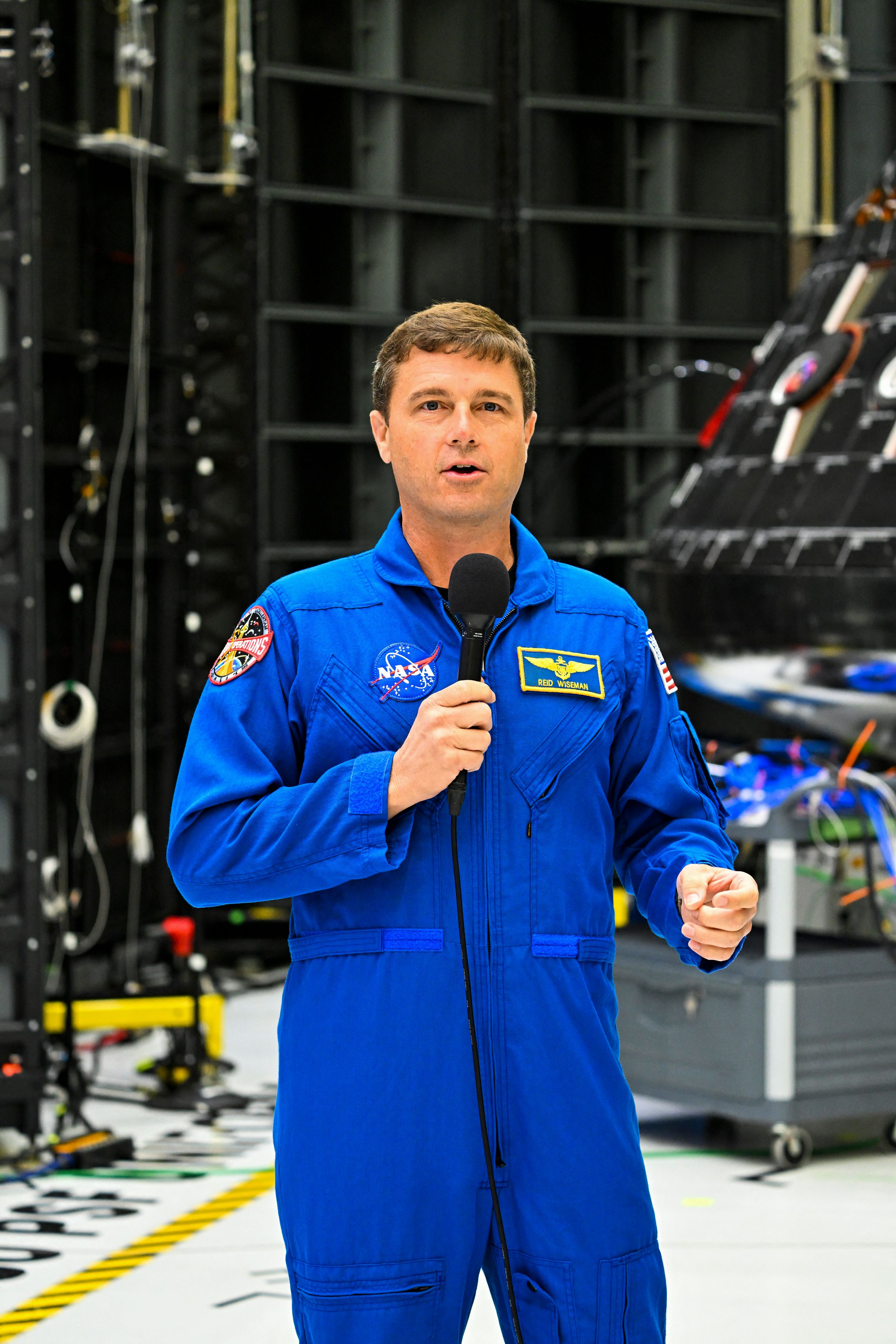
US astronaut Reid Wiseman, commander, speaks in front of the Artemis II crew module (rear) inside the Neil Armstrong Operations and Checkout Building at the Kennedy Space Center in Cape Canaveral, Florida, on August 8, 2023. | Source: Getty Images
His time as a naval test pilot solidified his path. He recalls the moment he first took control of an aircraft, comparing the experience to hearing a powerful performance at the Baltimore Symphony Orchestra, where the lead violinist plays with such emotion that it moves the audience to tears.
In the same way, he described it as a rare gift, saying he felt fortunate that he had ever been given the chance to take control of an aircraft:
"Somehow, somebody put an airplane in my hands."
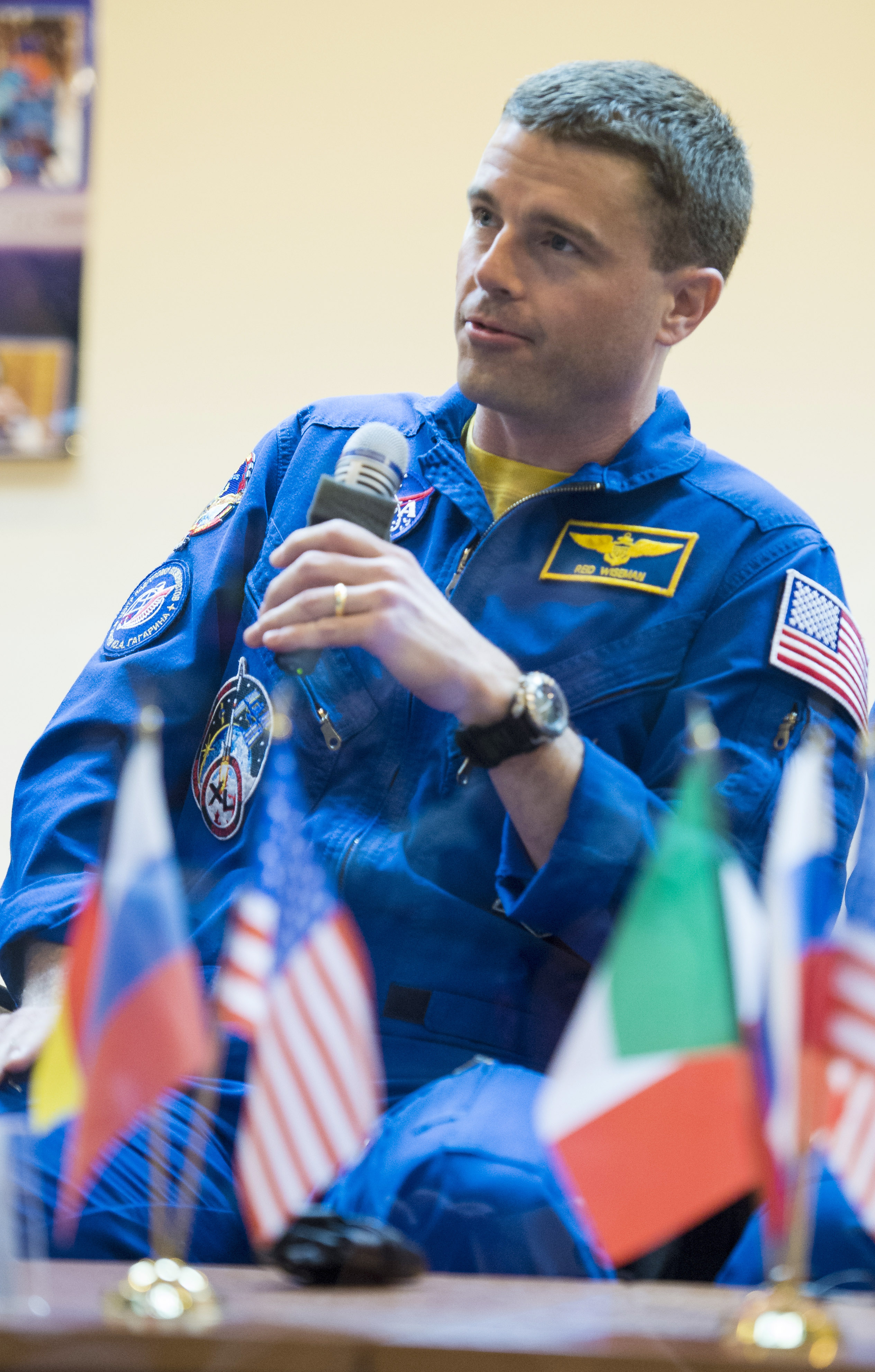
Expedition 40 Flight Engineer Reid Wiseman of NASA answers a question during a press conference at the Cosmonaut Hotel May 27, 2014 in Baikonur, Kazakhstan. | Source: Getty Images
NASA selected him in 2009. By 2014, he had spent 165 days aboard the International Space Station, completing over 300 experiments and nearly 13 hours of spacewalking. He later served as chief of the astronaut office from 2020 to 2022.
Despite his career achievements, his central identity remains being a father.
Artemis II marks NASA's first crewed mission to the moon in more than 50 years, following Apollo 17 in December 1972.
Wiseman leads a crew of four, NASA astronauts Victor Glover and Christina Koch, alongside Canadian Space Agency astronaut Jeremy Hansen.
The Orion capsule launched atop NASA's 32-storey Space Launch System rocket from Launch Pad 39B at Kennedy Space Center on 1 April at 6:35 p.m. EDT. The mission spans approximately 10 days, taking the crew around the moon before returning to Earth.
At its furthest point, the spacecraft will travel about 4,600 miles beyond the moon, exceeding Apollo 13's record for the greatest distance humans have traveled from Earth. From that vantage point, Earth would appear roughly the size of a golf ball.
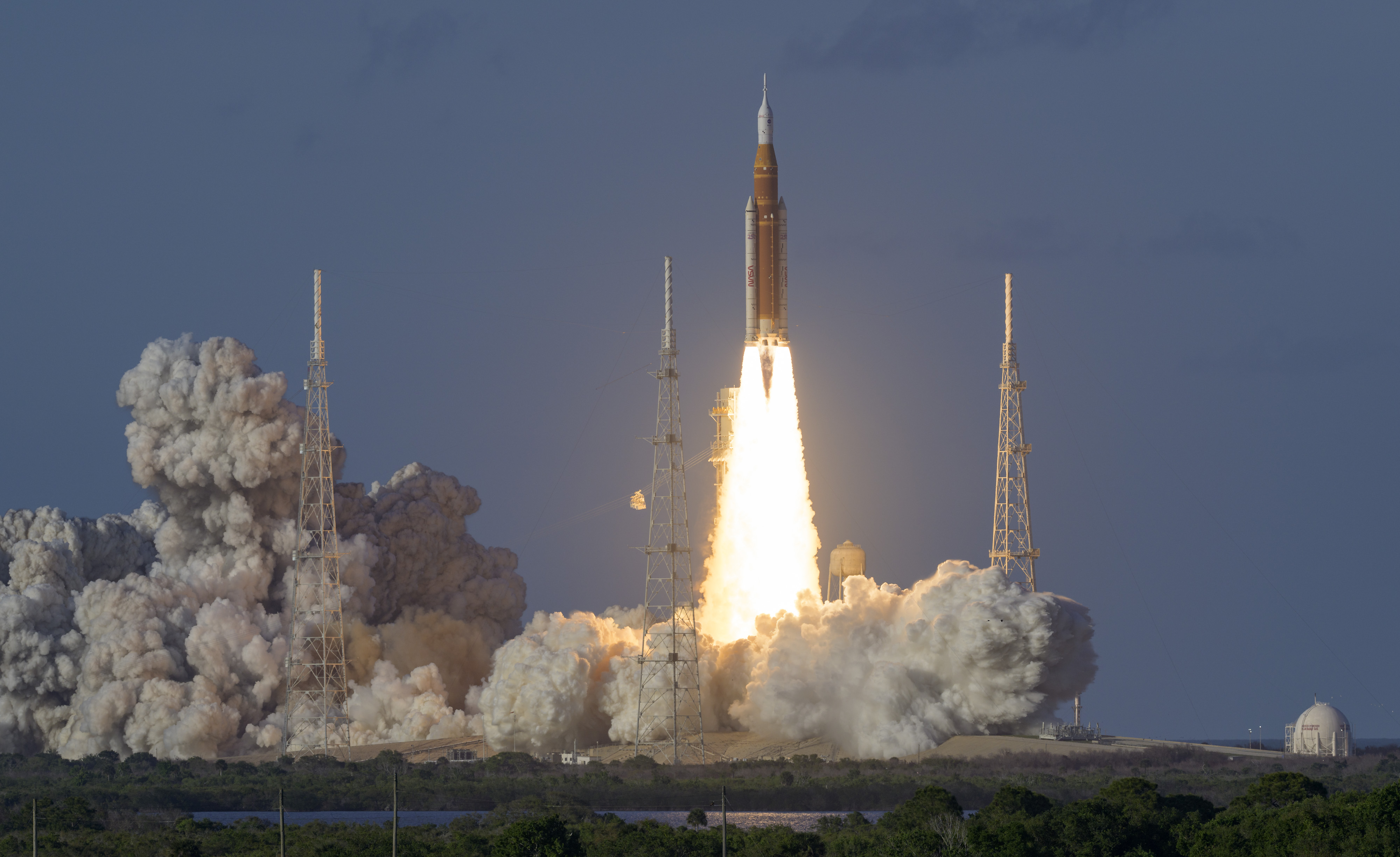
NASA's Artemis II mission, Wednesday, April 1, 2026, from Operations and Support Building II at NASA's Kennedy Space Center in Cape Canaveral, Florida | Source: Getty Images
Wiseman is candid about the risks involved.
He said what concerns him most is what he describes as humanity’s tendency to be overconfident, especially when attempting something as complex as launching a rocket powered by volatile fuel into space and sending people to the moon.
He further explained that the mission involves managing an enormous amount of energy, both during launch and reentry.
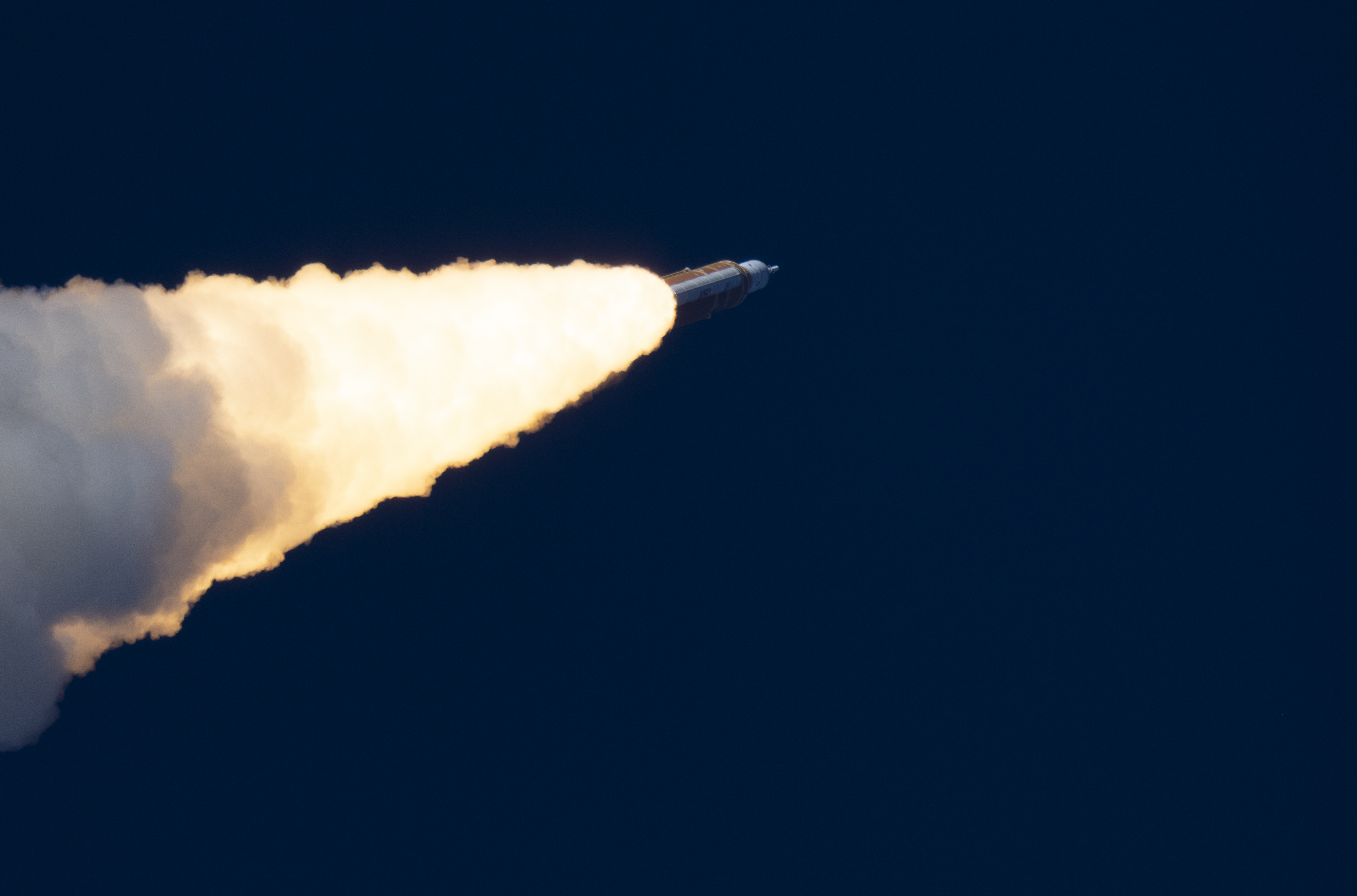
NASA's Artemis II mission, Wednesday, April 1, 2026, from Operations and Support Building II at NASA's Kennedy Space Center in Cape Canaveral, Florida | Source: Getty Images
On the return journey, the spacecraft will strike Earth’s atmosphere at roughly Mach 39, about 39 times the speed of sound, and must safely shed that energy before descending into the ocean using only parachutes. He emphasized that the margin for error in that process is extremely small.
He arrived at Kennedy Space Center on 27 March with his crew and addressed the moment directly:
"I think the nation and the world have been waiting a long time to do this again. On behalf of myself, Victor, Christina and Jeremy, we are really pumped to do this."
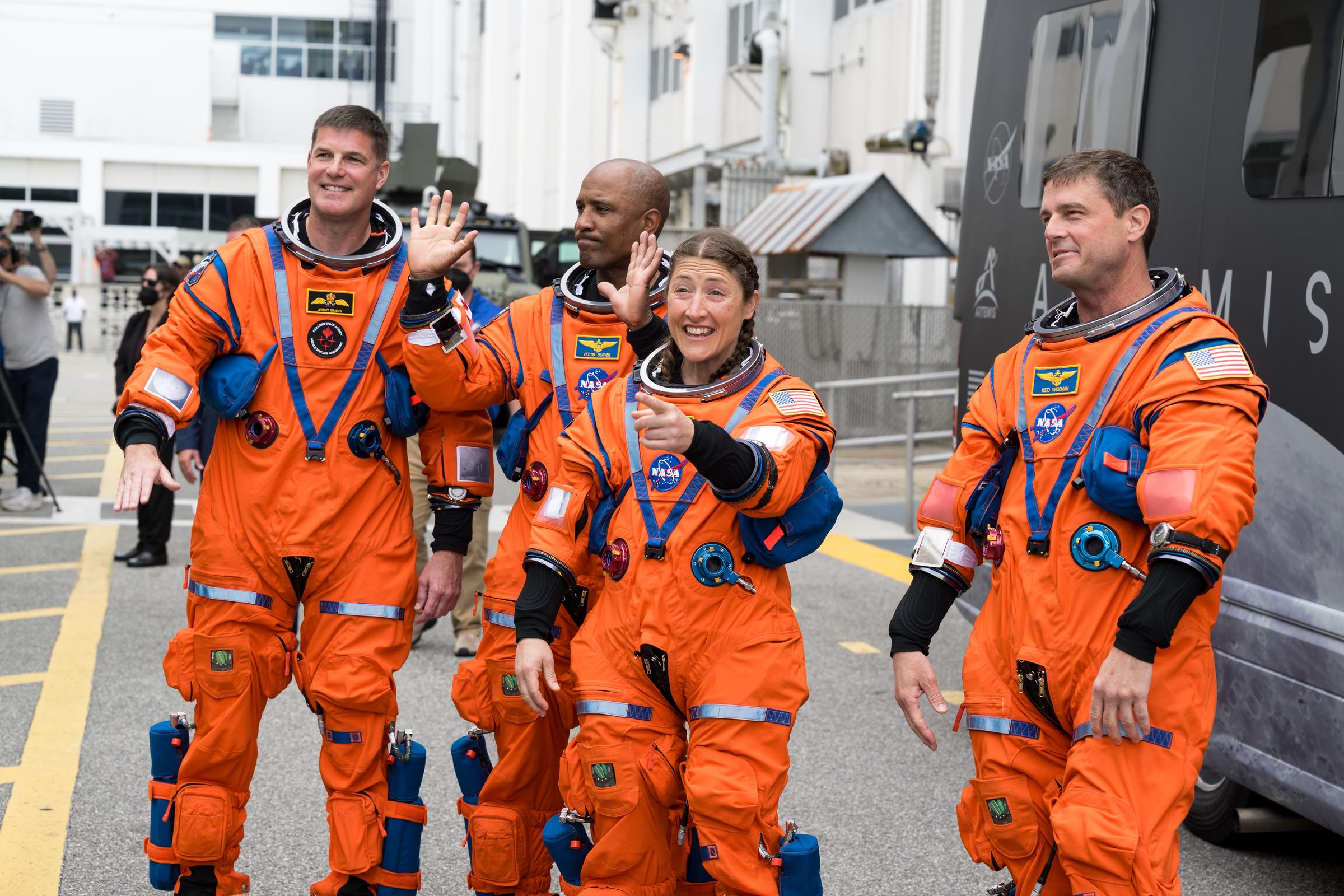
NASA astronauts Reid Wiseman, commander; Christina Koch and Jeremy Hansen, mission specialists; and Victor Glover, pilot, wave to family and friends before leaving the Neil A. Armstrong Operations and Checkout Building to board the Orion spacecraft. | Source: Getty Images
His daughters were there to watch. They understood the risks. They knew where everything was.
And they had baked the cupcakes anyway.