
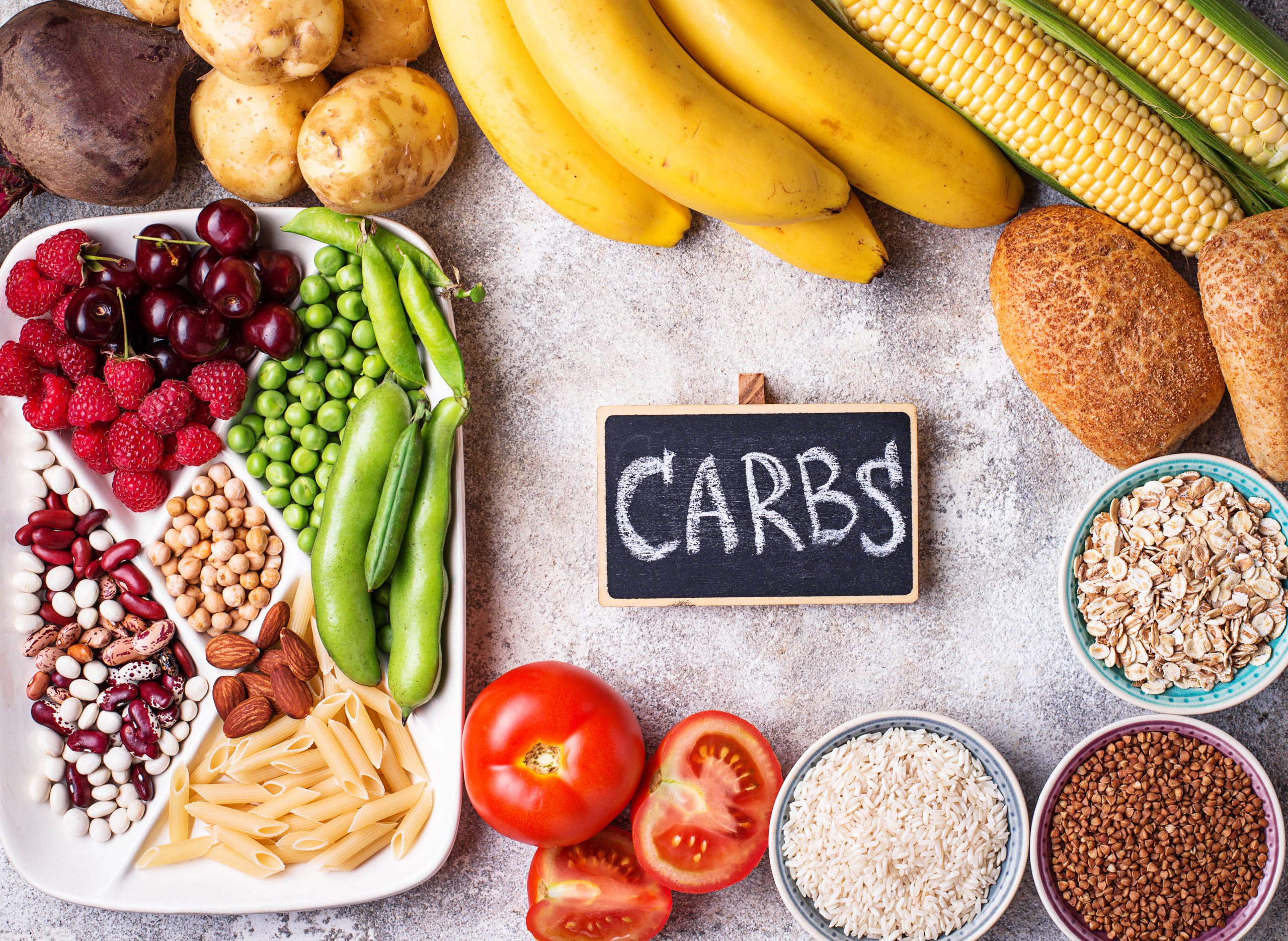
Here’s What Happens To Your Body When You Stop Eating Carbs For 30 Days

1. Strangely... your breath might get worse...
 Diets with no carbohydrates have been directly linked to bad breath. As the body produces ketones for energy in the absence of glycogen, these ketones are removed through urination and exhalation. The exhalation of these ketones can lead to bad smelling breath.
Advertisement
2. Great! Your risk of diabetes might decrease
 Carbohydrates are broken down into glucose, therefore cutting out carbohydrates will significantly reduce your chance of developing diabetes. Good alternatives to eat can be lean proteins, such as fish and chicken as well as removing sugary drinks.
Advertisement
3. Oh dear... Your Energy levels Could Drop
 As humans we need energy in order to perform everyday tasks, whether that's walking your dog or driving to work. Without carbohydrates we lack the fundamental energy source, making you less productive and sluggish throughout the day.
Advertisement
4. You'll spend more £££ on food

Advertisement
5. You might just get a worse night's sleep
 When your body is hungry it can't relax, so when it comes to settling down for bed you may take longer to sleep or even be unable to sleep. Researchers have also proven carbohydrates are responsible for 2 brain chemicals, tryptophan and serotonin, which are involved in sleep.
Advertisement
6. You may struggle on the toilet
 If you thought removing carbohydrates would reduce your time on the toilet then you would be mistaken. No-carb restrictive diets can be very low on fibre. Fibre is important for digestion since it helps maintain bowl regularity. Removing carbohydrates from your diet can therefore lead to constipation and digestive discomfort .
Advertisement
7. Believe it or not! You may lack some vitamins/minerals
 When removing carbohydrates from your diet, you may lack in vitamins and minerals. Potassium, B vitamins and vitamin C are just 3 examples. It is important that you maintain a healthy balance and have a variety of foods to ensure you don't go deficient in any vitamin/mineral, which potentially could lead to health complications.
Advertisement
8. Your cravings will slowly start to take over EVERYTHING!
 By completely restricting carbohydrates from your diet, your body will instantly begin to crave what it is missing. This ultra-restrictive diet is not only unsustainable but can lead to eating disorders and an unhealthy relationship with food. Many people could not cope and would begin to mentally deteriorate.
Advertisement
9. You may improve heart health

Advertisement
10. Your diet will be boring
 Completely removing carbohydrates from your diet will drastically limit your options when it comes to eating. The foods your body craves and enjoys, such as crisps or cookies are no longer on your menu. You will become restricted to bland, unappetising foods which you just won't want to eat.
Advertisement
11. Your teeth will be healthier
 Eating a lot of simple carbohydrates can be very damaging for your teeth. When sugar reacts with plaque on your teeth it forms acid. This will slowly break down the enamel which causes your teeth to rot, leading to fillings or even having your teeth removed.
Advertisement
12. You'll eat carbohydrates without knowing

Advertisement
13. You'll suffer at your workouts
 Carbohydrates when eaten are broken down into glucose. Your muscles need glucose when performing strenuous activities in order to keep themselves fuelled up. By removing carbohydrates completely from your diet, your body has lost its quickest form of gaining energy, leading to a serious drop in physical performance.
Advertisement
14. Your body enters a state of ketosis
 Ketosis is a process that happens when your body doesn't have enough carbohydrates to burn for energy. Instead your body burns fat and makes things called ketones which we can then use instead for energy. You may have heard of ketosis before if you have looked up on different methods of losing weight
Advertisement
15. You Could Begin To Lose Weight

Advertisement
16. You can start to get headaches
 Headaches are pretty common and most people will just put them down to stress or tiredness, however removing carbohydrates from your diet could also be causing them. If you're use to eating lots of sugar, the main withdrawal symptom would be constant headaches. Studies suggest severity of headaches increases with lack of carbohydrates.
Advertisement
17. Your muscles will start to cramp
 When you remove carbohydrates from your diet, your body could be deficient in potassium and magnesium which can lead to muscle cramps. Potassium, magnesium and sodium are responsible for muscles contraction and other processes vital to muscle and nerve function.
Advertisement
18. Removing carbs from your diet isn't safe for everyone
 For some people, completely removing carbohydrates from their diet would be dangerous. If you're on any blood sugar or blood pressure moderating medication you should not go on a no-carb diet unless you speak to your health practitioner. Those already suffering from diabetes would be under risk too.
Advertisement
19. Your appetite will be reduced
 Studies consistently suggest that people who remove all carbohydrates from their diet will reduce their appetites. By eating more proteins and fats they change their metabolism to cope with eating less foods, whereas when eating carbohydrates your body tends to need more food to function.
Advertisement
20. Your memory will become less sharp
 Just like your body, your brain also requires energy from carbohydrates to function. A study from Tufts University on over weight women proved that feeding them a no-carb diet worsened their working memory and visuospatial memory compared to their counterparts.
Advertisement
21. Your belly fat can reduce
 Limited research has begin to suggest that diets with no carbohydrates are better than low calorie diets when it comes to burning belly fat. Belly fat is some of the most stubborn fat to remove and can't always be removed by just exercising or eating in a calorie deficit.
Advertisement
22. You'll eat less processed foods
 By removing all carbohydrates from your diet, you also removing the vast majority of all the processed foods in your diet. Processed foods are typically loaded with sugar and refined carbohydrates which are directly linked to diabetes and other diseases. You'll also be increasing the number of whole foods you are eating.
Advertisement
23. You'll experience mood swings
 Just when you thought there was enough negatives to removing carbohydrates from your diet. If you remove all carbohydrates form your diet, your body may not be producing enough serotonin which is the bodies 'feel good' hormone. You will begin to have noticeable changes in your mood and overall mental health.
Advertisement
24. You may develop clearer skin
 Is your skin covered by pimples? If so removing carbohydrates from your diet may benefit your skin. Sugar and empty carbohydrates have been linked to worsening your skin and promoting acne. A high sugar diet can trigger hormones that produce oils which clog your pores, as well as causing inflammation on the skin.
Advertisement
25. You will have to drink lots of water
 You could well find yourself drinking a lot more water than usual once you remove all carbohydrates from your diet. Carbohydrates retain water when in your body so removing them will also cause you to reduce water retention, making you need to drink more water then previously required.
Advertisement
26. Your liver could worsen
 When you remove all carbohydrates from your diet, your fat intake will increase in order to fuel your body. Having too much fat to digest can put stress on your liver, and if you have any underlying health issues you may be in a spot of bother.
Advertisement
27. You'll discover healthy alternatives for carbohydrates
 With the number of food alternatives increasing all the time, your options for zero-carbohydrate foods will adequate over the short term. Replacing rice for cauliflower rice or bread for soy bread are some of the few options you can include for some variety in your diet.
Advertisement
28. You may not want to reintroduce carbohydrates again
 As we know, each person has different preferences. Some might not be able to go without carbohydrates, some on the other hand may prefer it and find it works for them. If you cut out all carbohydrates for weight loss reasons and you lost weight, you may want to continue with no carbohydrates.
Advertisement
29. You will have to be more creative making meals
 As humans we need around 45% to 65% of our energy from carbohydrates. When you decide to remove them from your diet it fills a void that must be replenished from something. You may find yourself planning your meals more carefully now and experimented with different cooking options in order to keep yourself entertained.
Advertisement
30. You'll realise its not a very good idea
 Reading through the many negatives in the list, you will probably have come to the conclusion that completely removing carbohydrates from your diet is not only very unsustainable, but comes with a number of health complications that outweigh the benefits. Although there are some short term health benefits, the long term effects are still not well known.
Advertisement
31. You'll Drop The Water Weight
 Carbohydrates make us retain water in our body - which is not a bad thing it keep the body hydrated. But, when you ditch the carbs you will drop this water weight. So you may notice yourself instantly losing the pounds. As soon as you start eating carbs again this water comes back.
Advertisement
32. You May Feel Dizzy
 There are some nasty side effects to dropping out the carbohydrates completely. One of these is that you may feel dizzy. Your body functions best with some carbs so adjusting will take a while. The sensation should be temporary and not last too long however.
Advertisement
33. You May Feel Fatigued
 It's common knowledge that carbohydrates give us energy. So, it makes sense that if we cut these out of our system we will feel fatigued. Your body will learn to use other energy stores. So, this feeling of fatigue may be temporary or it could stay.
Advertisement
34. You May Initially Bloat
 This is a side effect that many people don't factor in because they usually think you will instantly get slimmer. But this is not the case. Your body will be eating more of other foods which contain more gas that carbohydrates so you may look a little bloated for a while.
Advertisement
35. You Will Consume More Fat
 If you are not consuming carbohydrates you have to eat other things. Which naturally, have more fat in them. You may be eating healthy so this could improve your good fats but naturally its most likely you will be having more bad fats too. And, saturated fat intake should be no more than 5% to 6% of your daily consumption.
Advertisement
36. You May Experience Mood Swings
 Our moods may also be affected when we stop having any carbohydrates. It can make you feel more up and down and your body may not stabilise your mood as effectively. This is a problem which can e temporary but it can also last the entire no carb period.
Advertisement
37. Kidney Problems Can Worsen
 If you already have kidney problems then cutting out the carbs from your diet is definitely not a good idea because doing so can make them worse. It is not good for our kidneys in general and so anybody with problems already should take this into consideration.
Advertisement
38. It Could Make Anxiety Worse
 It has been shown that people with low-carb diets over time had less serotonin (the molecule of happiness) in their brains than those who were on low-fat diets. Healthy serotonin levels help fight against anxiety and depression. So cutting them out won't give you that boost anymore.
Advertisement
39. It Can Dehydrate You
 Carbohydrates store water in our bodies and so when these are removed a lot of our water retention goes. It can lead the body dehydrated so you have to be careful to drink extra water and stay properly hydrated if you are considering no carbs or the keto diet.
Advertisement
40. You May Look More Toned
 When you cut out the carbohydrates from your body you will find that you do drop some fat or you are left looking a little bit more toned. This is one of the only motivations for people cut carbs due to the host of problematic side effects when you do.
Advertisement
41. You could develop diverticulitis
 Diverticulitis is a condition where the small pouches in your large intestine get inflamed and infected. This usually only happens when you not only cut out the carbs from your diet but when you have an increase in protein. It can leave blood as a sign too.
Advertisement
42. It Might Reduce Your Hormone Production
 Cutting carbs may reduce your hormone productions. Hormones are essential for pretty much everything that goes on in our bodies. They control the functions of everything including your mood. So this is an issue you have to take into consideration.
Advertisement
43. It Could Lower Your Sex Drive
 This is something that is a continuation from the previous point - it's to do with hormones. The decrease in hormone production can lead to a lower sex drive. For example in men, your production to testosterone may dwindle, leaving you with less of a sex drive than before.
Advertisement
44. Your Immune System Will Weaken
 Carbs in our diet help with our gut, our hormones...and a whole host of essential functions for our body. So when we aren't fuelling our body with any carbs of course your immune system may weaken and you may find yourself more prone to catching viruses.
Advertisement
45. You May Lose Hair
 Now this is a side effect that nobody expects. But, it has actually become quite a common thing that when someone stops eating carbs and starts doing the keto diet they may notice their hair start thinning or even losing weight. This can be reversed.
Advertisement
46. You May Be Nauseous
 For a while when you cut out carbs you may find yourself feeling nauseous and a little bit sickly. After all, carbohydrates are a normal and good part of a natural and balanced diet. The body needs them to function properly. So while you adjust, this is a side effect.
Advertisement
47. Skin May Worsen
 When you cut out carbohydrates, you interfere with the bacterias in your gut which are completely necessary for our digestion. But, when you drop carbs from your diet it can mess up these bacteria and poor gut health is directly linked to skin problems.
Advertisement
48. Nails Can Get Weaker
 In a similar vain, your nails may get weaker you may find that they are snapping more easily and they may feel brittle. This is again is all to do with our gut bacterias. Which, are responsible for keeping our nail health good too as well as helping us digest our food.
Advertisement
49. It Can Help Those With Epilepsy
 People have been using the keto diet now for around 100 years, as a way to treat or lessen the symptoms of their epilepsy. It can especially be useful in children who don’t respond well to their epilepsy medication. Another option is cutting out carbs from the diet.
Advertisement
50. You Might Get 'Brain Fog'
 Brain fog is a temporary state once you cut out carbs. You may feel like you cannot think properly so do not be alarmed this is directly linked to you removing the carbs from your diet. This is just another way your body tells you that cutting out all carbs is not natural.
Advertisement
51. You Can Get The Shakes
 One downside to cutting out carbs is that you could end up feeling shaky from time to time. This is because carbohydrates are a primary energy source, and sudden reduction can lead to low blood sugar levels, causing those shaky sensations (especially in your hands). If you’re worried about this, be sure to speak to your doctor.
Advertisement
52. You'll Ditch The Belly Fat
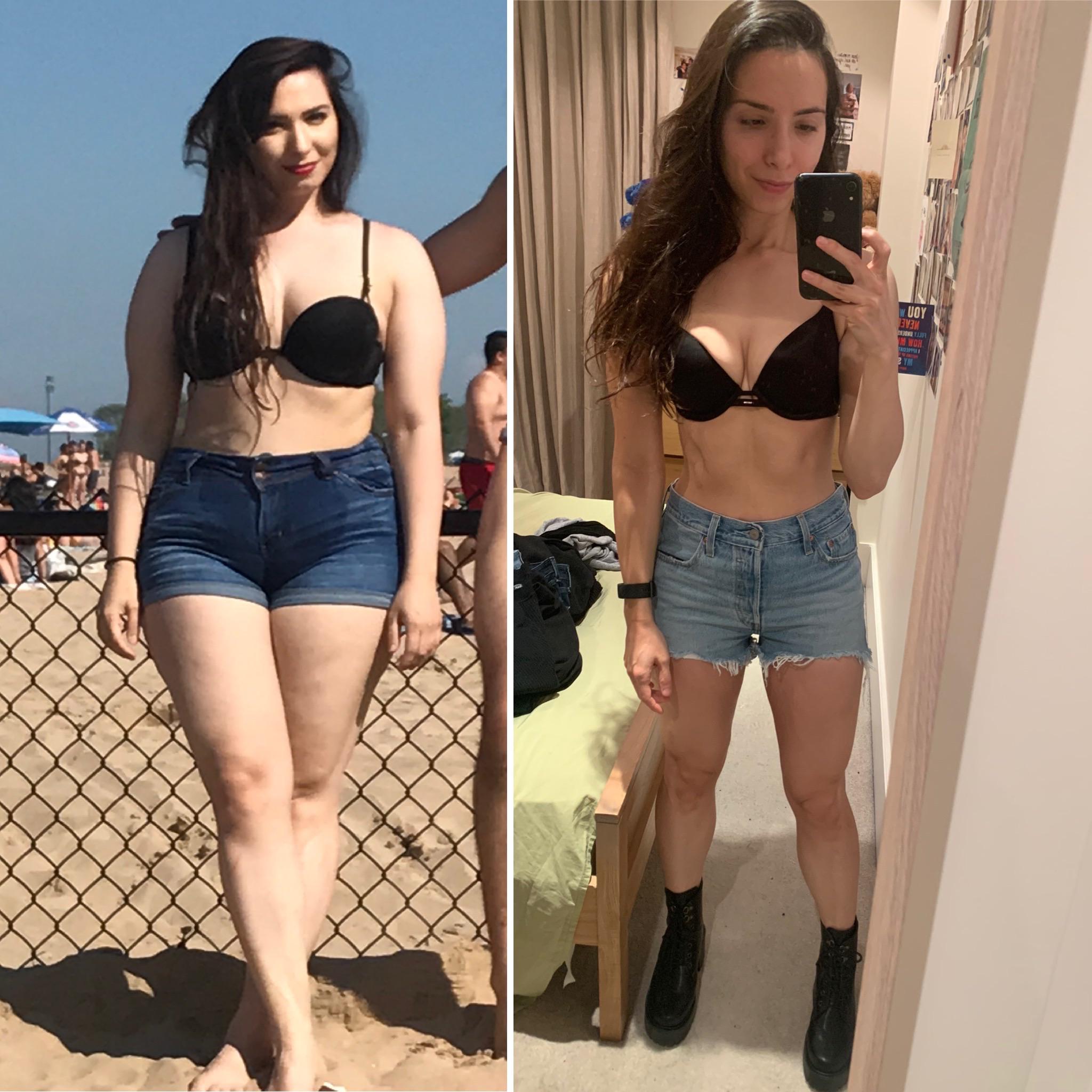 When you say goodbye to those carbs and embrace high-fiber foods, you can look forward to losing that stubborn belly fat. This is because the unhealthy microbes in our gut don’t have as much sugar to feast on, which effectively reduces bloating. Bumping up your fiber intake helps this process.
Advertisement
53. You're Less Likely To Dive Into The Snack Drawer
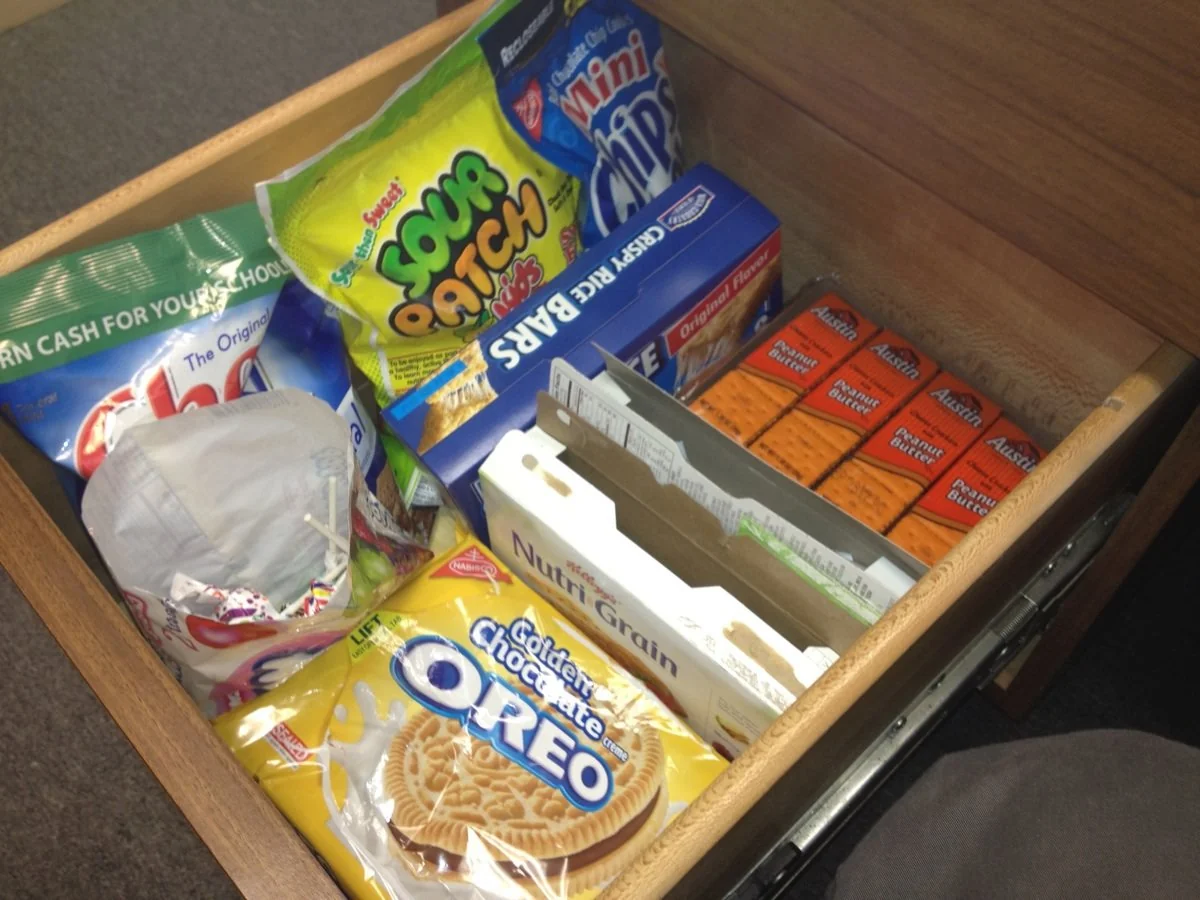 Fast, cheap calories that come from carbs don’t satisfy us. In fact, they make us a whole lot hungrier! Reducing your carb intake can be tough at first, but your body will eventually adapt. Lower carb consumption often stabilizes blood sugar levels, preventing rapid spikes and crashes that trigger hunger.
Advertisement
54. Your Muscles Will Eventually Get Stronger
 Okay, so you can definitely struggle with exercise when you drop carbs. But the trick is to replace them with protein and other nutrients, as this will help fuel those workouts and strengthen your muscles. This is because protein is like a building block for muscle (and a key for healthy skin, hair and nails.)
Advertisement
55. You Can Get Irritable
Advertisement
56. You Might Feel Sick And Empty

Advertisement
57. Brace Yourself For 'The No-Carb Flu'
Advertisement
58. Confusion

Advertisement
59. Stomach Pain
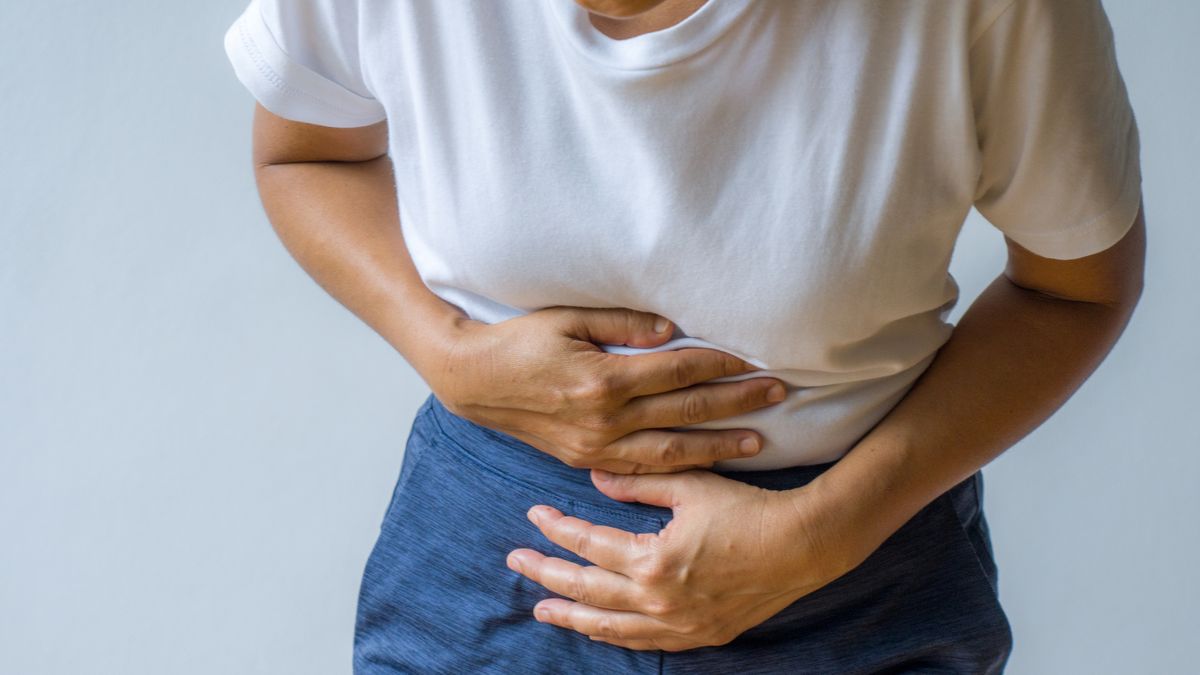 Stomach pain after cutting out carbs can happen for a few reasons. Sudden dietary changes can affect your digestion, which can lead to a whole lot of discomfort. Throw in some potential constipation from lack of fiber, and it’s no wonder your stomach hurts! It’s also important to think about the high-fat items you’re consuming, as this can make the problem worse.
Advertisement
60. Hypoglycemia Becomes A Risk
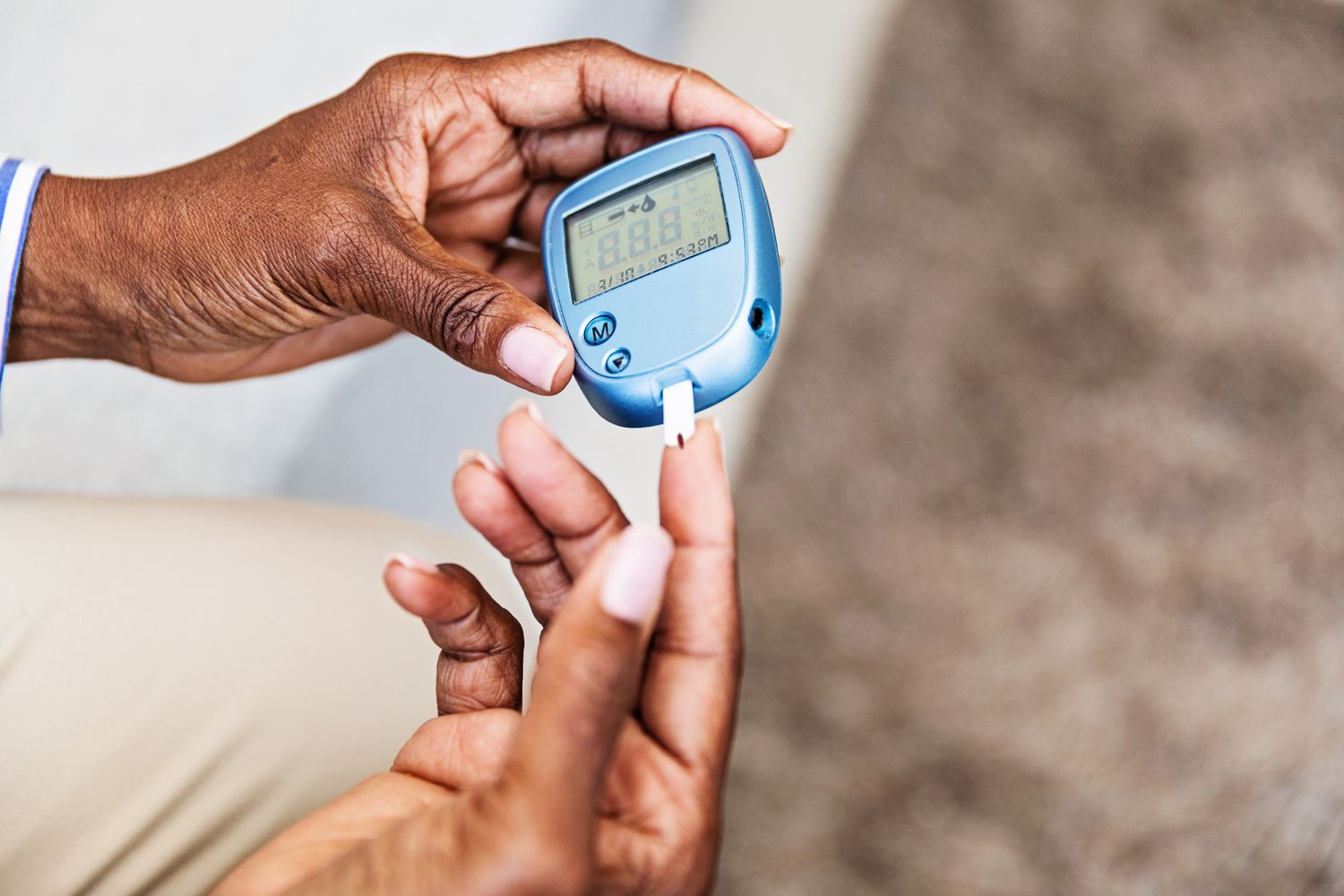 If you suddenly cut out carbohydrates from your diet, you might end up with hypoglycemia, as carbohydrates are the primary source of glucose (your body's main energy fuel). Without a regular supply of glucose, blood sugar levels can drop, causing hypoglycemia symptoms such as weakness, dizziness, and even confusion in some cases.
Advertisement
61. Lack Of Concentration
 Did you know that a lack of carbohydrates can actually affect your concentration? This is because carbs are a primary energy source for the brain. Without an adequate supply, you may end up experiencing difficulty focusing and mental fatigue. This is why it’s really important to eat foods that support your cognitive function like fruits and whole grains.
Advertisement
62. Vomiting
 Speaking of drastic symptoms – while reducing carbs alone won’t cause vomiting, extreme dietary changes in a small space of time can seriously upset your body. Vomiting can happen when you have inadequate levels of nutrients, or be the end result if you’re frequently experiencing nausea in your new no-carb diet.
Advertisement
63. It's Mentally Taxing

Advertisement
64. Your Saturated Fat Intake Could Go Up Dramatically
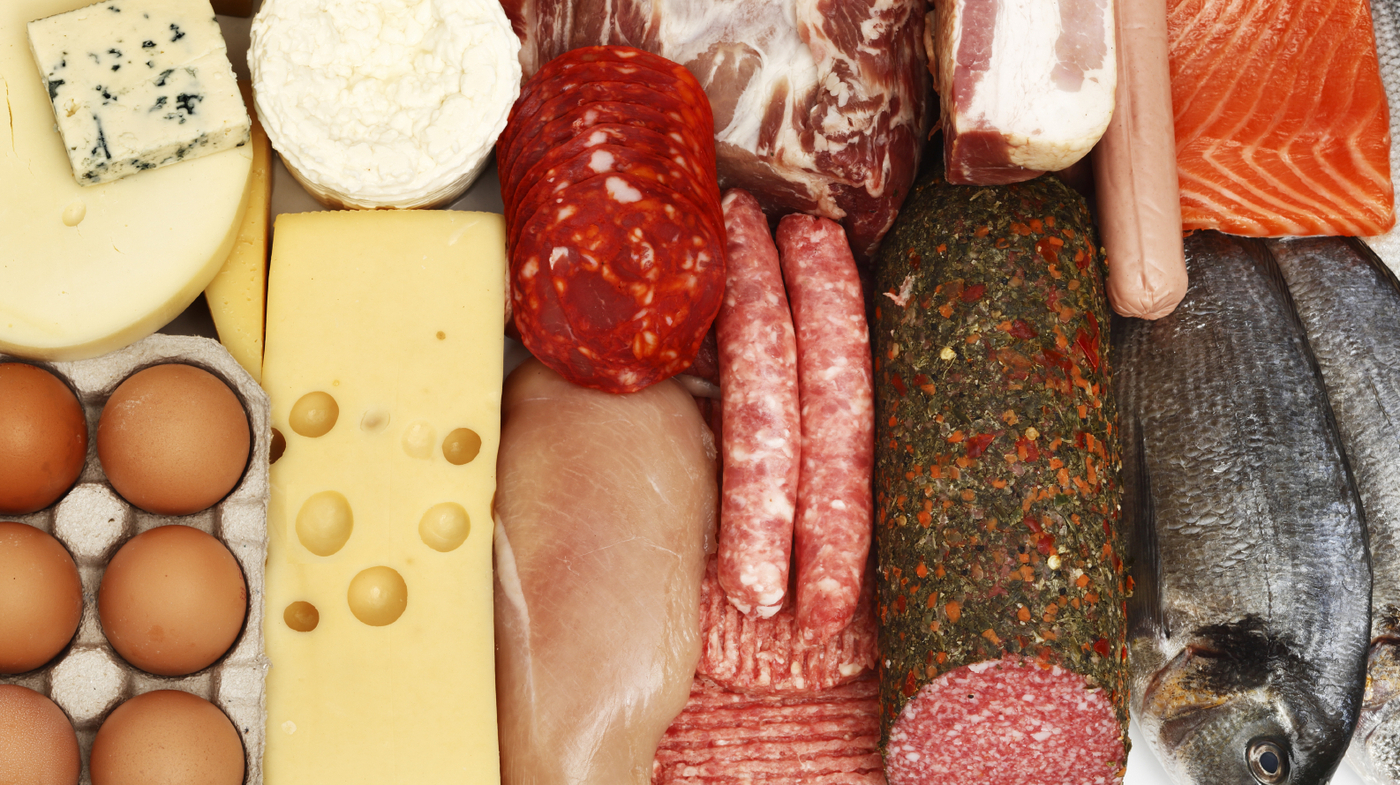 This might sound harsh, but just because you’re cutting out carbs doesn’t mean you’re healthy. To get pleasure and satisfaction from food, some people start consuming way more saturated fats than they used to, like meat, cheese, and cream. These foods can gradually increase the non-HDL (bad) cholesterol in your blood.
Advertisement
65. And This Can Take Its Toll On Your Heart

Advertisement
66. You Might Be Difficult To Cook For
 With all these dietary requirements, you’re not exactly going to be the most sought-after dinner guest! You might find that people struggle to come up with meals and recipes that suit you, or they might insist on you having ‘just one bite’ of your favorite pizza. Remember not to be peer pressured into eating something you don’t want.
Advertisement
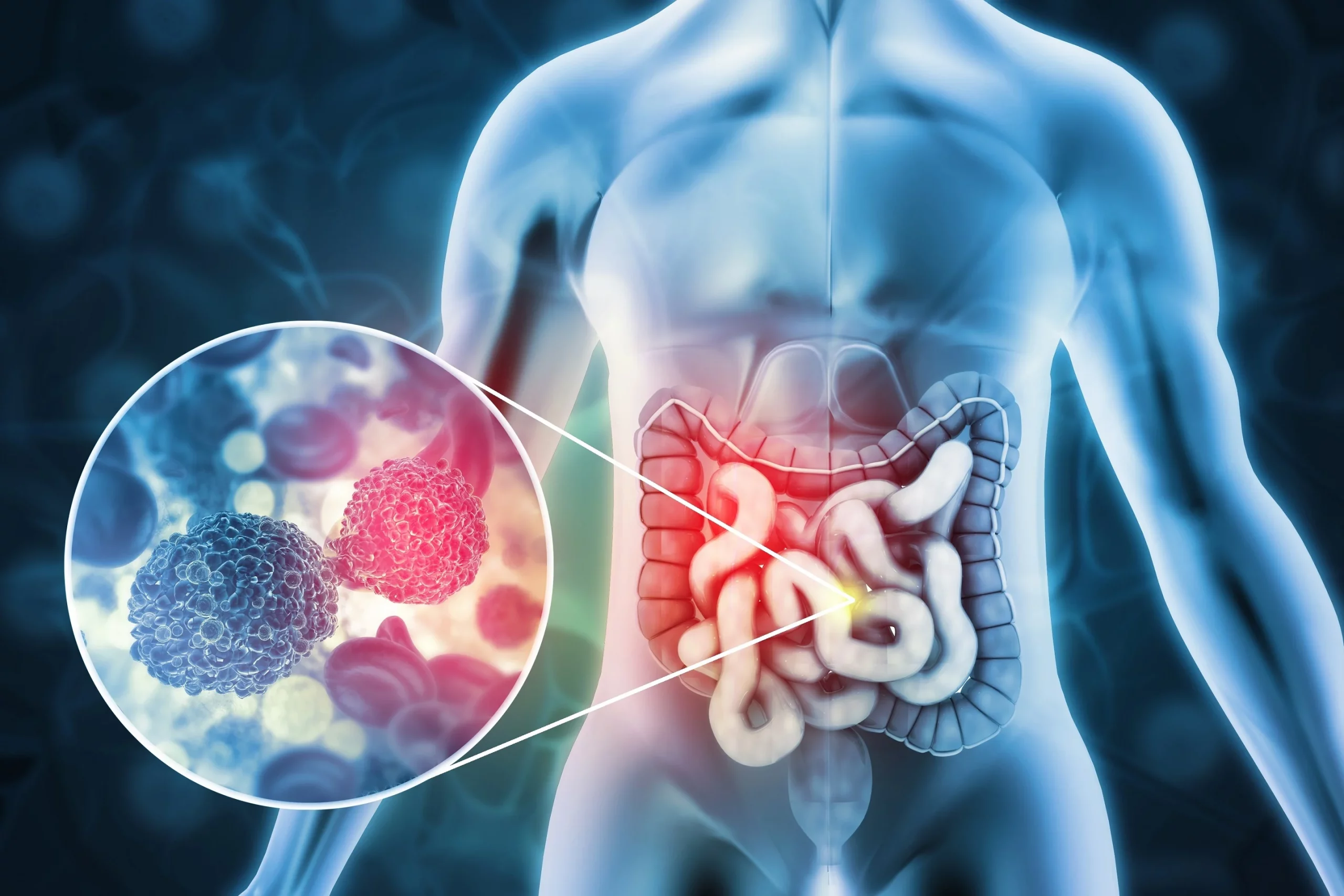
67. Increased Risk Of Colon Cancer
Advertisement
68. Less Opportunities To Eat Socially

Advertisement
69. It's Hard To Maintain

Advertisement
70. Which Means You Could Fall Off The Wagon... Badly
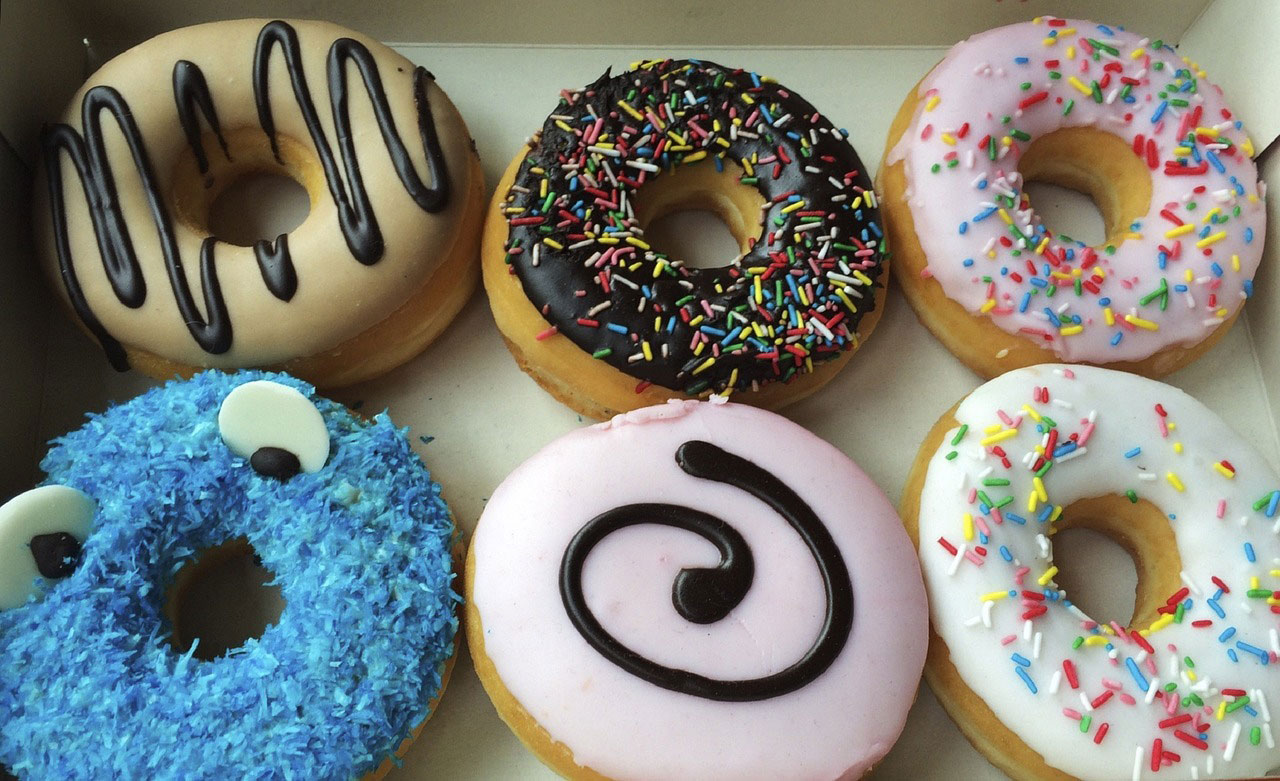 If you’ve ever been on a diet before, you’ll know that it’s all too easy to fall off the wagon. Because the more you deprive yourself of something, the more you’ll inevitably crave it! Our bodies love carbohydrates because they’re an energy source, and they’re also very hard to avoid. Throw in social pressures and limited food options, and you’ve got your work cut out.
Advertisement
71. You'll Crave Those Carbs When You Dine Out
 Nothing will put your willpower to the test quite like going to a nice restaurant. With so many carb-rich options on menus these days, it’s a definite challenge to avoid foods like bread, pasta, and desserts. Factor in the pressure from your loved ones to treat yourself, and it becomes tough to adhere to that no-carb diet.
Advertisement
72. Your Body Will Look For A Different Source Of Fuel
 When you ditch carbs, your body will look for an alternative fuel source, so it’ll start breaking down stored fat instead. While your body will tend to use glucose from carbs, it undergoes a bit of a metabolic shift when you cut them out, so go steady. It’s a good short-term weight loss trick, but it can take its toll on you mentally and physically.
Advertisement
73. You'll Inevitably Gain Weight When You Start Eating Them Again

Advertisement
74. You Might Be Really Unhappy

Advertisement
75. You'll Might Need to Buy New Clothes For Your New Body Shape
 When you shift the weight, your body size and shape change, so your old clothes might become loose or ill-fitting. Buying some shiny new clothes that match your current size not only provides a better fit, but can also boost your confidence (and reflects your commitment to a healthier lifestyle!).
Advertisement
76. You'll Be Impressed By Your Willpower

Advertisement
77. You Might End Up Taking A Lot More Trips To The Bathroom

Advertisement
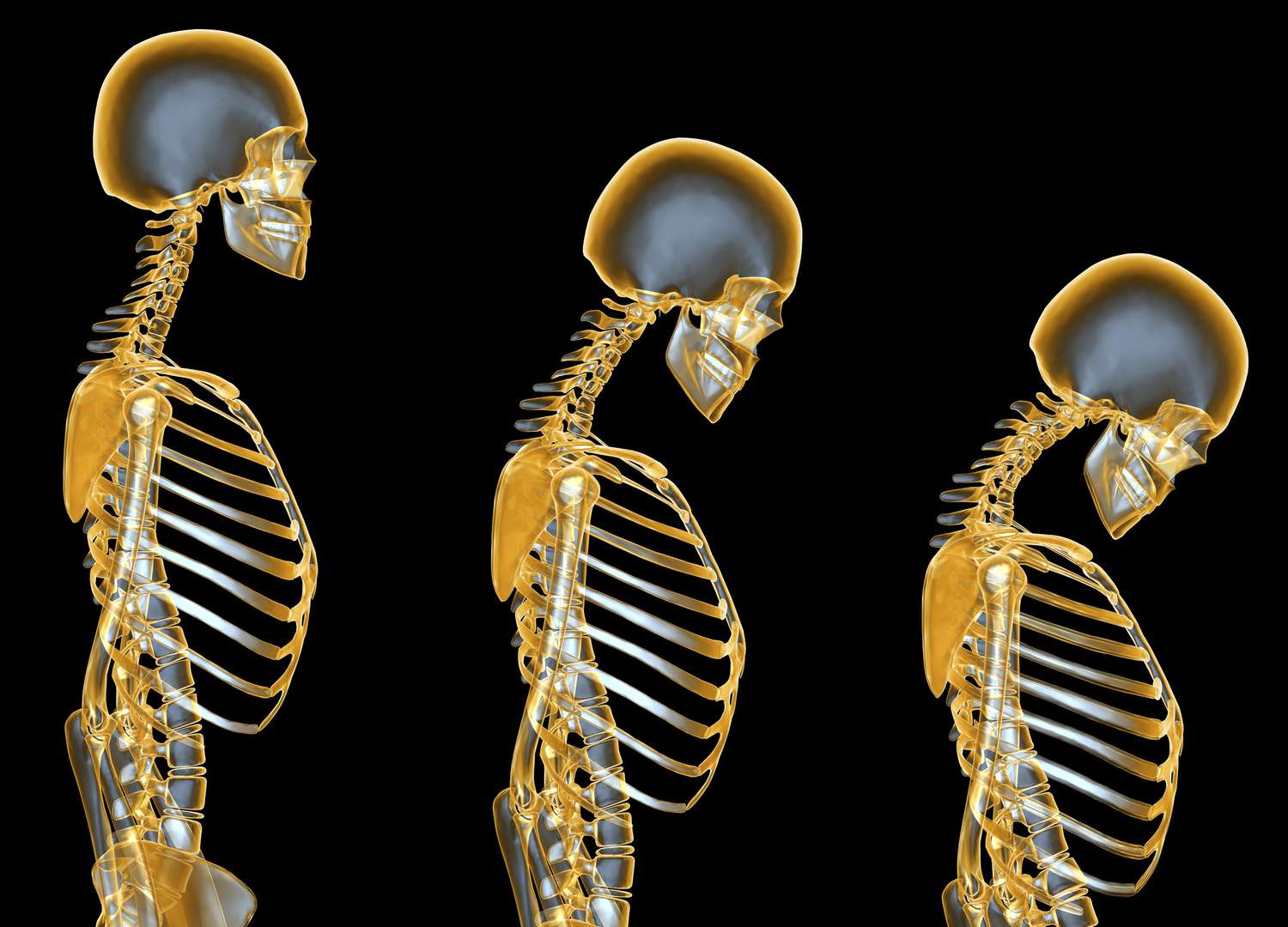
78. Osteoporosis
Advertisement
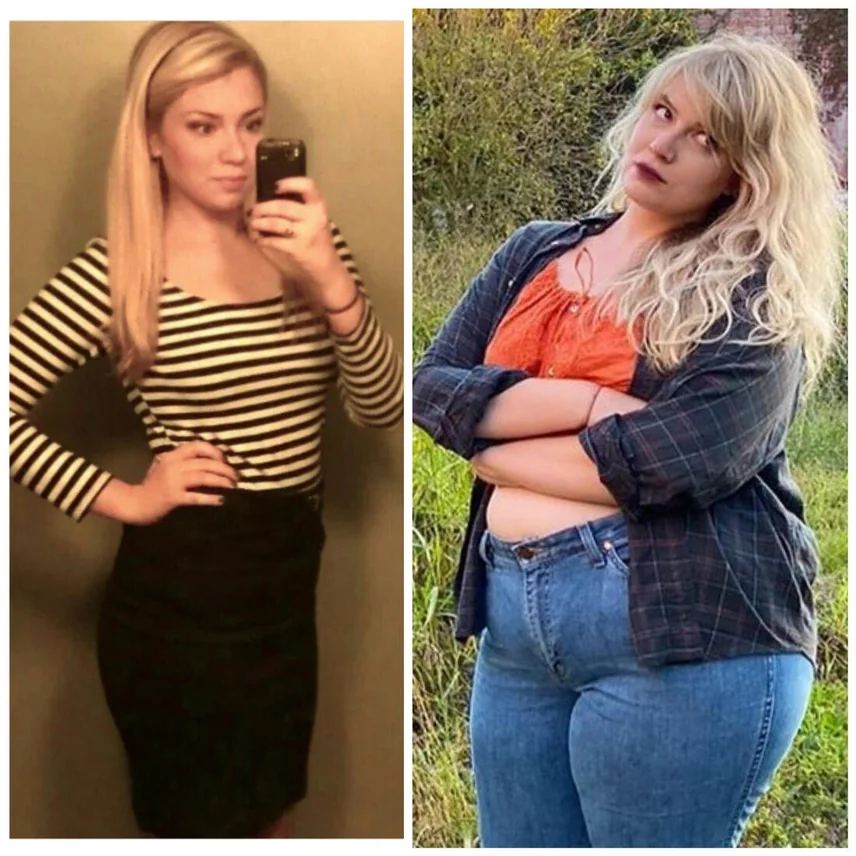
79. You STILL Might Gain More Weight By Cutting Out Carbs
Advertisement
80. Your Skin Can Get Dry
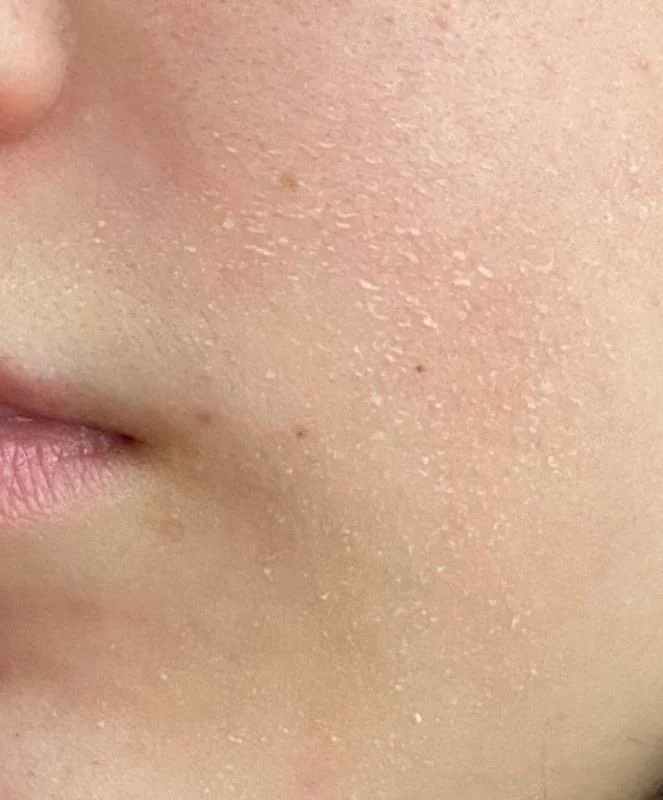
Advertisement
81. But You'll Look Younger And More Radiant

Advertisement
82. Food Shopping Trips Can Be Torture

Advertisement
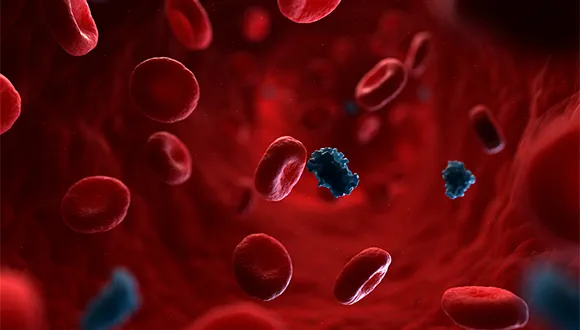
83. Your Risk Of Metabolic Syndrome May Decrease
Advertisement
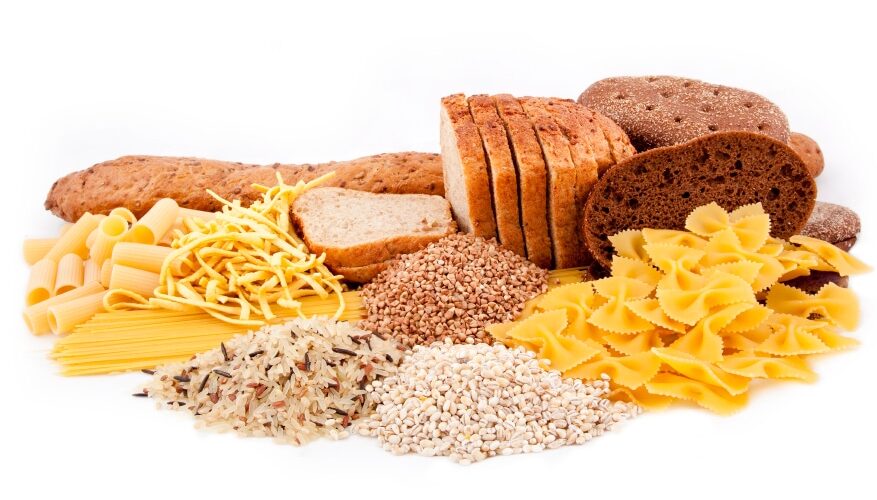
84. You Eliminate Food Groups You Need
Advertisement
85. Lower Blood Pressure

Advertisement
86. You Might Get 'Keto Rash'

Advertisement
87. There Are Unknown Long Term Effects

Advertisement
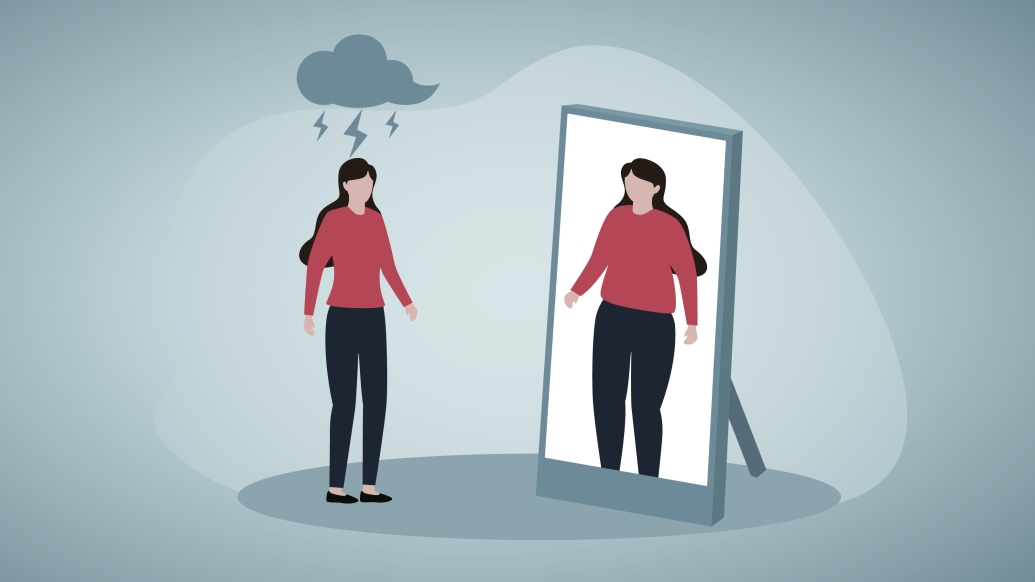
88. It's Not Appropriate For People With Eating Disorders
Advertisement
89. And It's A No-Go For Women Who Are Pregnant
 Pregnant women need to swerve no-carb diets because they need carbohydrates for fetal development, energy, and overall health. A no-carb diet may lack essential nutrients like folic acid, fiber, and vitamins, so it can actually be quite dangerous for both mother and baby. Remember that balanced diets are a whole lot safer.
Advertisement
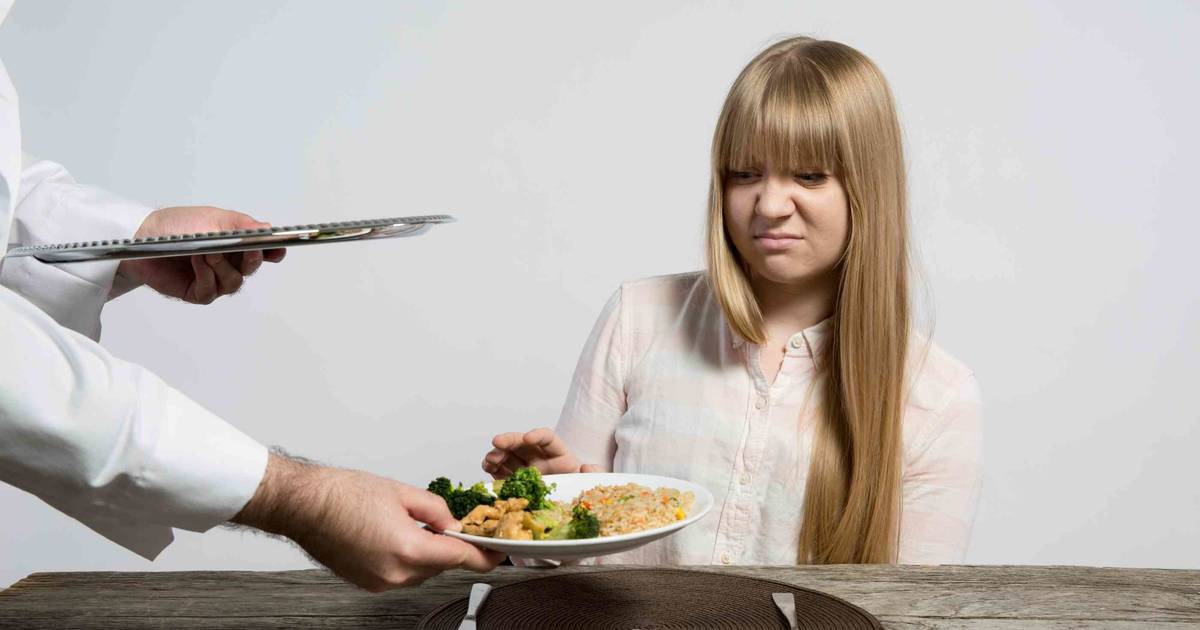
90. It's Difficult For Fussy Eaters
Advertisement
91. You Could Get Kidney Stones
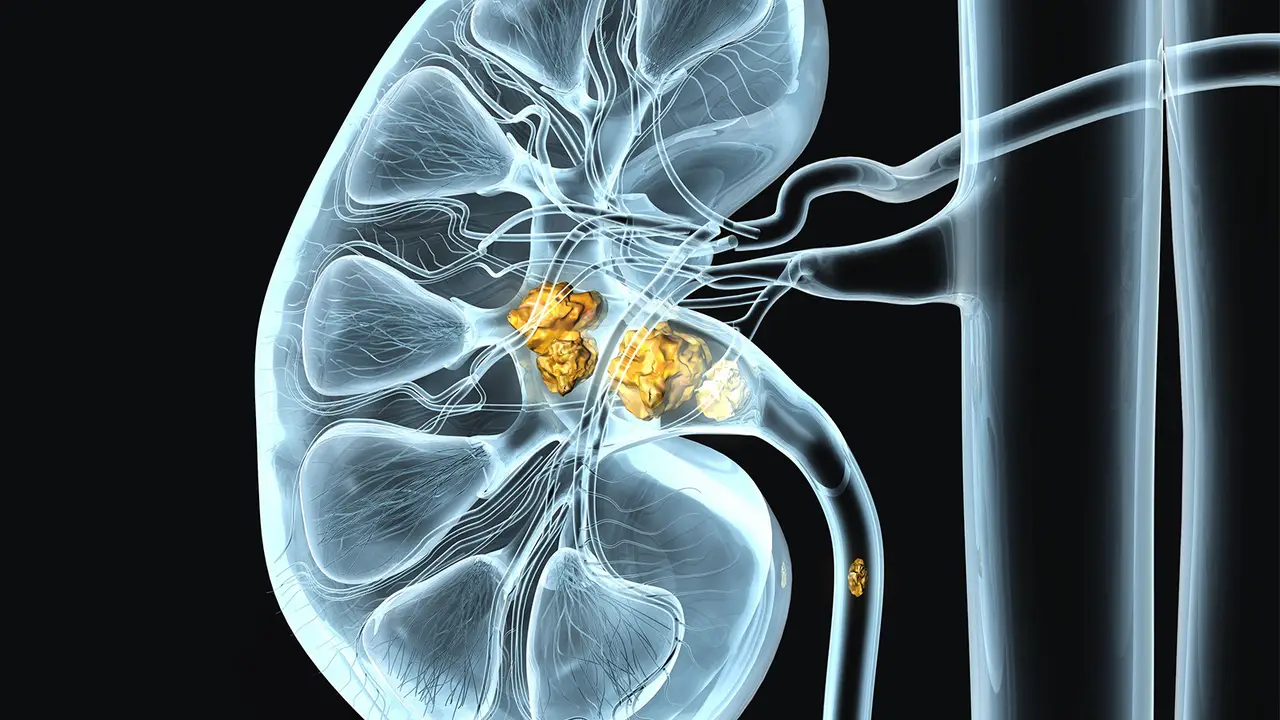 This only happens in extreme cases, but it’s important to be aware that cutting out carbs can increase your risk of kidney stones. This is because low-carb diets change your urine chemistry, so you end up with higher levels of uric acid and calcium that can build up inside your kidneys.
Advertisement
92. Dry Lips
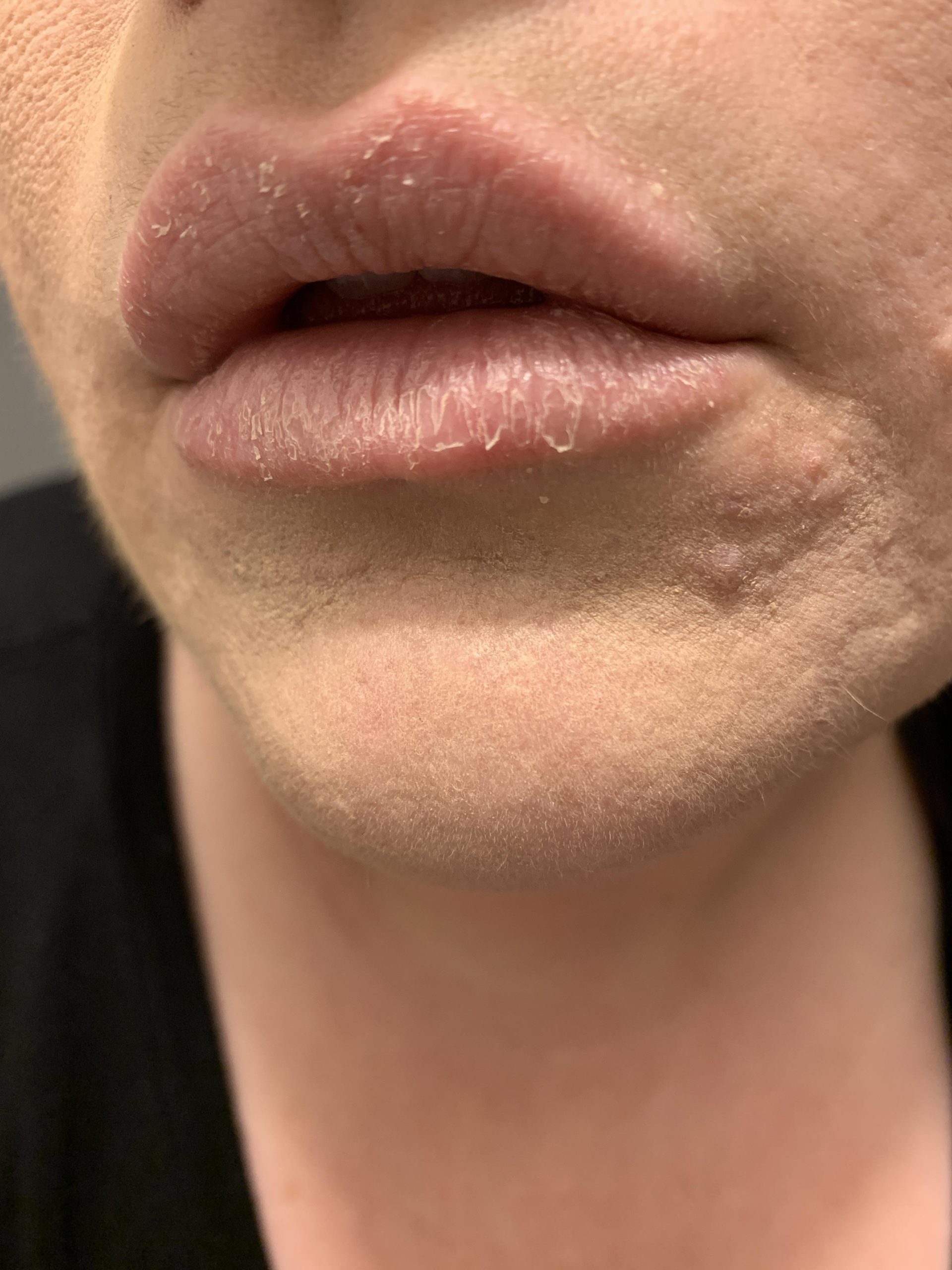 As a lack of carbs can lead to dry skin, it’s no huge surprise that your lips can get dry too. So be sure to step up your water intake to keep your body hydrated. We’d also recommend investing in a heavy-duty lip balm to keep those dry patches at bay.
Advertisement
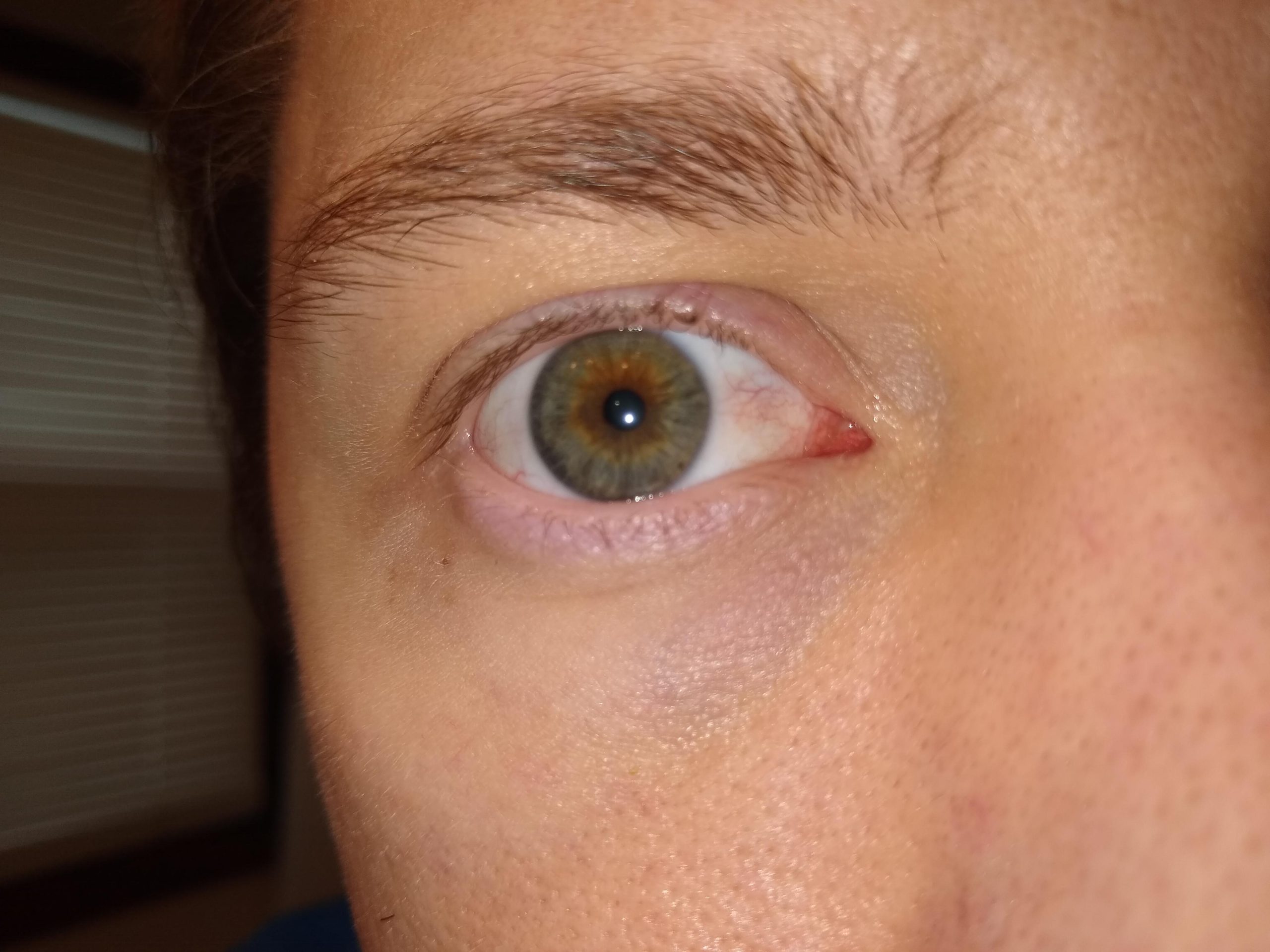
93. Bloodshot Eyes
Advertisement
94. It's Not The Most Environmentally Friendly Diet
Advertisement
95. Dry Sinuses
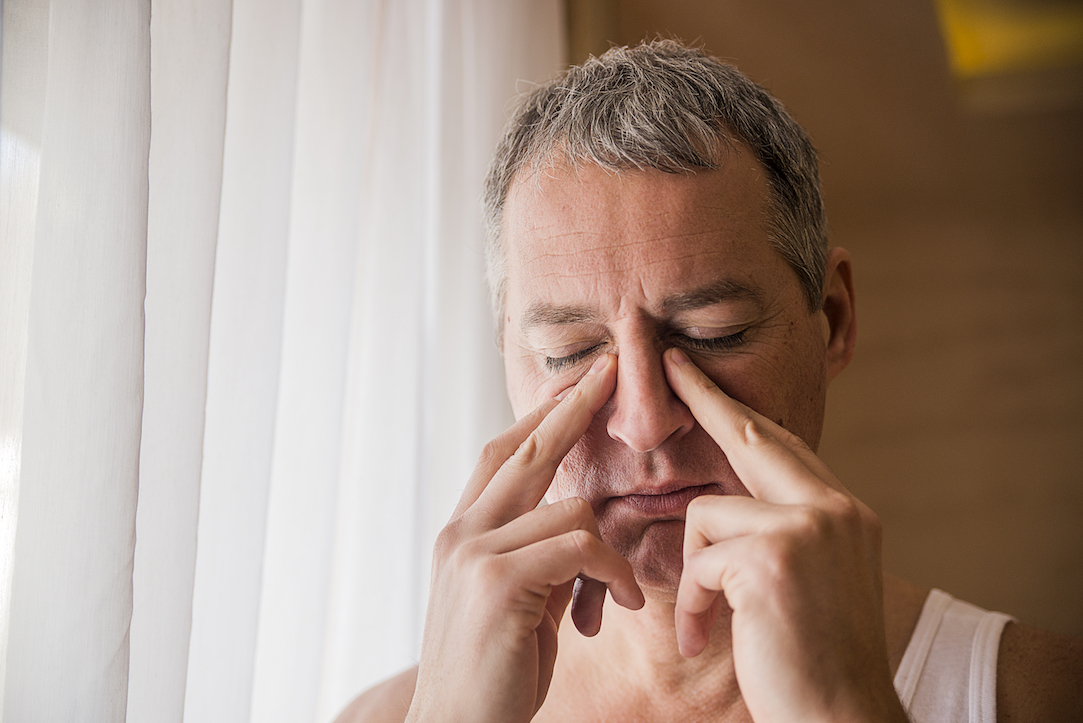 Not only can you get dry skin, lips and eyes when you cut out carbs, but you can also get dry sinuses too. This can cause a lot of irritation to your mucus membranes, so you’ll need to hydrate yourself regularly. A more balanced diet helps maintain sinus health, so it’s something to bear in mind before you dramatically change your diet.
Advertisement
96. Flatulence
Advertisement
97. Premature Death In Some Extreme Cases
Advertisement
98. You Could Develop Cerebrovascular Disease
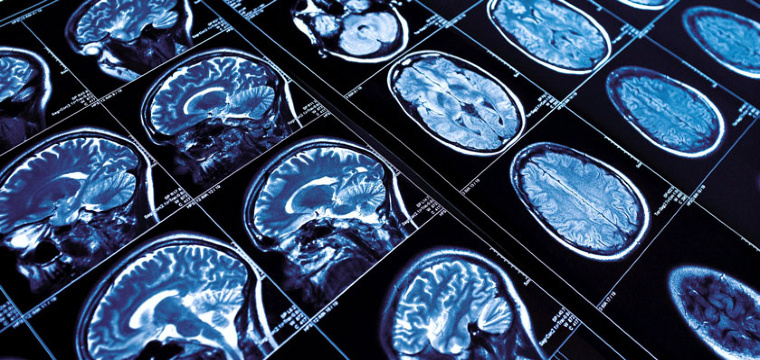 There is some evidence that suggests a potential link between very low-carb diets and an increased risk of cerebrovascular disease (CVD), particularly if the diet is particularly high in animal fats and proteins. Cerebrovascular disease generally includes things like strokes, carotid stenosis and vertebral stenosis, as well as intracranial stenosis and aneurysms.
Advertisement
99. Inability To Control Weight Long-term
 If you’re falling into short-term diets on a regular basis, you might want to tread carefully. Cutting out carbs for 30 days might seem like a good idea at the time, but habits like this can really affect your long-term weight. Many people get trapped in a cycle of yoyo dieting, which can have implications for your weight and overall health.
Advertisement
100. You Might Get Heart Disease
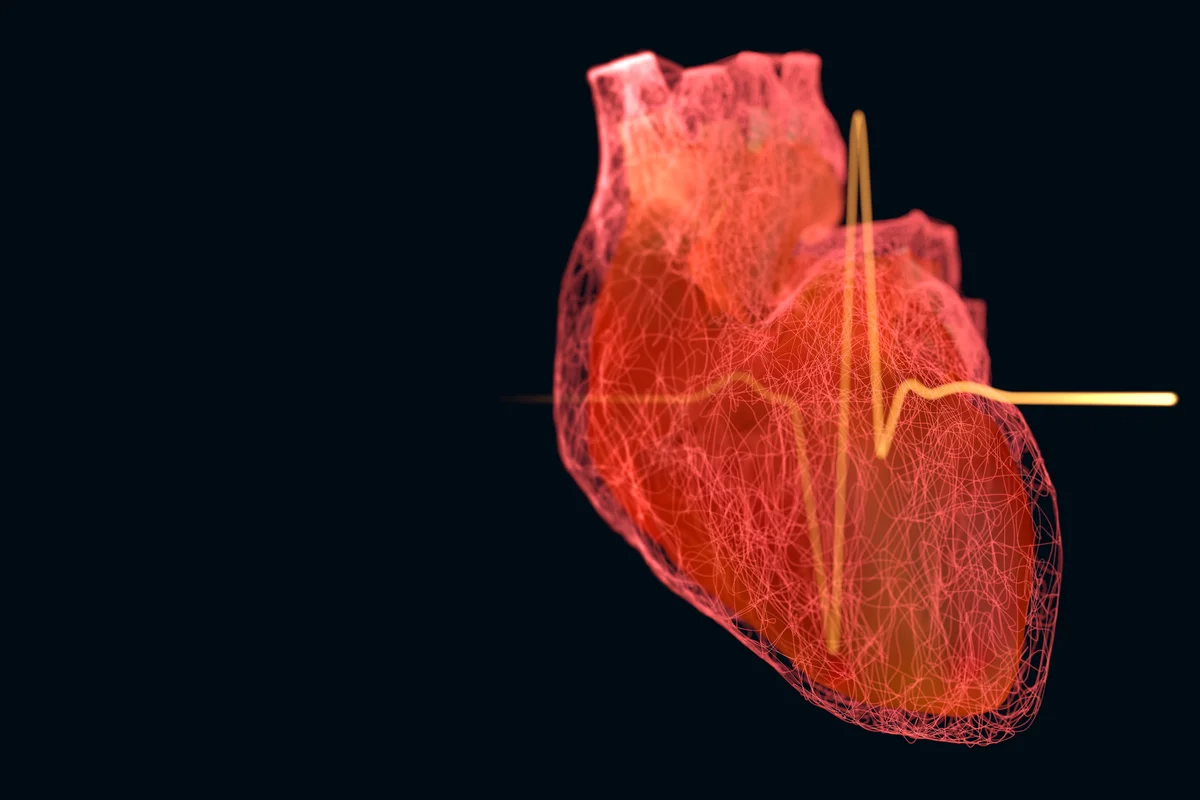 Very low-carb diets, especially those high in saturated fats and low in fiber, may be associated with an increased risk of heart disease. These diets can negatively impact lipid profiles and other cardiovascular risk factors, so it’s something to consider when cutting carbohydrates. A balanced and more sustainable approach to nutrition is generally recommended for heart health.
Advertisement