
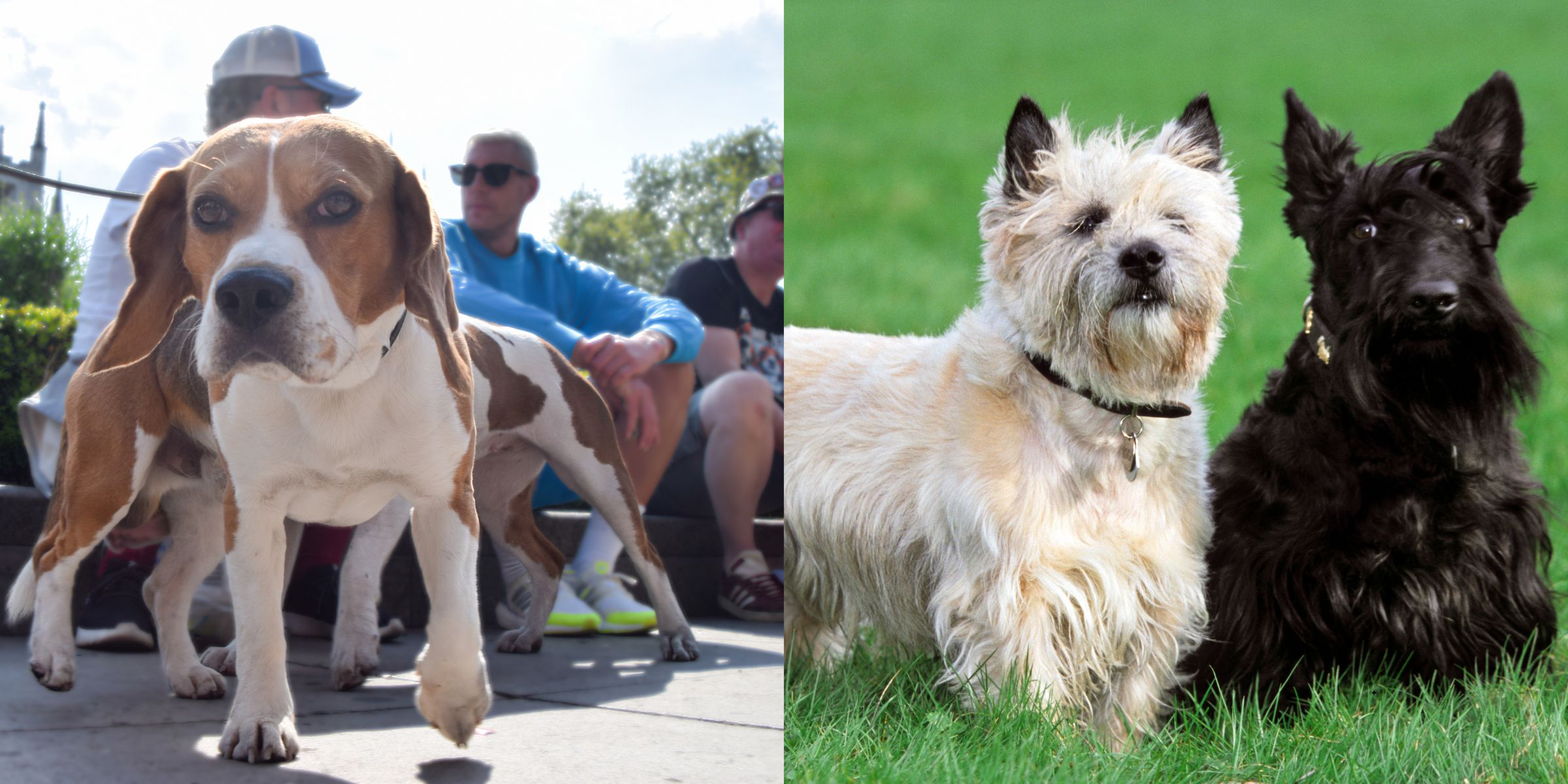
Could Your Dog Be Next? New UK Rules May Ban These 67 Breeds

From the shih tzu to the dachshund, the bulldog to the beagle, dozens of the nation's most cherished companions are now in the crosshairs of animal welfare zealots determined to reshape Britain's dog-loving culture for ever.
They have curled up at our feet for generations. They have comforted the grieving, delighted children, and sat loyally beside the greatest in the land — including, most famously, on the lap of the late Queen Elizabeth II herself.
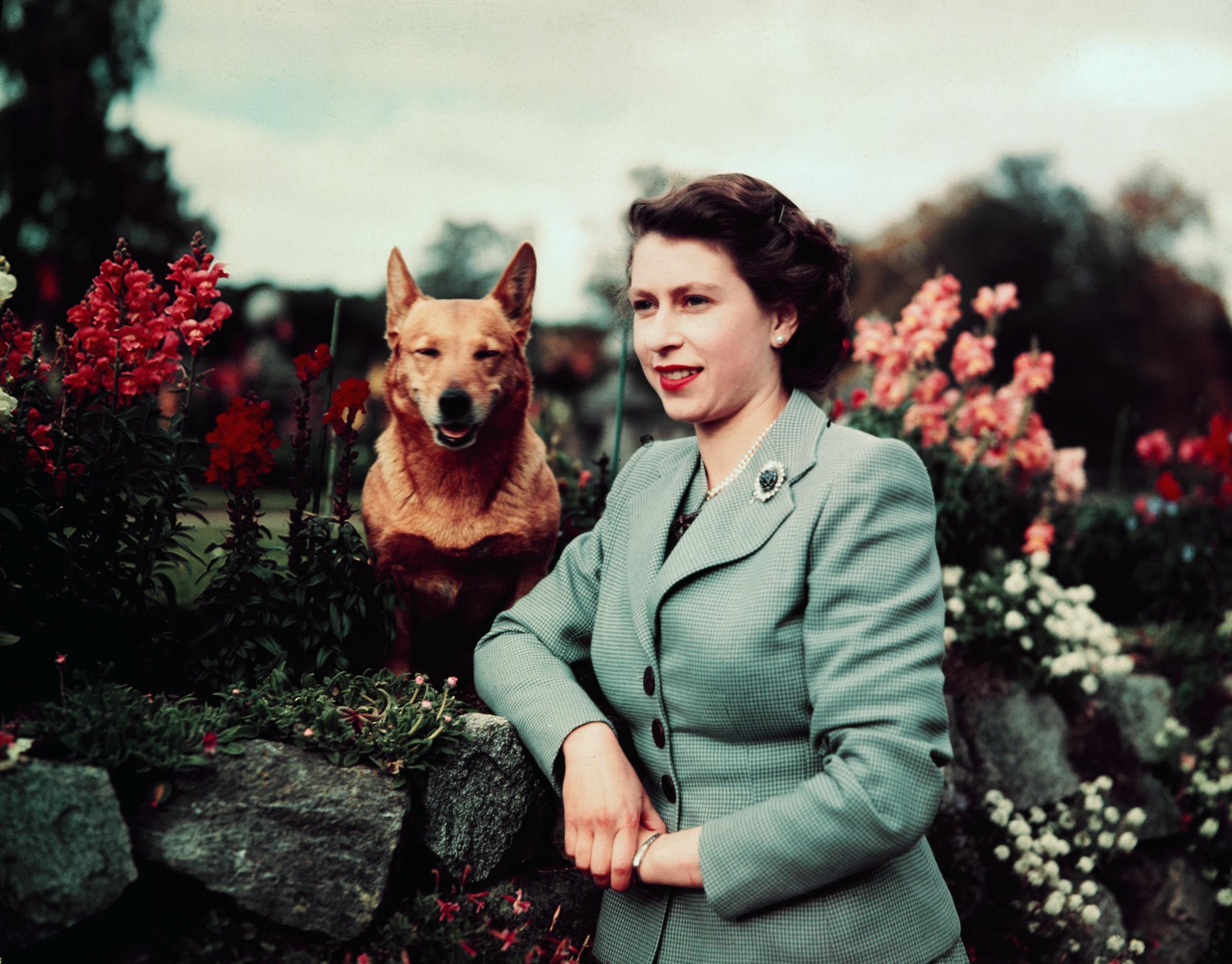
Queen Elizabeth II of England at Balmoral Castle with one of her Corgis on 28 September 1952. | Source: Getty Images
But now, in a move that has left dog lovers across Britain reeling with disbelief, bureaucrats are drawing up plans that could see up to 67 beloved breeds effectively wiped from the nation's kennels beginning within five years.
And the late Queen, one suspects, would not have been amused.
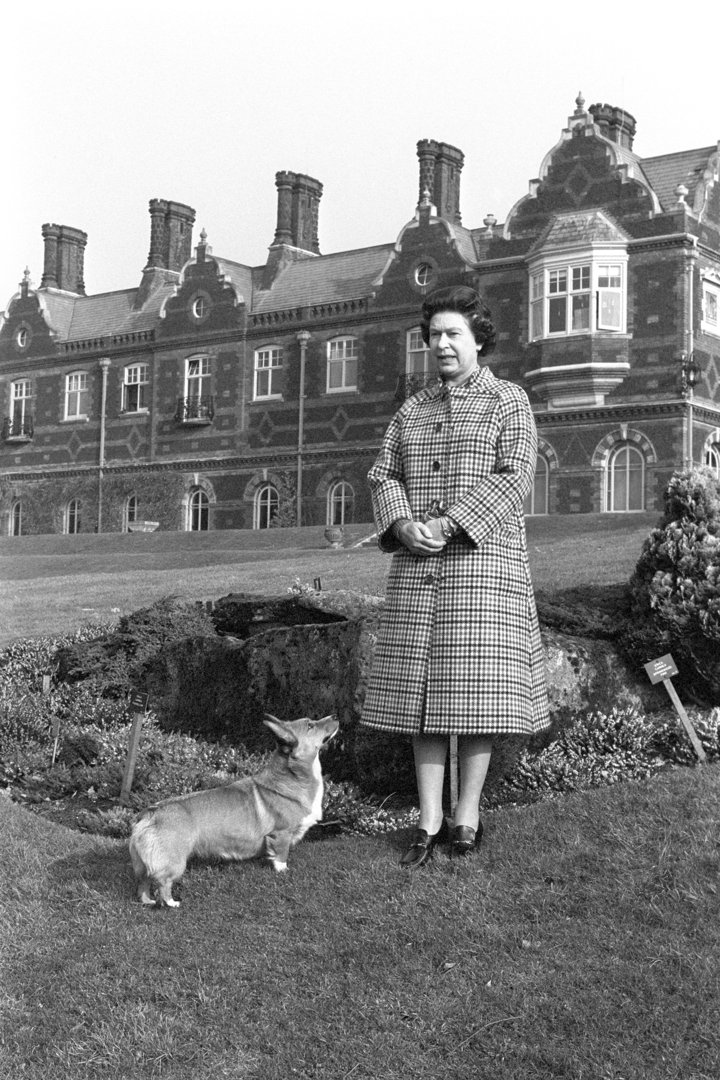
Queen Elizabeth II with a corgi in the grounds of Sandringham House, Norfolk, to mark the 30th anniversary of her accension to the throne on 6 February 1982. | Source: Getty
At the centre of the storm sits a little-known but deeply consequential document: the Innate Health Assessment (IHA), a ten-point visual checklist developed by the All-Party Parliamentary Group (APPG) for Animal Welfare.
On the surface, it sounds benign enough — a set of guidelines designed to ensure that dogs bred for sale are in good physical health. A dog must pass at least eight of the ten checks to be deemed fit for breeding.
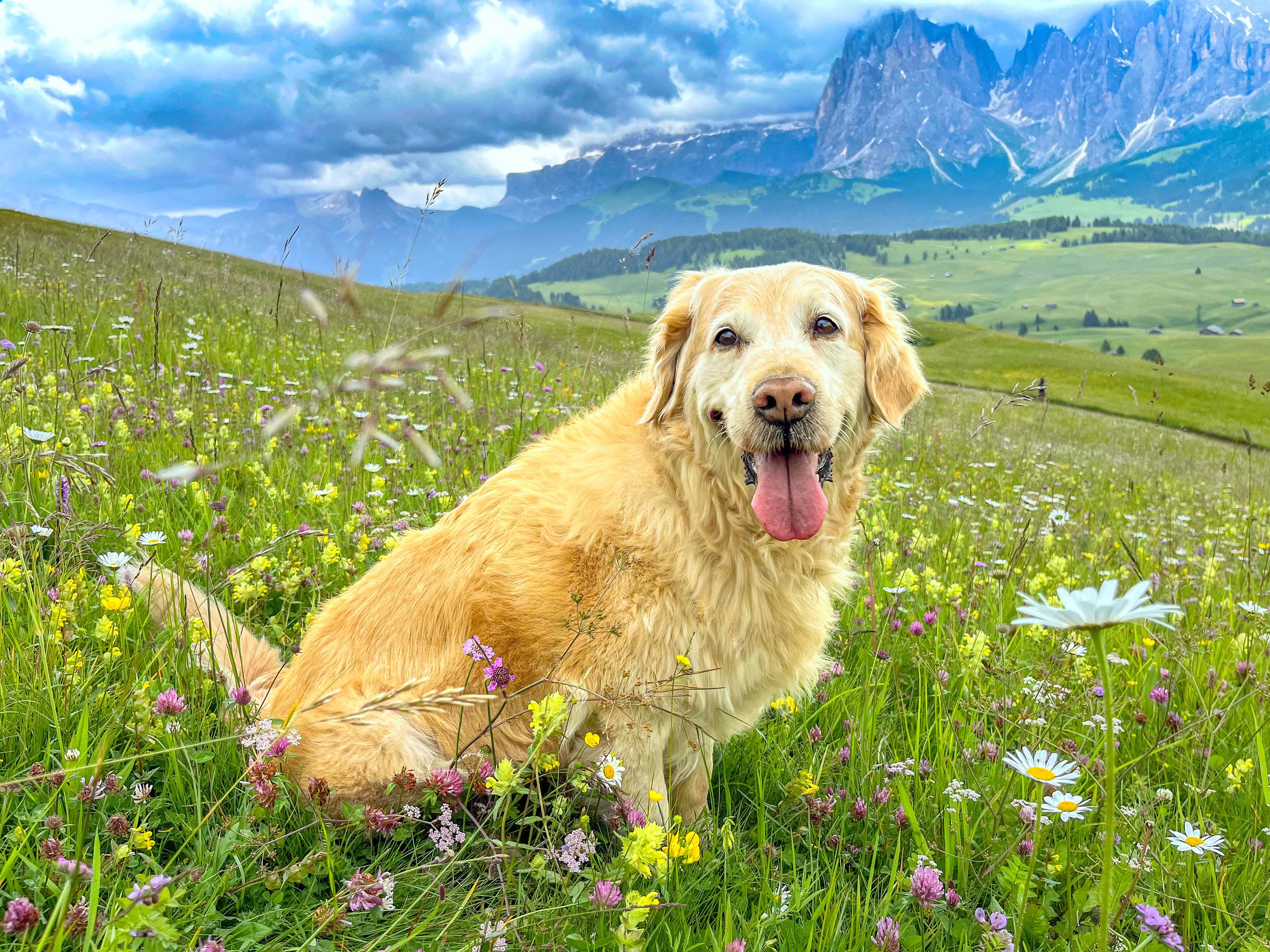
A Golden Retriever | Source: Getty Images
The assessment targets a list of physical characteristics that, if present, could disqualify a dog from being bred under licensed conditions — and the criteria are far-reaching.
Short noses. Flat faces. Shortened legs. Mottled skin. Excessive skin folds. Bulging eyes. Drooping eyelids. Underbite. Overbite. Disrupted breathing.
Supporters argue these traits are markers of preventable suffering; critics contend the checklist is too blunt an instrument to capture the full picture of a breed's health.
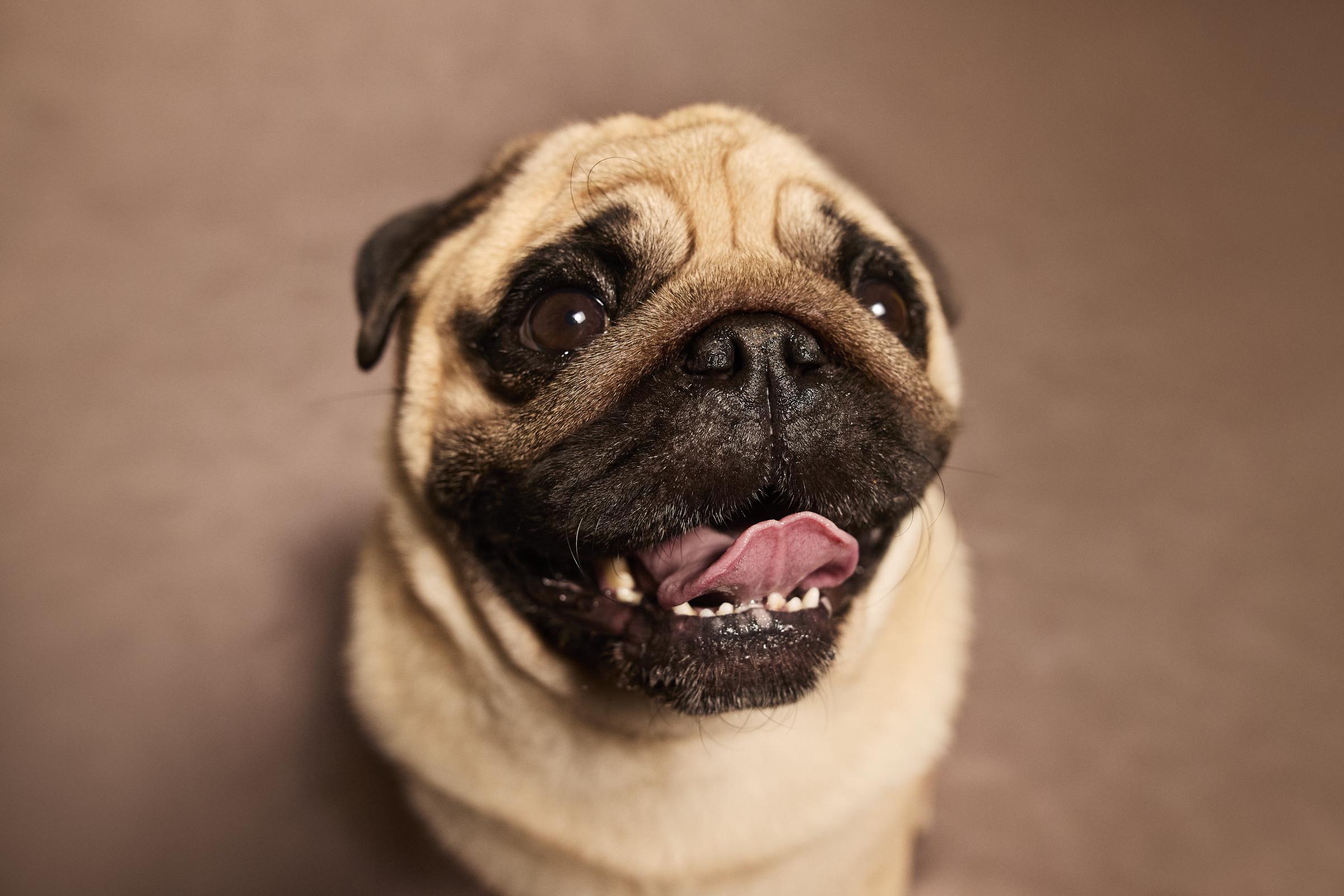
A Pug | Source: Getty Images
Should the IHA be enshrined in law — and campaigners are pushing hard for precisely that within the next five years — no licensed breeder in Britain would be permitted to sell a puppy that fails the assessment.
In total, 67 breeds now find themselves squarely in the crosshairs:
The checklist is already being used voluntarily by some breeders and has even been adopted by certain local councils when assessing breeding licence applications. But campaigners want it to go much further — and the clock, they warn, is ticking.
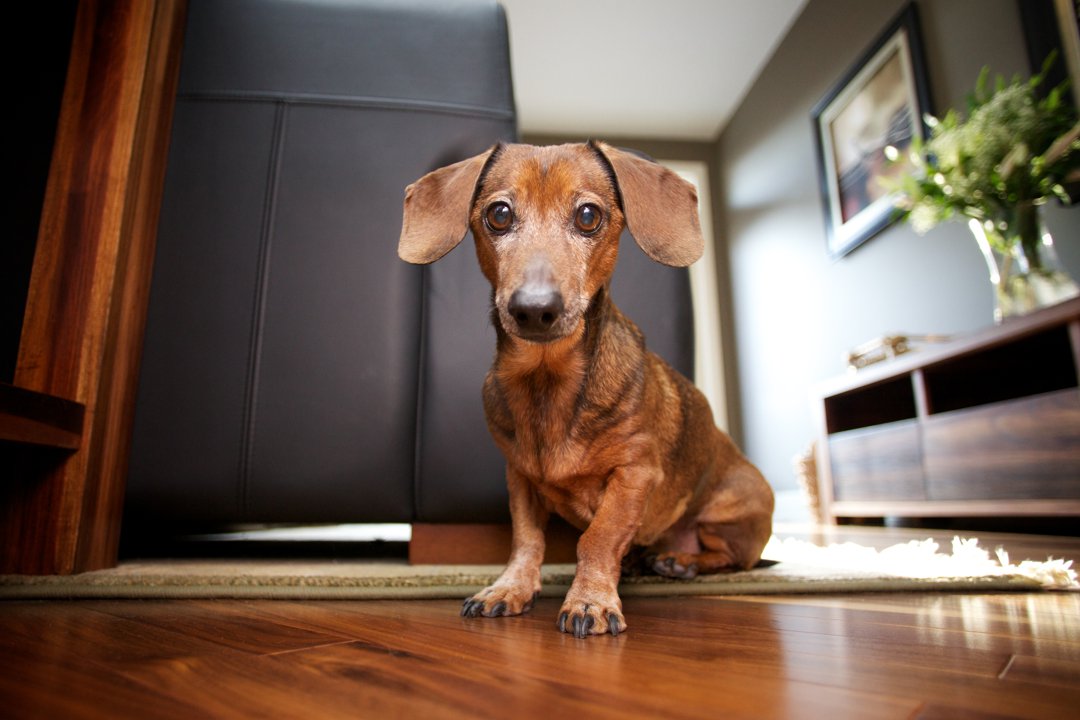
A Mini Dachshund | Source: Getty Images
For Beverley Cuddy, founder of the Union of Good Dog People, the proposals are a profound affront to Britain's dog-loving public — and she is not mincing her words.
"It's going to be the most shocking thing to happen to dog lovers in this country," she said. "People will rightly be outraged at being told they can't have the dogs they want. It's madness."
And, she added pointedly, the outrage would not be confined to ordinary dog owners. "I think the late Queen would have been very upset by this proposal."
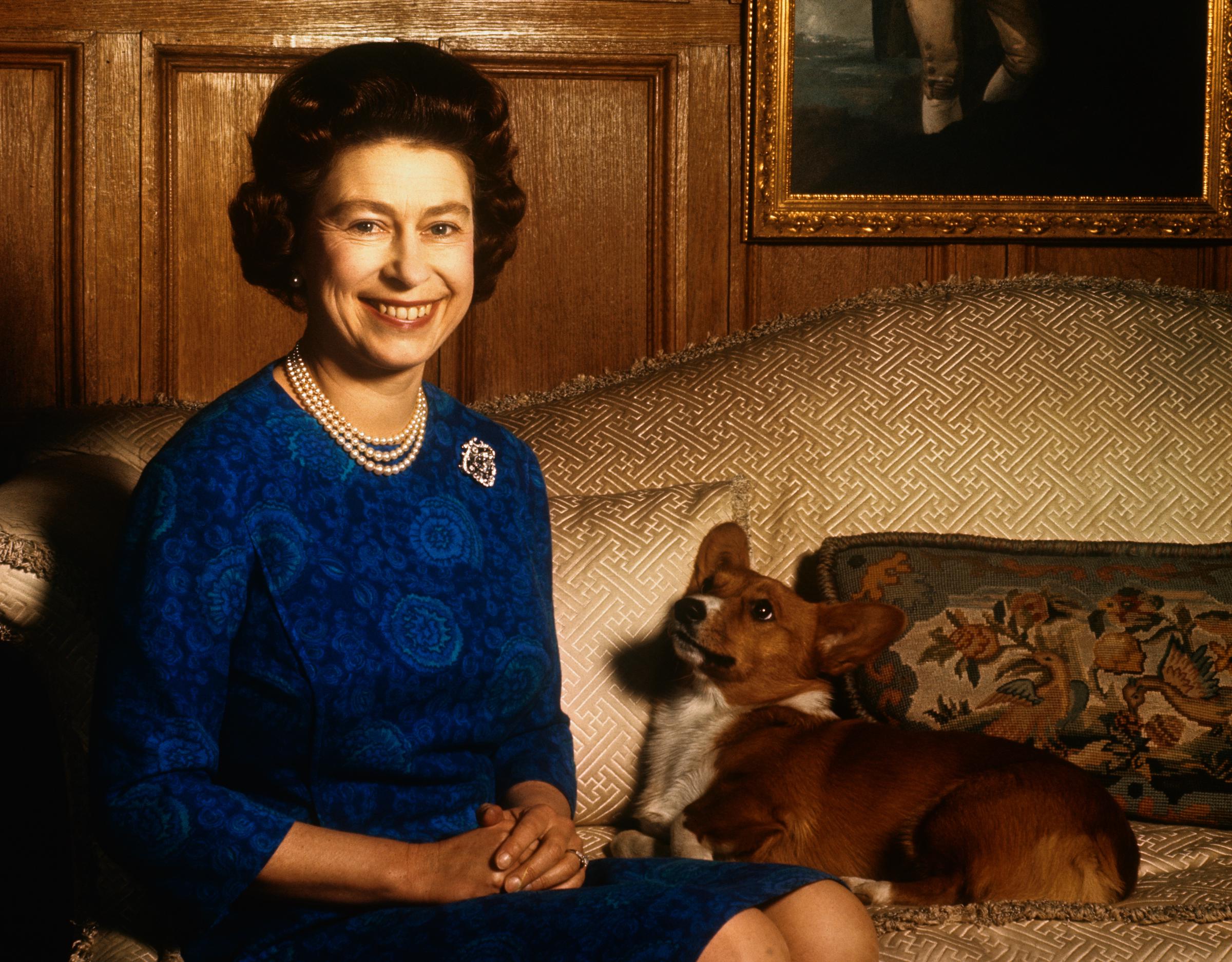
Queen Elizabeth II smiles radiantly during a picture-taking session in the salon at Sandringham House on 4 February 1970. | Source: Getty Images
It is a sentiment that will resonate powerfully across the country. For decades, the sight of the Queen surrounded by her beloved corgis was one of the most reassuring and quintessentially British images imaginable.
The idea that those very dogs — with their distinctive stumpy legs and boundless energy — could be effectively legislated out of existence has struck many as not merely misguided, but deeply, profoundly wrong.
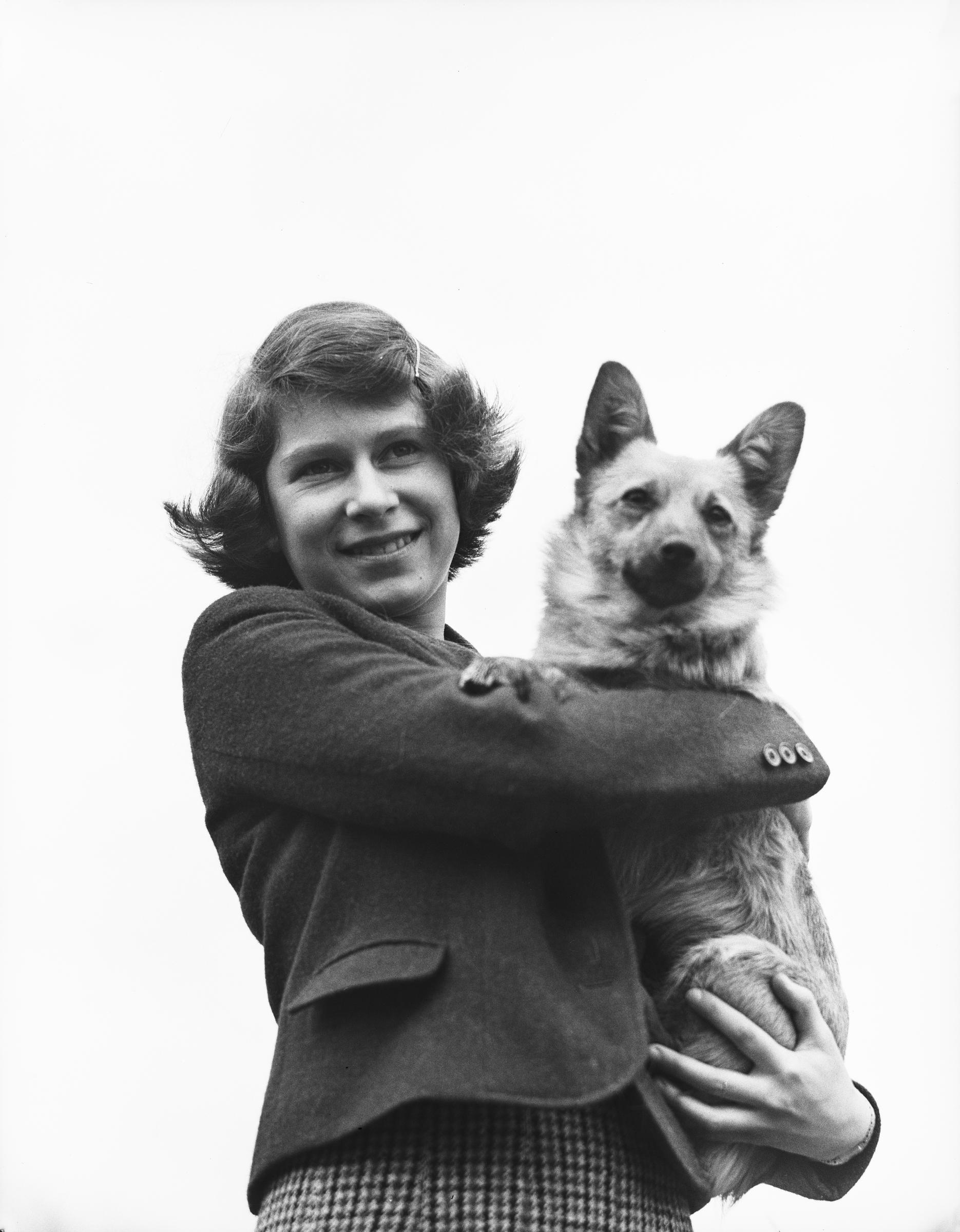
Queen Elizabeth II holding a Pembroke Welsh Corgi dog in April 1940. | Source: Getty Images
The IHA has attracted fierce criticism not only from breeders and owners, but from those who question whether a visual checklist is any kind of substitute for proper, rigorous medical testing.
Animal campaigners have condemned the assessment as a "blunt tool" — a subjective, surface-level appraisal of a dog's appearance that fails to account for the nuanced realities of breed health.
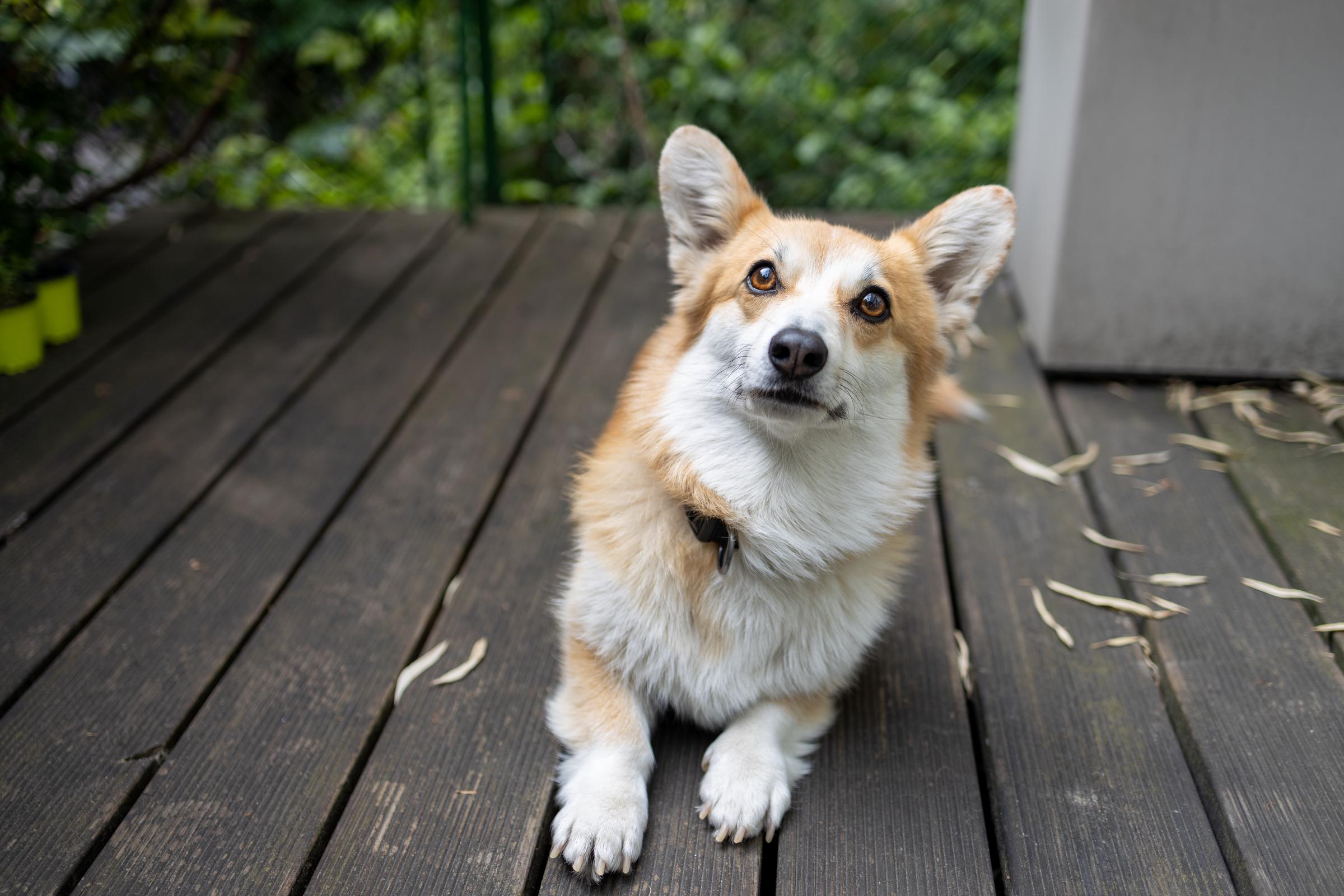
A Corgi | Source: Getty Images
"We need proper, nuanced tests that don't throw the baby out with the bathwater," warned Cuddy, "or we're going to lose Britain's most beloved breeds in the blink of an eye."
Margaret Hoggarth, secretary of the Welsh Corgi League, was equally scathing — and equally passionate.
"They are trying to say any dogs with a certain look are unhealthy," she said, "but anybody who has worked with corgis knows they are a very healthy breed. They don't have the problems you see with some other breeds, but sadly they are being lumped in together because they have short legs."
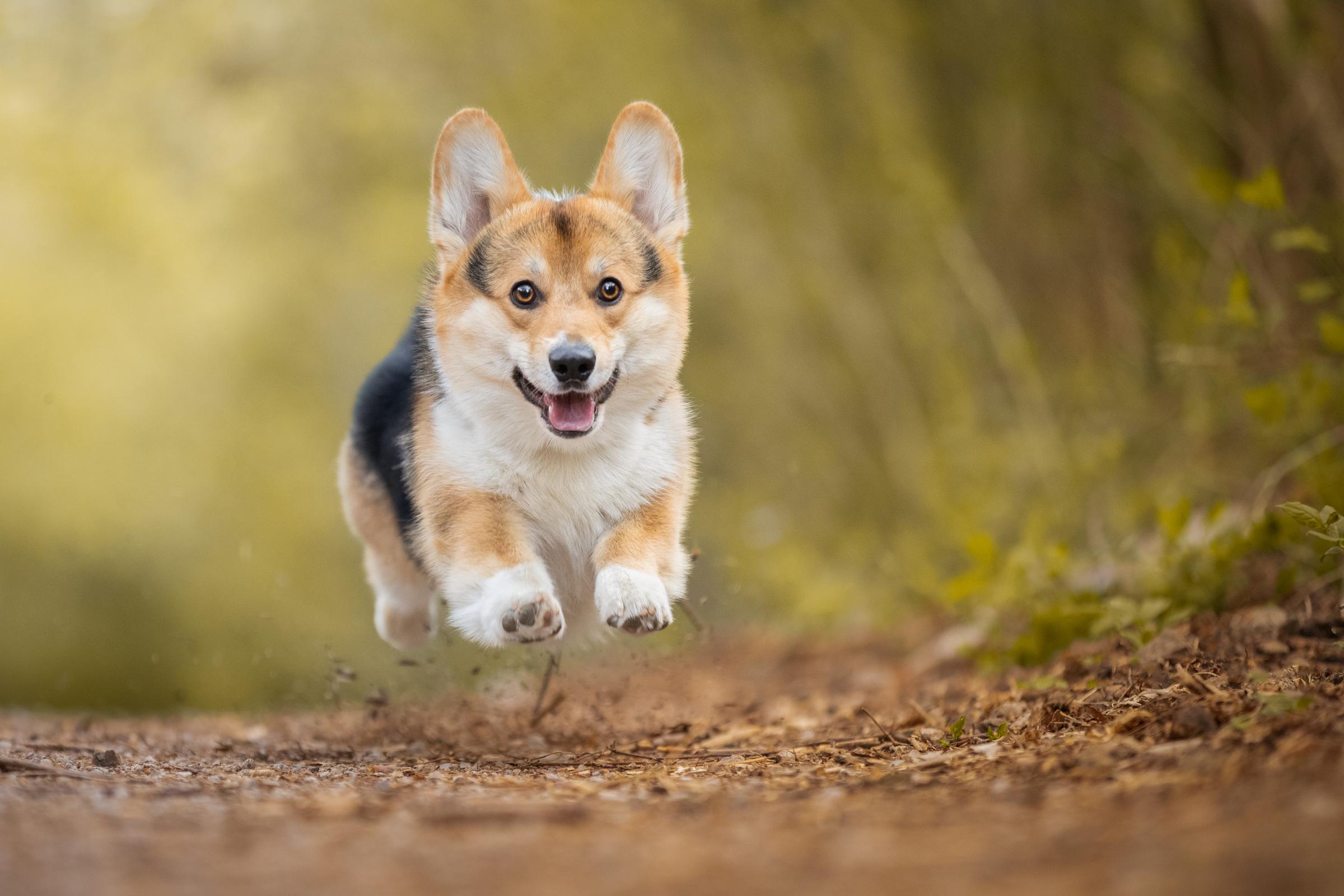
A Corgi | Source: Getty Images
Not everyone, of course, is reaching for the smelling salts. Defenders of the IHA have moved swiftly to pour cold water on what they describe as scaremongering of the highest order.
Marisa Heath, director of the APGAW, dismissed talk of a "ban" as "misleading and irresponsible."
"The suggestion that the Innate Health Assessment could lead to beloved breeds such as corgis becoming 'banned' is misleading and irresponsible," she said firmly, insisting that the IHA is a "voluntary welfare initiative" aimed at promoting healthier breeding practices — not eliminating specific breeds altogether.
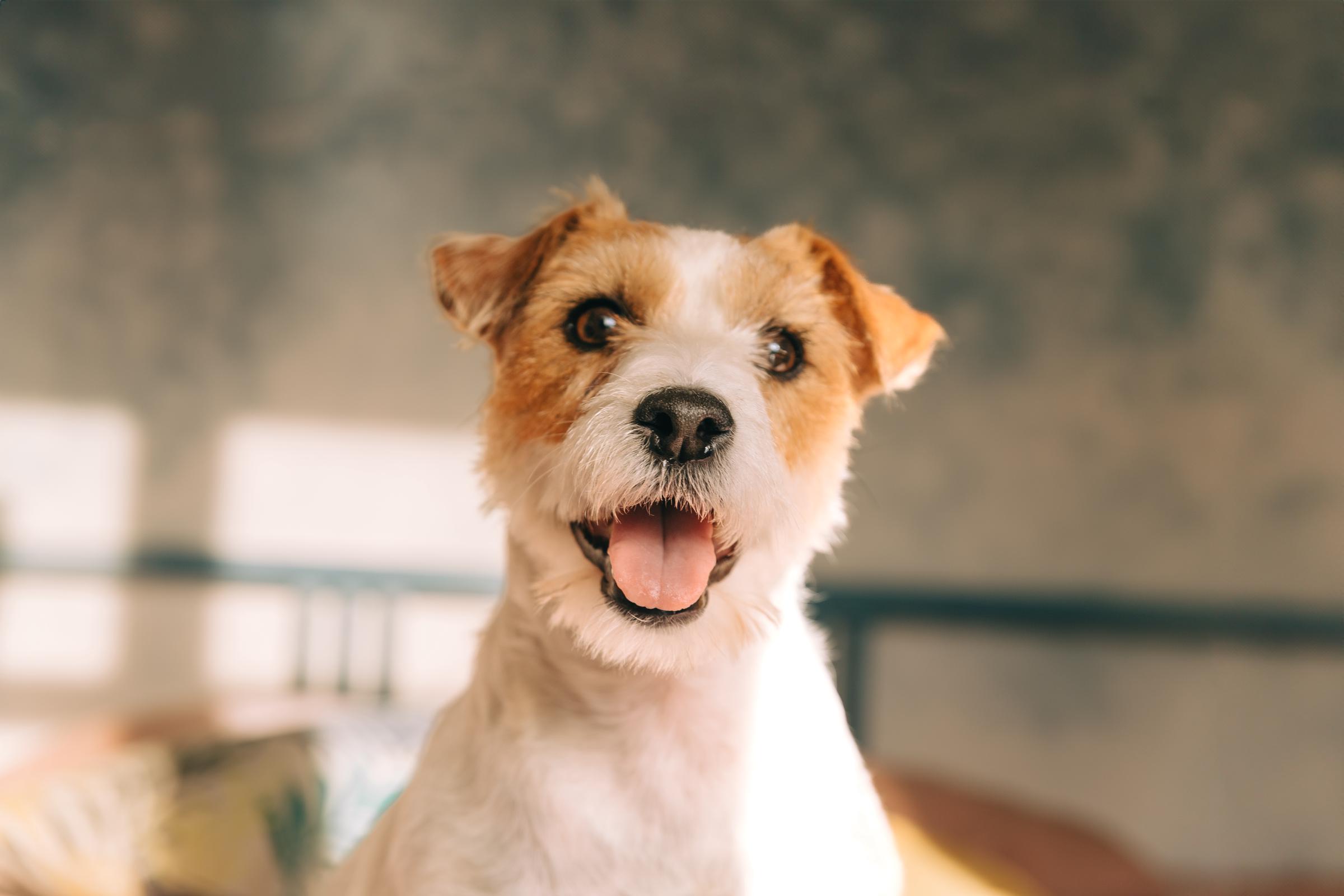
A Jack Russell Terrier | Source: Getty Images
She pointed out that several breeds frequently cited by critics — including corgis and dachshunds — had already successfully met the assessment standards in practice. Crucially, the proposed legislation would not make existing dogs illegal. Owners would still be free to adopt these breeds from rescue centres and shelters.
But for the millions of Britons who have set their hearts on welcoming a flat-faced French Bulldog puppy or a stumpy-legged dachshund into their homes, such reassurances ring hollow.
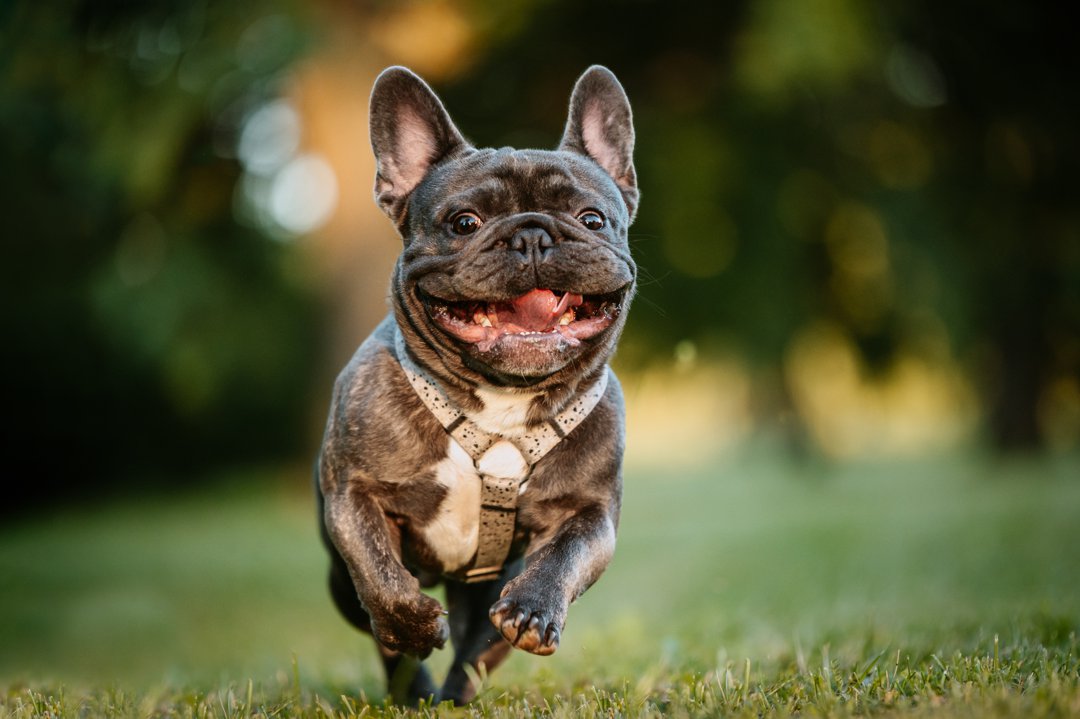
A French Bulldog | Source: Getty Images
Britain would not be treading entirely new ground. The Netherlands has already banned the breeding of flat-faced dogs and those with folded ears, while Norway has gone so far as to prohibit the breeding of the Cavalier King Charles Spaniel altogether — a decision that sent shockwaves through the international dog-breeding community.
Yet for many in Britain, the spectre of following suit feels like a step too far — a bureaucratic overreach that sacrifices a cherished national tradition on the altar of well-meaning but heavy-handed regulation.
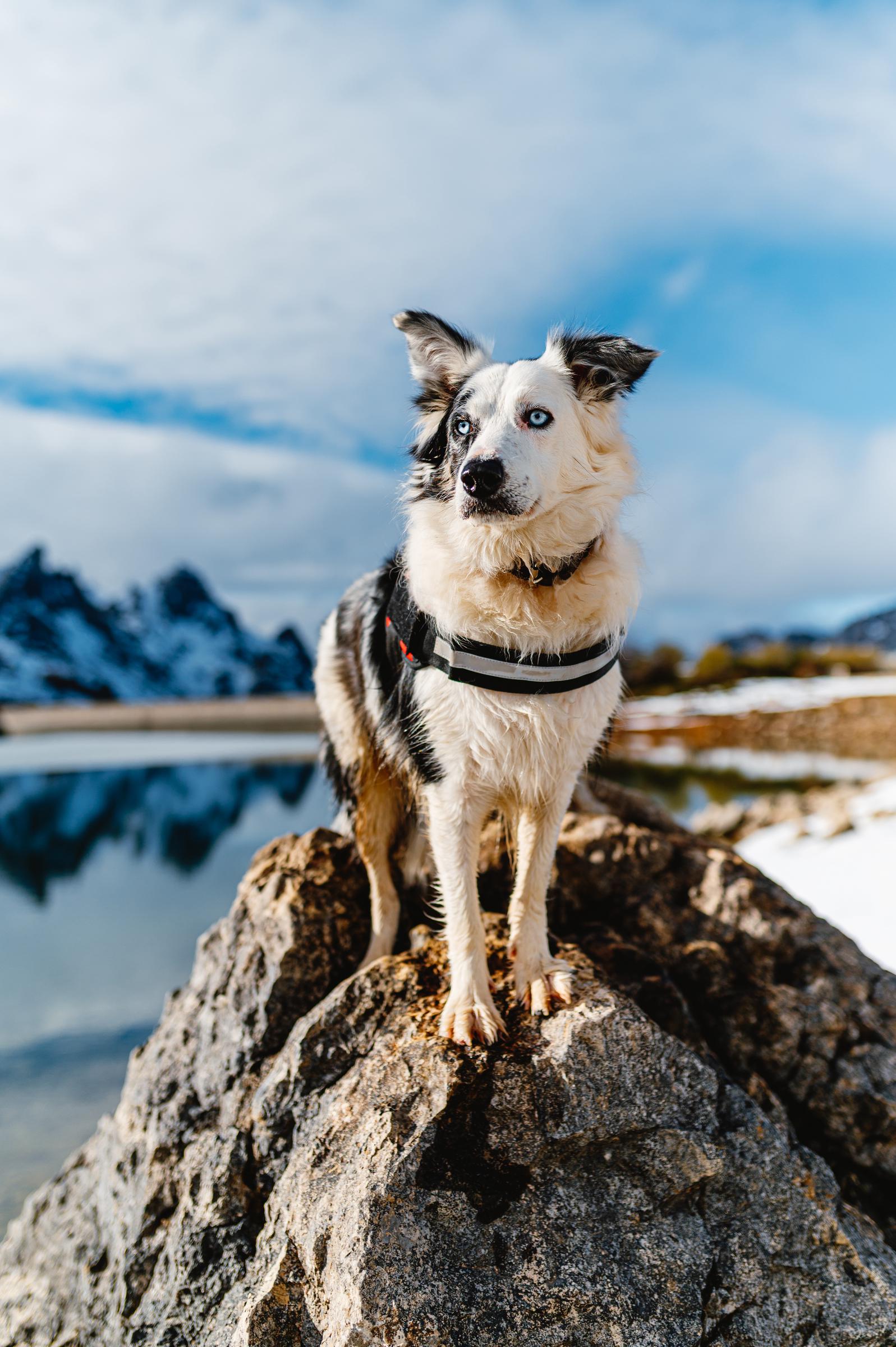
A Border Collie | Source: Getty Images
The IHA's supporters insist they are acting in the best interests of the animals. Its critics insist they are acting in the worst interests of the humans who love them.
One thing, at least, is beyond dispute: the battle for Britain's dogs has only just begun.