

Home Remedies For Eczema

Aloe-Vera Gel
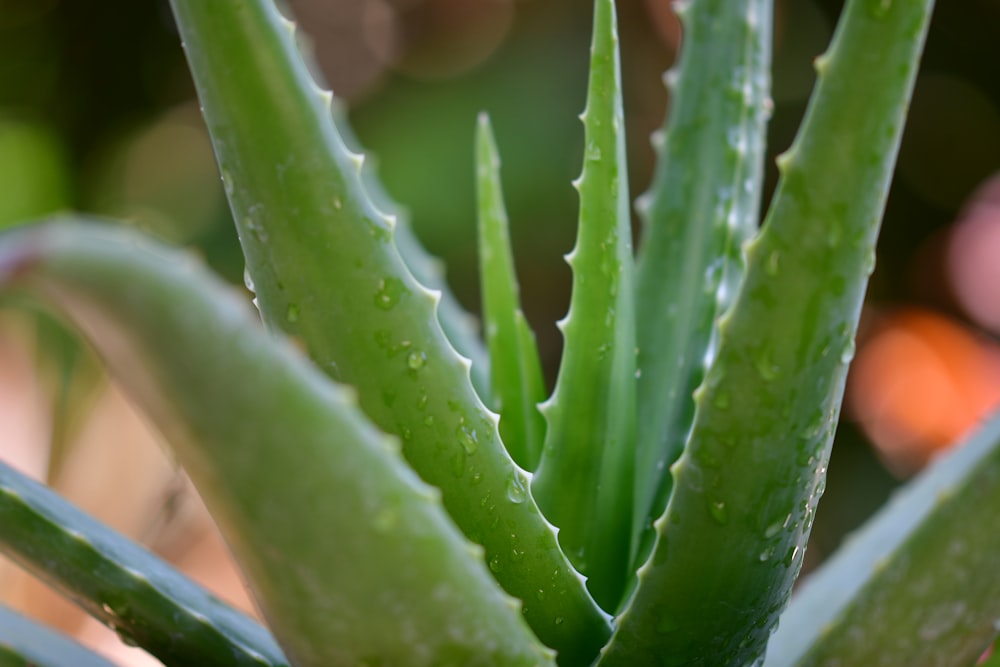 Image Source/ UnsplashAloe Vera gel has a number of helpful properties that make it a good home remedy option for treating a flare up of eczema. The antibacterial and antimicrobial effects the gel has can help to prevent skin infections, especially caused by dry, cracked skin. Applying a small amount of gel can help soothe your eczema-prone skin.
Advertisement
Apple Cider Vinegar
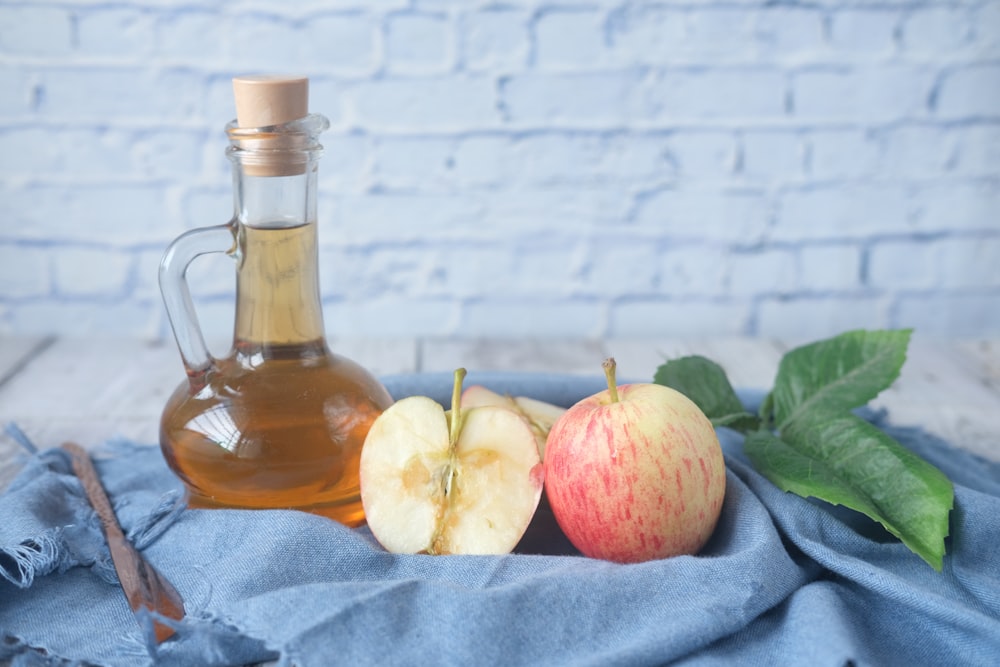 Image Source/ UnsplashAlthough there's no research to prove that apple cider vinegar can reduce symptoms of eczema, it's highly acidic nature can help balance the acidity levels in your skin. Those prone to eczema may have less acidic skin than the average person, leaving them susceptible to infections. Make sure that the vinegar is diluted as it can cause burns if not.
Advertisement
Bleach Bath
 Image Source/ PexelsNot the first home remedy you would expect for helping your eczema, but a review has suggested that bleach baths can reduce the need for antibiotic treatments. Bleach kills bacteria on your skin, including those this case staph infections, subsequently restoring the microbiome of your skin. Head here for details on how to safely have a bleach bath.
Advertisement
Colloidal Oatmeal
 Image Source/ UnsplashScientifically known as Avena sativa, colloidal oatmeal is simply oats that have gone through a processed of grounding and boiling to extract their hidden skin-healing properties. A study proved that colloidal oatmeal lotion improved skin dryness, scaling, roughness and itch intensity.
Advertisement
Bathing Regularly
 Image Source/ UnsplashBathing properly is essential for the improvement of eczema, as often the skin needs extra moisture given that the outer layers don't function as they should. You should avoid bathing too much as it can dry out the skin, and ensure that you moisturise within three minutes.
Advertisement
Virgin Coconut Oil
 Image Source/ UnsplashA study proved that applying virgin coconut oil to infants with eczema improved their symptoms after about eight weeks. This is because coconut oil contains fatty acids which add much-needed moisture to the skin, and help combat inflammation of the skin.
Advertisement
Honey
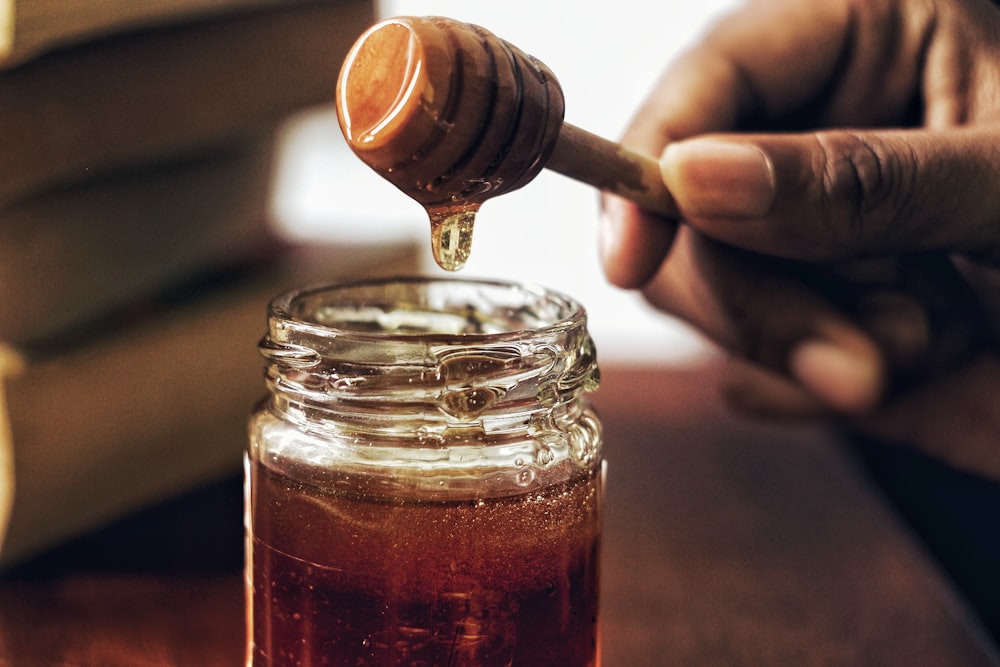 Image Source/ UnsplashIt's been proven in several studies that directly applying honey to eczema-affected skin can prevent infections and also leave the skin moisturised too. It has natural antibacterial and anti-inflammatory agents which people have used to heal wounds for a long time.
Advertisement
Dietary Changes
 Image Source/ UnsplashBelieve it or not, but your diet can play directly into the symptoms of your eczema, and being more aware of what you're eating can help soothe those symptoms. As it is an inflammatory condition, anti-inflammatory foods can help reduce eczema flares. These foods include fish, lentils and turmeric.
Advertisement
Avoid Certain Detergents
 Image Source/ PixabayBeing wary about what detergents you use is crucial when trying to manage your eczema. Chemicals found in a lot of detergents can aggravate eczema, so using gentle, fragrance-free, non-bio cleansers can help improve your symptoms, while still keeping your clothes squeaky clean.
Advertisement
Avoid Certain Soaps
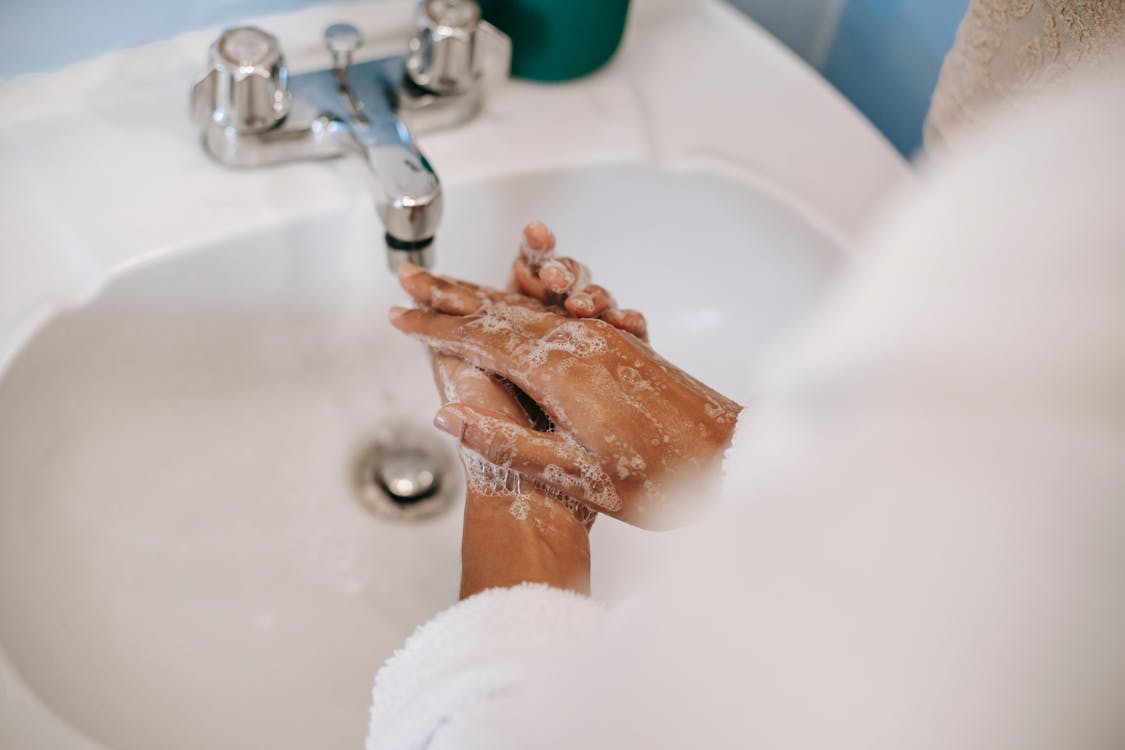 Image Source/ PexelsJust like the last point, it's not just detergents that can contain harmful chemicals, but soaps too. It's easy to choose the nicest smelling soap while your doing your weekly shop, but spending a bit more time eyeing the ingredients can save you a lot of hassle while trying to manage your eczema flare ups.
Advertisement
Skip Fabric Softener
 Image Source/ UnsplashAn unusual one, but skipping fabric softener all together can help to reduce the symptoms of your eczema dramatically. This is because fabric softener lingers on your clothes, leaving behind fragrances and chemicals that can irritate your eczema-prone skin.
Advertisement
Avoiding Heat Sources
 Image Source/ UnsplashAlthough it's easy to lose track of time when you're cosied up next to the fireplace or an electric heater, it can actually be detrimental to your eczema. This is because hot and dry air dehydrates the skin, which in course aggravates the itchiness of eczema.
Advertisement
Use A Humidifier
 Image Source/ PexelsIn the winter months it can be hard to regulate the humidity of the air in your house when you're making use of fireplaces and electric heaters. Try purchasing a humidifier (which can be filled with an array of essential oils) which will help pour moisture back into the air.
Advertisement
Wrap Up Warm
 Image Source/ PexelsCold weather can really cause flare ups of your eczema as the harsh winds can dry out the skin more than usual. It's essential that you wrap up warm to keep your eczema controlled, unexposed to winter winds and to keep the temperature of your skin low.
Advertisement
Moisturisers
 Image Source/ UnsplashIt's important that you take moisturising very seriously when you're prone to eczema. Using heavy-duty ointments can prevent dryness (which leads to itchiness) and also acts as a barrier blocking out irritants, that will only make you more uncomfortable and at risk of infection.
Advertisement
Anti-itch Spray
 Image Source/ PexelsAnyone with eczema knows very well that scratching can make it far worse. If you're finding it hard to resist the urge to itch, try an over-the-counter anti-itch spray, for example TriCalm Extra Strength Spray. It doesn't actually require touching the eczema on application.
Advertisement
Gloves
 Image Source/ UnsplashIf you find yourself scratching at your eczema while you're asleep and unbeknownst to you, give yourself a pair of cotton gloves to sleep in at night. Doing this will make sure that if you're scratching while sleeping you won't cause much damage to your skin.
Advertisement
Keep It Light In Summer
 Image Source/ PexelsIt's proven that heat and sweat can cause itchiness on the skin, so this is especially important to be aware of for those with eczema. Trying to regulate your body temperature can be hard, but is essential to consider. In summer, while the weather is hot, wear loose, breathable clothing to reduce that heat and sweat.
Advertisement
Keep It Light In Winter
 Image Source/ PexelsAs mentioned before, it is crucial that you wrap up warm outside in the winter when those cold winds are blowing, as you don't want to dry out your skin. Similarly, it's also crucial to make sure that the clothes you are wearing are easy to remove, so you don't get too warm or stuffy.
Advertisement
Wet Wraps
 Image Source/ Everyday HealthWet wraps are a great way to re-moisturise your skin after it's become dried out following a flare up of eczema. Once you've bathed and moisturised, wrap warm, damp clothes around the affected skin, following by a layer of loose dry clothing. Leave on for several hours so your skin can absorb as much as possible.
Advertisement
Avoid Wool
 Image Source/ PexelsWool is a scratchy material that will aggravate your eczema at any chance you get. If you're keen on wearing wool and are going for that winter chic look, make sure you protect your skin with a good base layer. Materials like cotton, linen or Tencel feel gentle against sensitive skin.
Advertisement
Avoid Tight Clothes
 Image Source/ PexelsSimilarly to the point before, being aware of the kind of cuts of clothes that you're buying can help reduce the symptoms of eczema. Opting for loose cuts rather than tight clothes can avoid that pinching or tugging that comes with wearing restrictive clothing.
Advertisement
Avoid Stress
 Image Source/ UnsplashIf you're stressed and not relaxing enough, your body can produce too much cortisol, which is a stress hormone. This can subsequently suppress your immune system causing your skin to become inflamed. A study has proven that regular meditation can have positive affects on eczema.
Advertisement
Identify Your Triggers
 Image Source/ UnsplsashBefore you can fully understand and treat your eczema, it's important to know what can cause your flare ups. Is it when you get sweaty, when your diet changes, what clothes you wear? Being more vigilant about these kind of things can help you to best identify a course of action to treat your skin.
Advertisement
Cool Compress
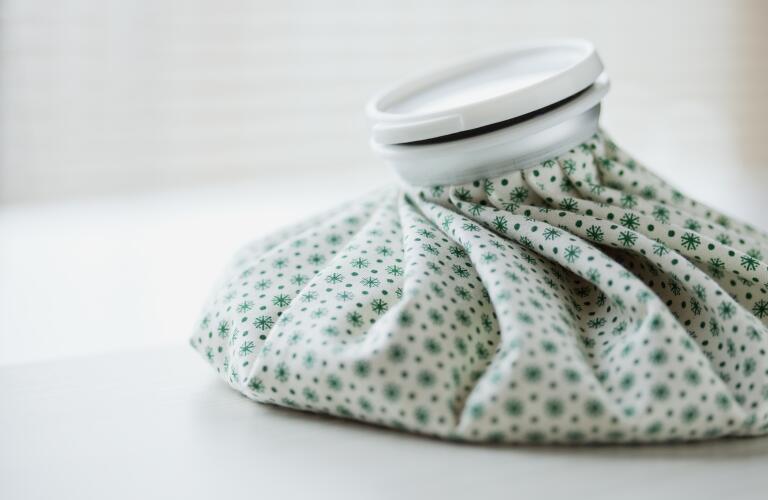 Image Source/ HealthgradesIf you're finding it difficult on a particular occasion to avoid scratching at your skin, consider applying a cool compress to ease the urge. Just soak a towel, wring until damp, apply for a while then moisturise with your usual moisturiser afterwards.
Advertisement
Be Aware Of Your Infant's Clothes
 Image Source/ UnsplashAs you're now probably aware from reading this article, stress and heat are a major cause when it comes to making eczema itchy. This goes the same for your child too. If you're dressing them in multiple layers, odds are that they're getting uncomfortable and can cause heat rashes.
Advertisement
Keep Your Child's Nails Short
 Image Source/ PexelsChildren and infants don't have the same willingness to stop scratching as what adults, as the consequences are often unknown to them. To avoid them scratching at night, try clipping their nails short enough so that they can't cause their eczema any damage.
Advertisement
Avoid Using Scarves
 Image Source/ PexelsEven though it might be a good idea to cover your own face with a scarf to protect from cold air, don't do this to your child. Instead, try purchasing an infant car seat cover that can help shield your infant from the cold outside air, but do check to make sure they have proper airflow.
Advertisement
Avoid Bathing Infants Too Often
 Image Source/ PexelsIf you bathe infants and children too often, their skin will be dried out which will only worsen or cause an onset of eczema. They only actually need bathing once or twice a week, unless they are obviously visibly soiled (which we hope you would bath them then!).
Advertisement
Baby Shampoos
 Image Source/ PexelsMake sure that the shampoos you're picking up for the little ones are suitable for eczema, as not all of them are. Also, eczema shampoos can often sting the eyes, so look for those advertised as "tear-free" too when you're scanning the bottles in the supermarket.
Advertisement