
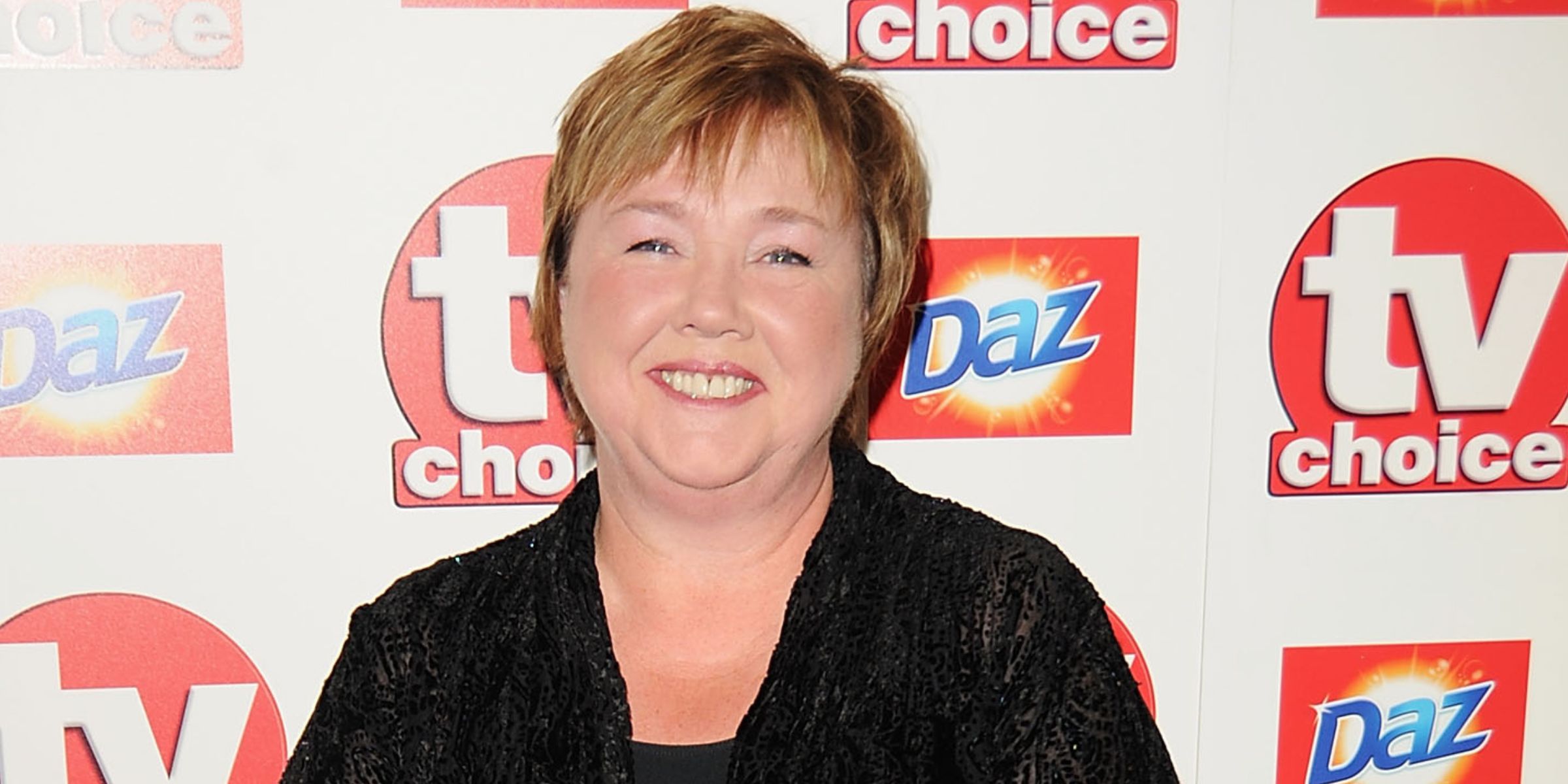
Pauline Quirke and Her Devastating Dementia Battle

She was a familiar face on British television before her life took a profoundly different turn when she was diagnosed with dementia. What followed was a gradual onset of the illness, uncertainty, and her family's fight to raise awareness of a disease they say changed everything.
Pauline Quirke spent decades making Britain laugh. She was a fixture of primetime television whose work stretched back more than 50 years and became best known as Sharon Theodopolopodous in the sitcom "Birds of a Feather."
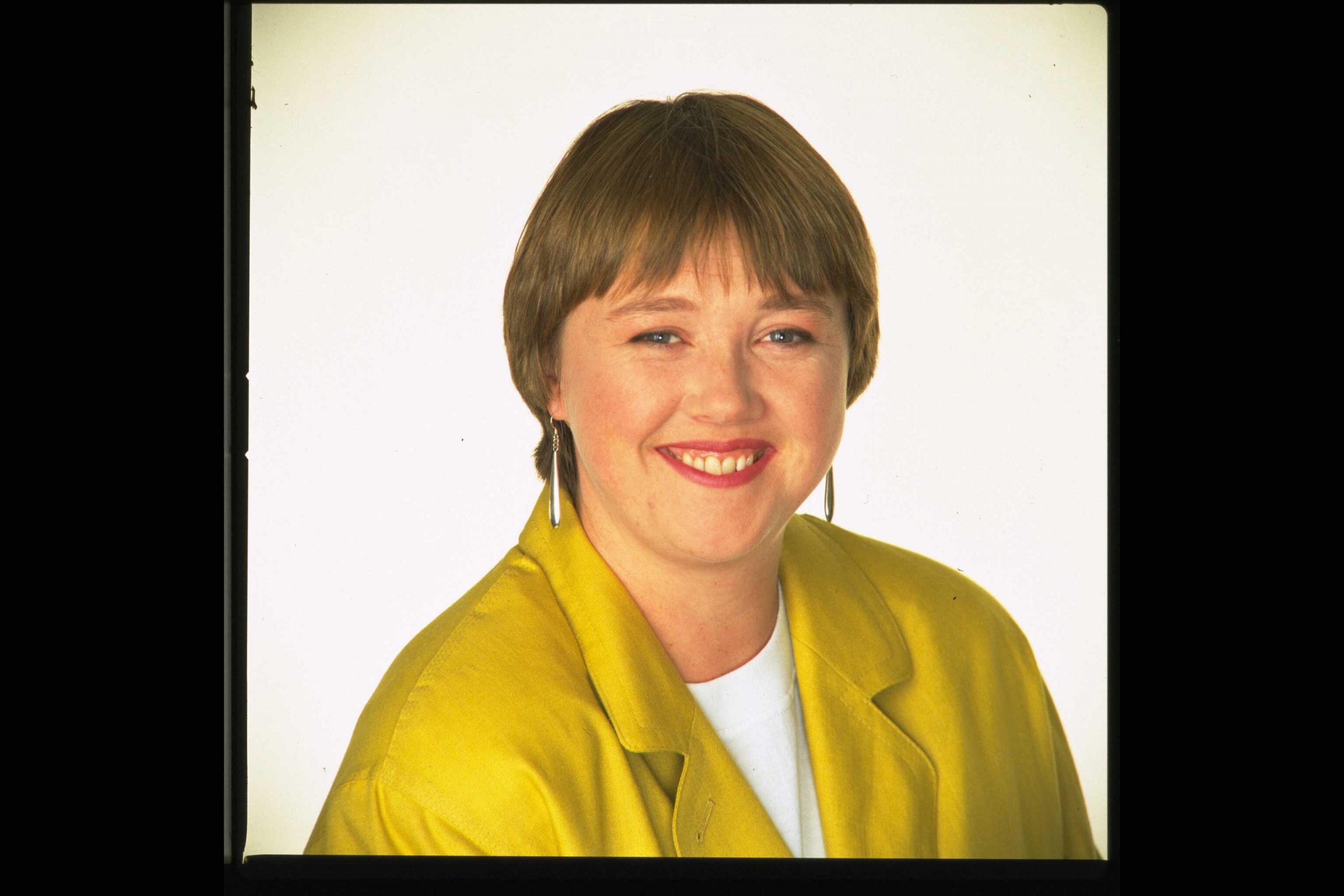
Pauline Quirke as Sharon Theodopolopodous in sitcom "Birds of a Feather," circa 1992. | Source: Getty Images
The actress earned a BAFTA nomination for the BBC drama "The Sculptress" in 1997, and was awarded an MBE in 2022 for services to entertainment, young people, and charities, including her work with the Pauline Quirke Academy.
But behind that public record, her family have described a private crisis that began with a moment so small it could have been dismissed — until it could not.
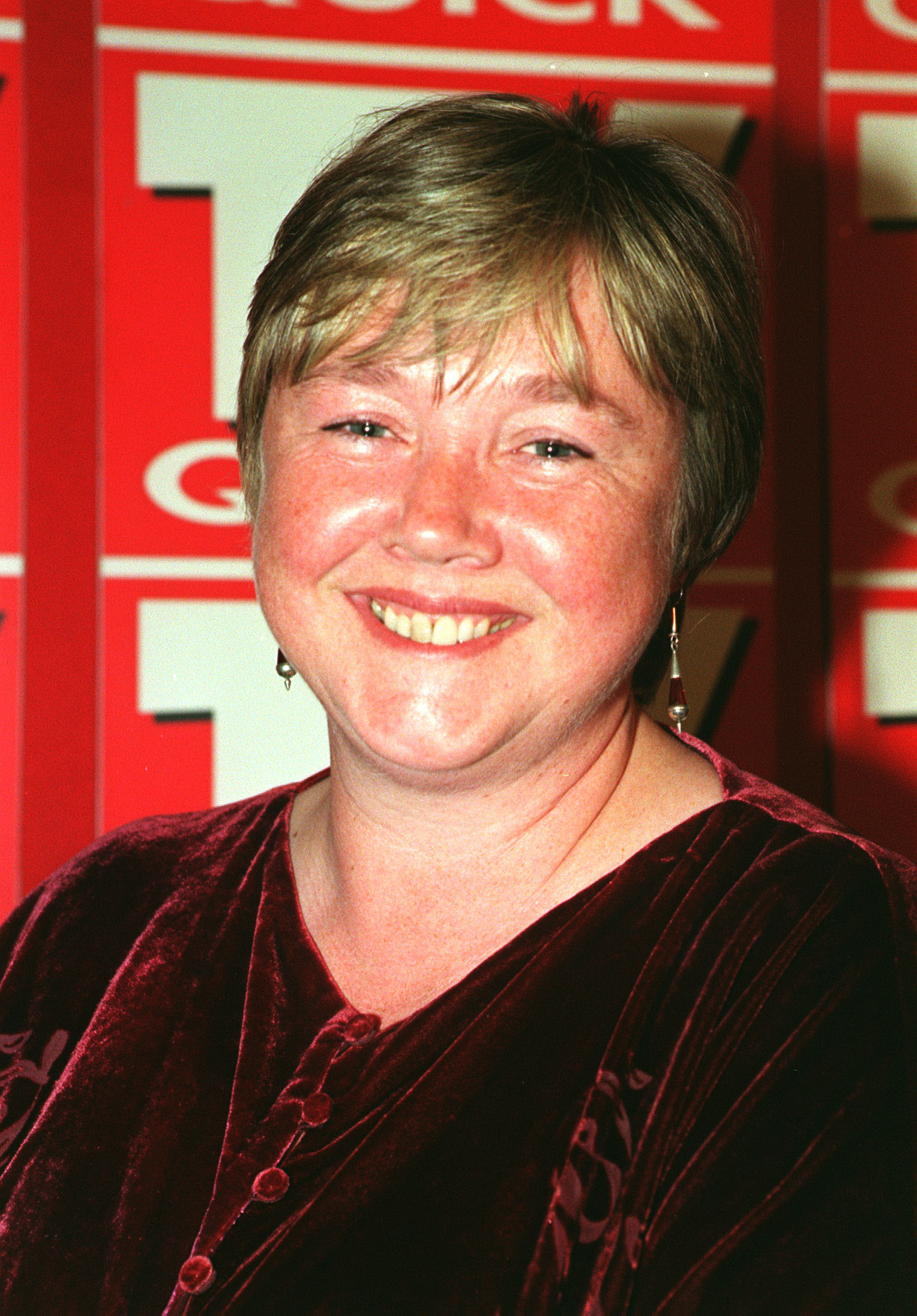
Pauline Quirke at the TV Quick Awards on September 2, 1998, in London, England. | Source: Getty Images
Speaking on BBC Breakfast in 2025, Quirke's husband, Steve Sheen, and their son, Charlie Quirke, gave their first interview about her condition after the family announced in January of that year that she had been diagnosed with dementia in 2021, when she was 62.
Steve traced the first warning sign to late 2020, when a script arrived and his wife tried to read it. He said she called him and told him, "The words are not going in." As for Charlie, the initial shock was not just in the diagnosis, but the age at which it came.
He said he was "quite surprised" it could happen to a woman in her 60s, before adding that dementia can affect people far younger, too — a reality the family said they had to learn quickly.
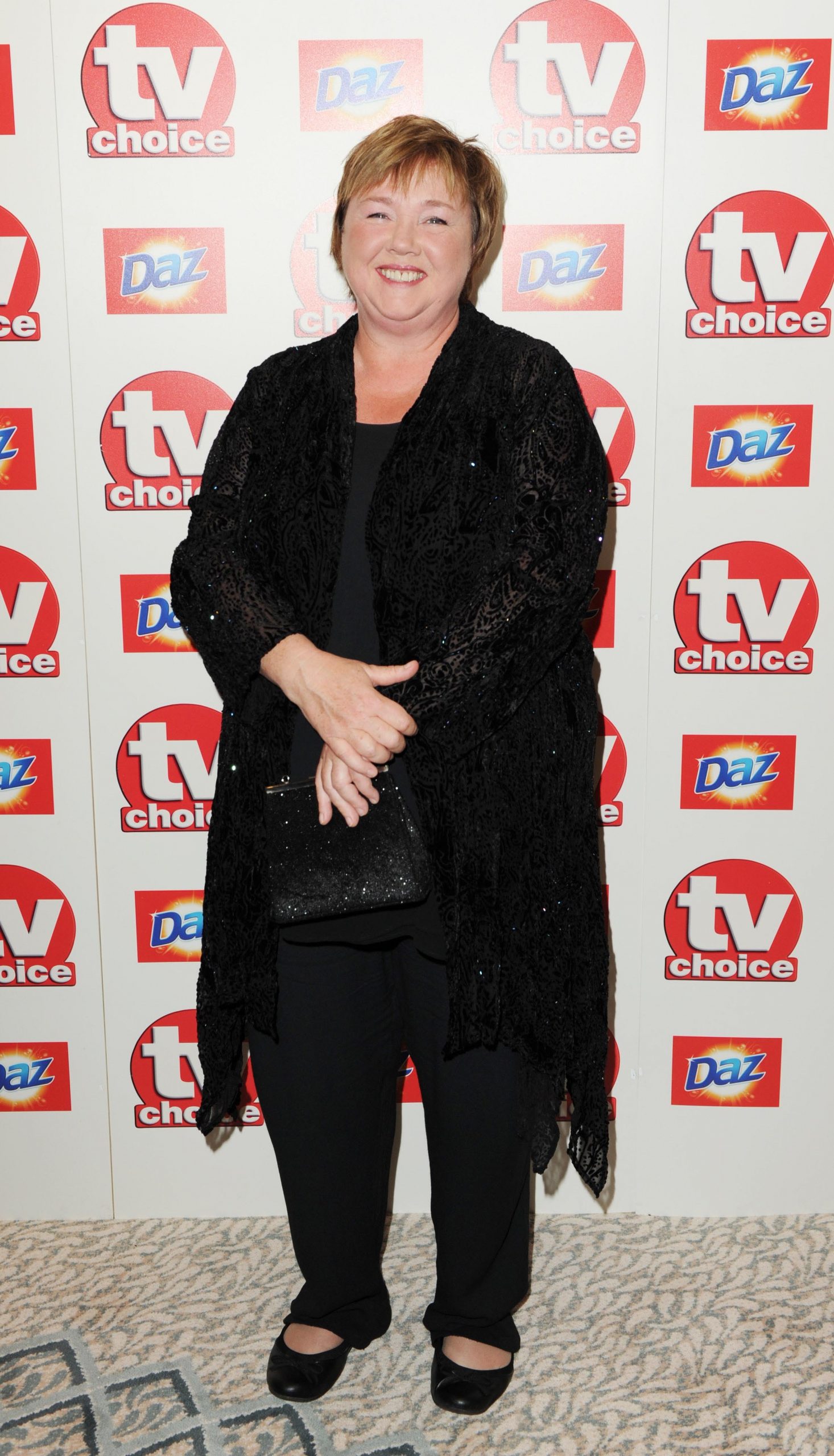
Pauline Quirke at the 2010 TV Choice Awards on September 6 at the Dorchester Hotel in London, England. | Source: Getty Images
What followed, Steve suggested, was not a single breaking point but a slow shift. Dementia did not announce itself day by day in a way the family could easily measure.
Instead, he described an experience that felt gradual enough that, for the first year or two, they convinced themselves she was "all right." However, several years on, he said, it was different.
That uncertainty — the sense of living without a clear map — sat at the heart of why they chose to speak publicly. Steve said they were private people, but they decided to step forward for one reason:
"We're just trying to make people aware of the condition. That's all."
Charlie framed it as a family illness, not an individual one. Dementia, he said, does not only affect the person diagnosed; it affects everyone around them.
He opened up about wanting to help others in similar situations understand more about what the condition can do and why research funding matters, adding that his mother had always been charitable, and this was what she would want.
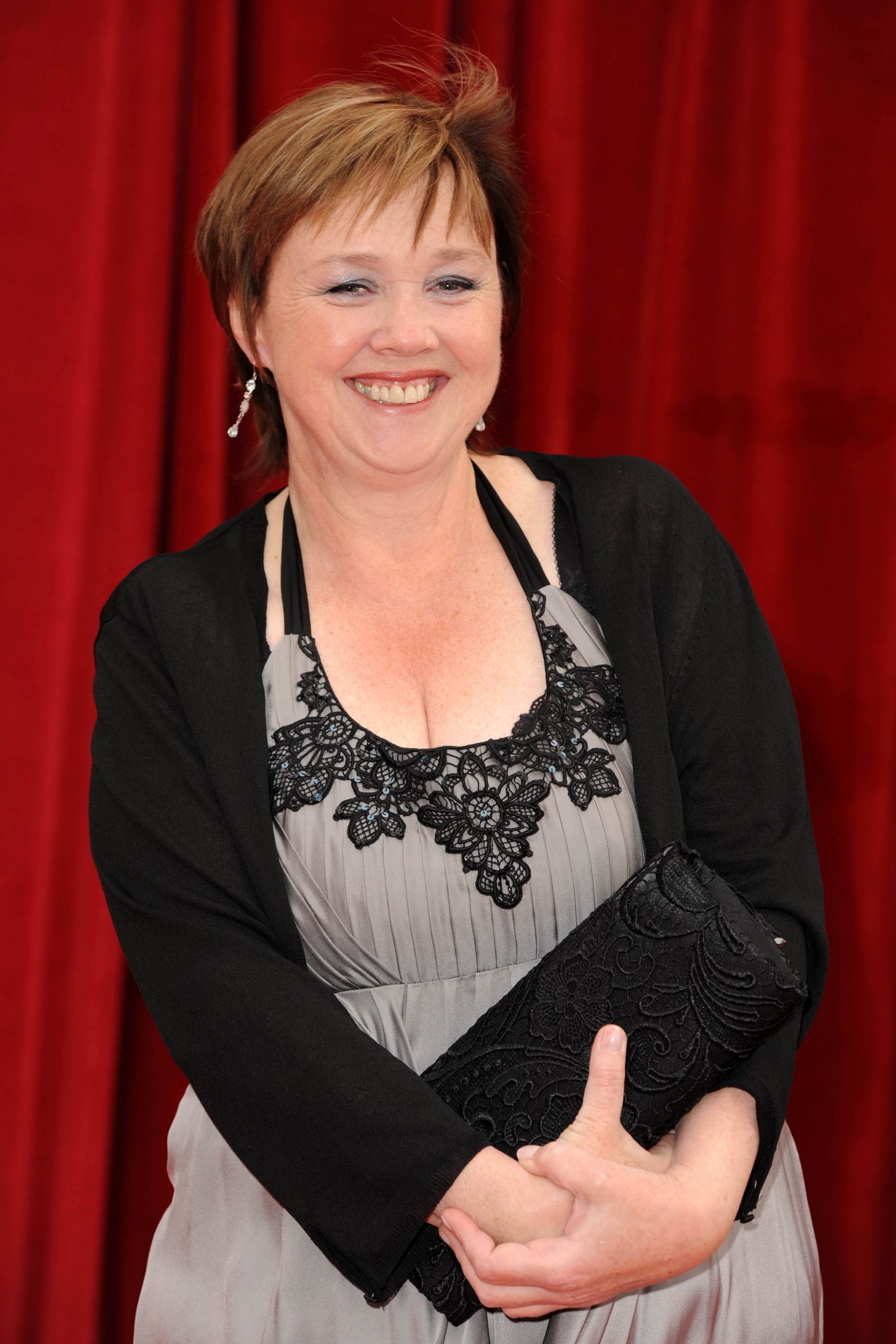
Pauline Quirke at the 2011 British Soap Awards at Granada Television Studios on May 14 in Manchester, England. | Source: Getty Images
When asked what stage Pauline was at, the answers were cautious. Steve revealed that the family did not know what the timeline would look like, how long the disease might last, or how quickly it might progress.
The lack of certainty, he indicated, was part of the burden — and part of the reason awareness is so important. On the one hand, the family emphasised that Pauline remained herself in crucial ways.
But on the other hand, in remarks shared separately from the BBC interview, Steve revealed of his wife's condition, "She doesn't have much time left..."
The tension between those realities — the warmth of the person they still recognise, and the fear of what comes next — carried into the public campaign Charlie launched in Pauline's name.
In December 2025, he set out on a fundraising trek for Alzheimer's Research UK — 140 kilometers over five days, from December 8 to 12, crossing five counties.
https://www.instagram.com/reel/DRNK_YNjpWw/?igsh=dHF4eHN3dDlyODR0&mWidth=350&mHeight=657&dWidth=600&dHeight=970The route began in Chigwell, Essex — the home setting of "Birds of a Feather" — and was designed to take in places tied to his mother's life and career, including homes she lived in, theatres, and television studios where she worked, as well as the headquarters of her children's drama school.
He described the walk as something that would hold more than one emotion at once. "It should be thought-provoking. It should be happy. It should be sad," he said, explaining it as a way to raise awareness while learning more about his mother's life through the people who love her.
Pauline's son also spoke about the reputation he believed she had earned over a lifetime in the industry, saying it would be hard to find someone with a bad word to say about her, and calling that a testament to the woman she is. In describing her as a mother, Charlie stated:
"Best mom in the world. Loving, caring, funny."
During the trek itself, one moment in particular drew intense attention online — a surprise arrival by Steve at the start line on day four, captured in an emotional video shared on social media.
The response from the public was immediate and raw. One person commented, "That was so precious and what an amazing mission!!" Another typed, "Crying AGAIN" while a third wrote, "Great job mate - your mum would be proud 👏"
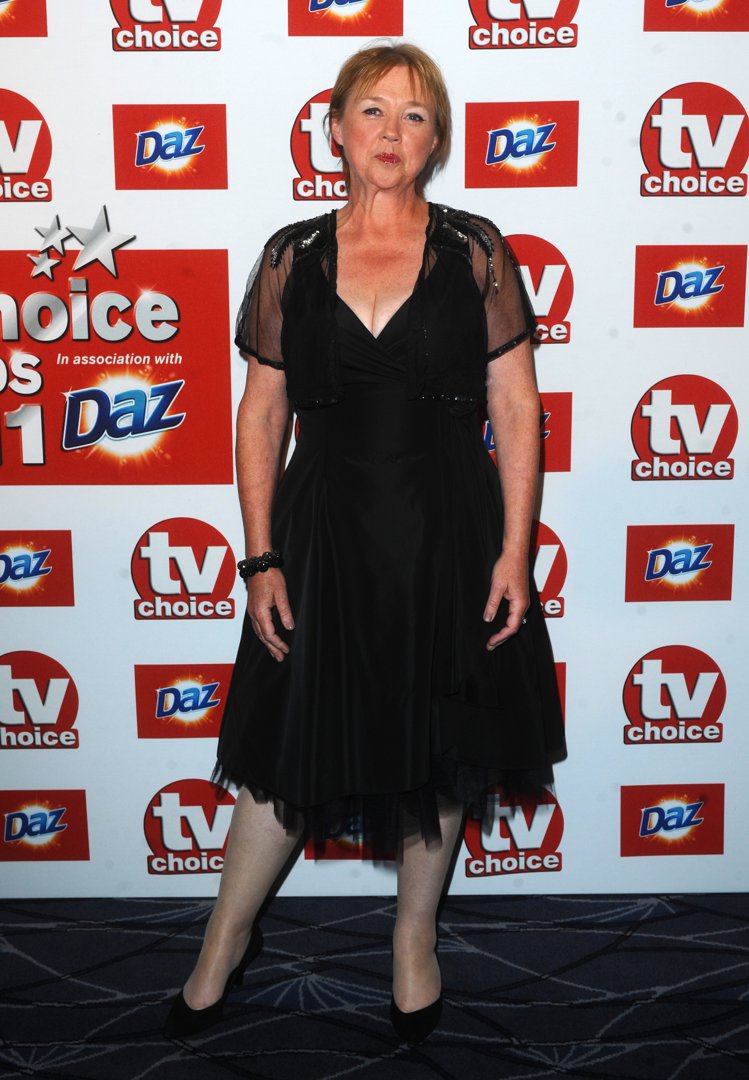
Pauline Quirke at the 2011 TVChoice Awards on September 13 at the Savoy Hotel in London, England. | Source: Getty Images
Alongside these kind messages were comments that captured the wider, familiar grief surrounding dementia — and why campaigns like this resonate so strongly. One person wrote, "This is heartbreaking for everyone thinking of your family and friends [sic]."
Another commenter shared their own experience, writing, "Dementia is a disgusting disease. It robs people of everything...there memories ,dignity and recognition of loved ones [sic]."
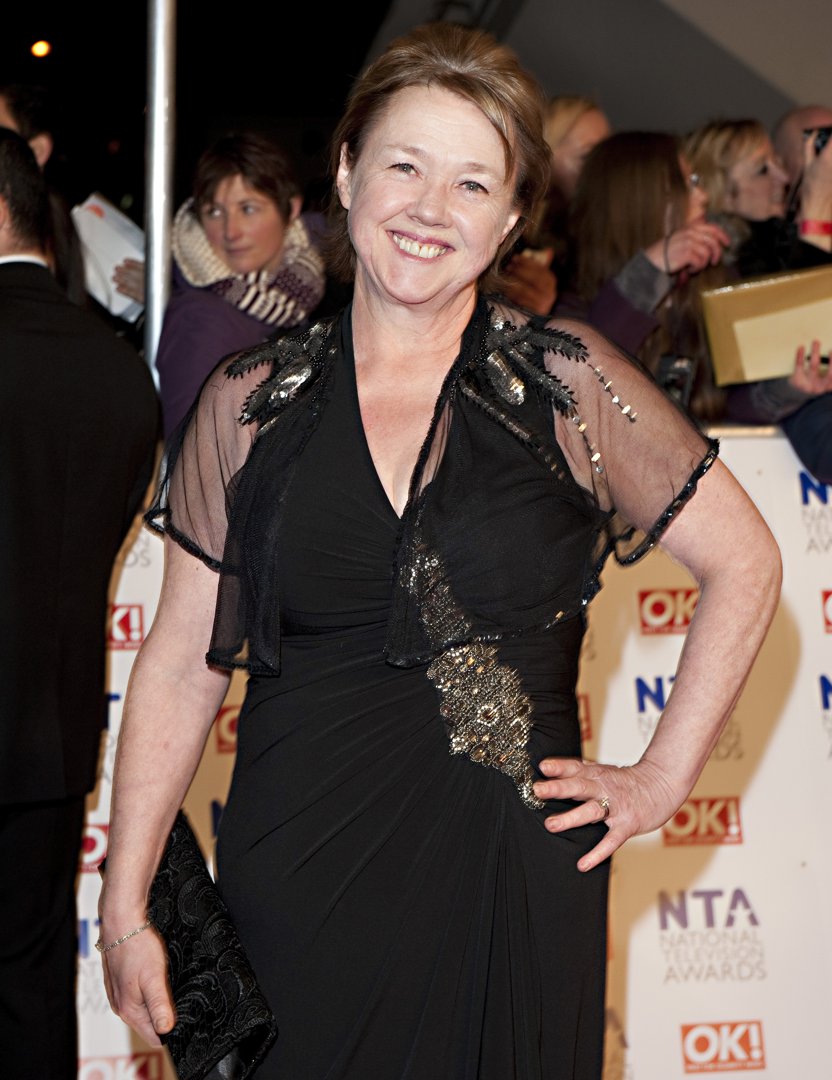
Pauline Quirke at The National Television Awards at The O2 Arena on January 25, 2012, in London, England. | Source: Getty Images
"I lost my grandmother mother and now my sister has it [sic]. Pauline brought so much fun and laughter to so many people. God bless her and her family...I know your pain," the netizen continued.
A third message read, "Dementia takes them away and is so sad to watch x much love to your family so sad life is so fragile [sic]," while a fourth person added, "Its [sic] a very cruel disease that steals family and friends from the victim one by one."
For Steve and Charlie, the decision to speak was presented as deliberate, even if painful — using Pauline's name and story as what Steve called a catalyst to make more people aware, and to help others feel less alone in a condition that arrives in increments, not headlines.
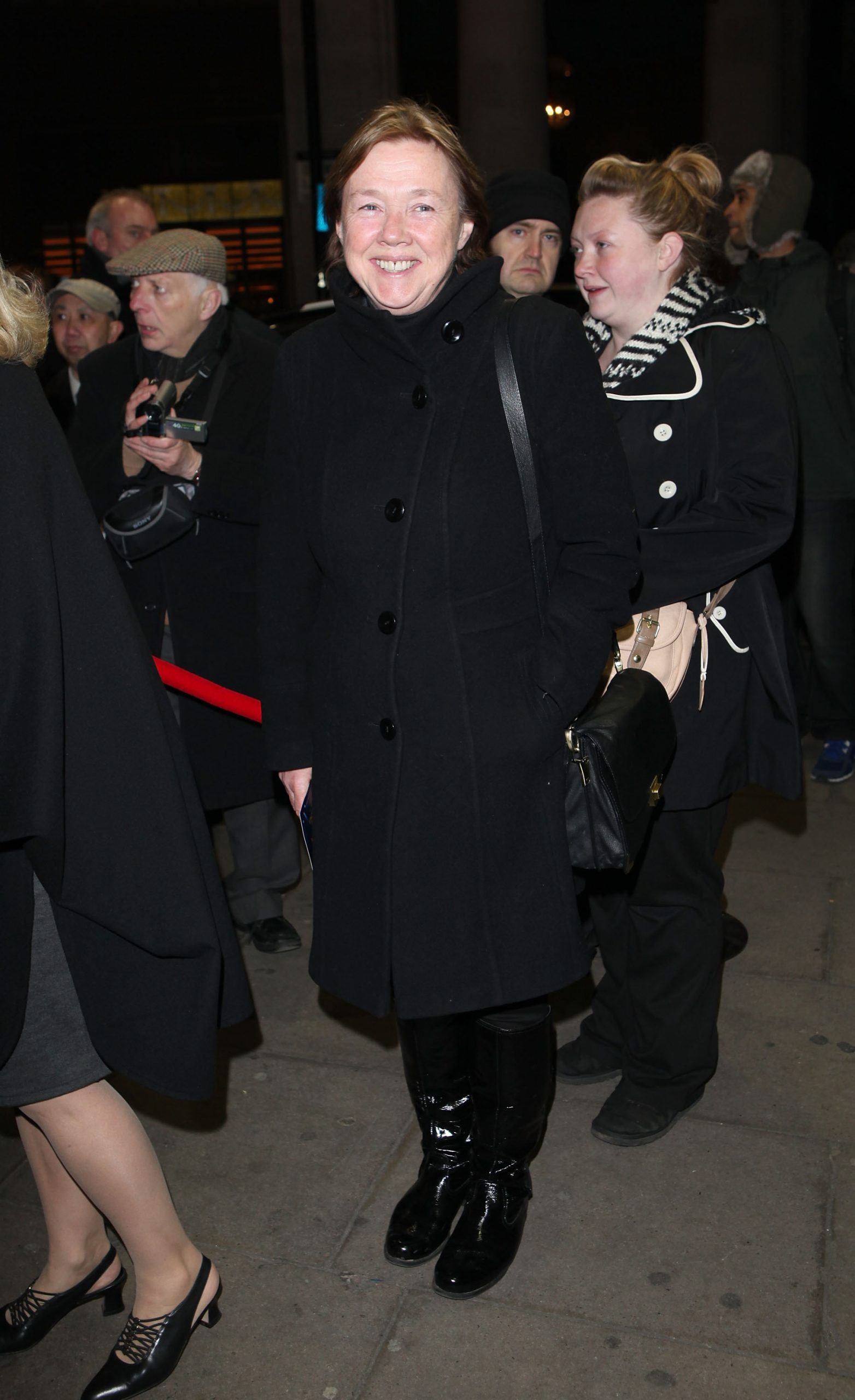
Pauline Quirke at the press night for "Midnight Tango" at Aldwych Theatre on January 31, 2012, in London, England. | Source: Getty Images
What remains, they suggested, is an exhausting balance — protecting Pauline's privacy while acknowledging the scale of the illness, marking the time they still have while admitting they do not know how much that is, and turning love into action when there is no clear cure.