
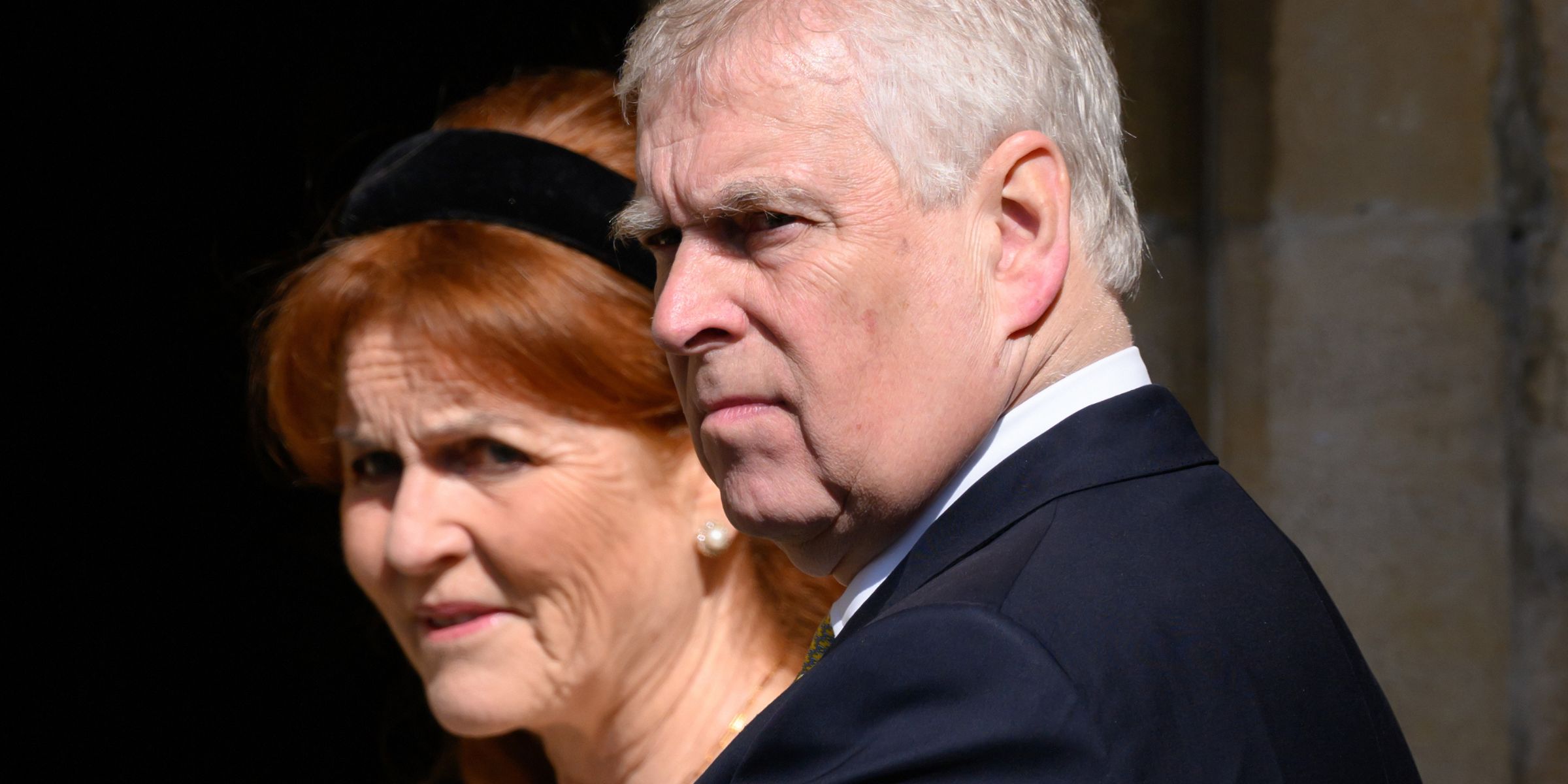
Why Was It Reportedly Difficult for Staff to Deal with Sarah Ferguson and Prince Andrew?

Drawing on his years of service, a former butler alleged that disrupted routines, lavish entertaining, and strained staff relations quickly turned the former couple into a source of internal unrest — one that eventually reached the attention of Queen Elizabeth II.
Former royal butler Paul Burrell claimed that life behind palace doors became unexpectedly strained for staff shortly after Sarah Ferguson married Andrew Mountbatten-Windsor, the former Duke of York, in 1986, alleging that the newlyweds' behaviour placed unusual pressure on household routines and personnel.
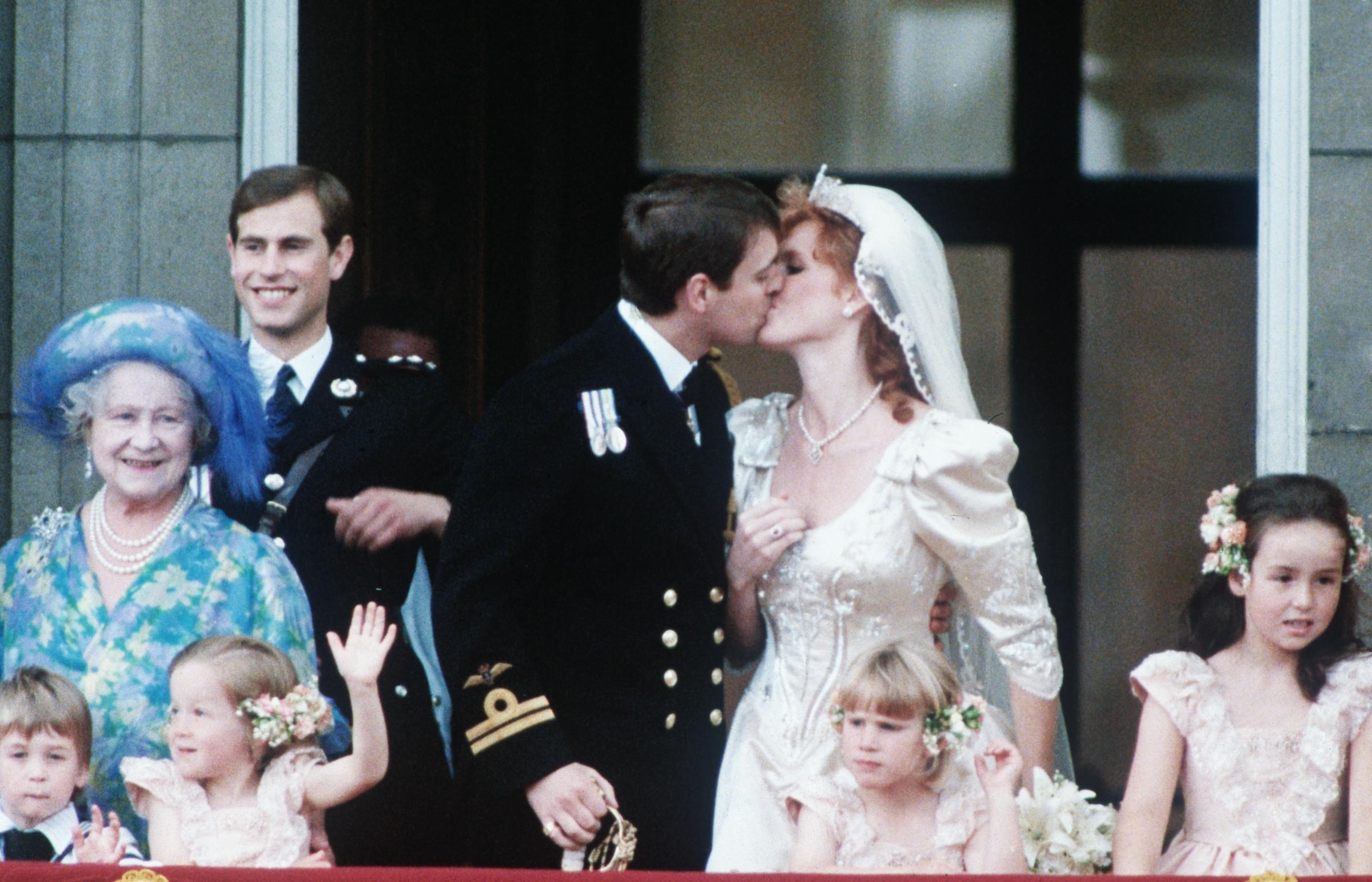
Andrew Mountbatten-Windsor and Sarah Ferguson sharing a kiss on a balcony following their wedding ceremony at Buckingham Palace in 1986. | Source: Getty Images
In his 2025 memoir, "The Royal Insider: My Life with the Queen, the King and Princess Diana," Paul — who spent years working inside Buckingham Palace — reflected on what he described as growing frustration among staff during the early years of the marriage.
According to the former butler, Andrew was "besotted" with his new wife and believed she "could do no wrong," an attitude that, he suggested, contributed to tensions behind the scenes.
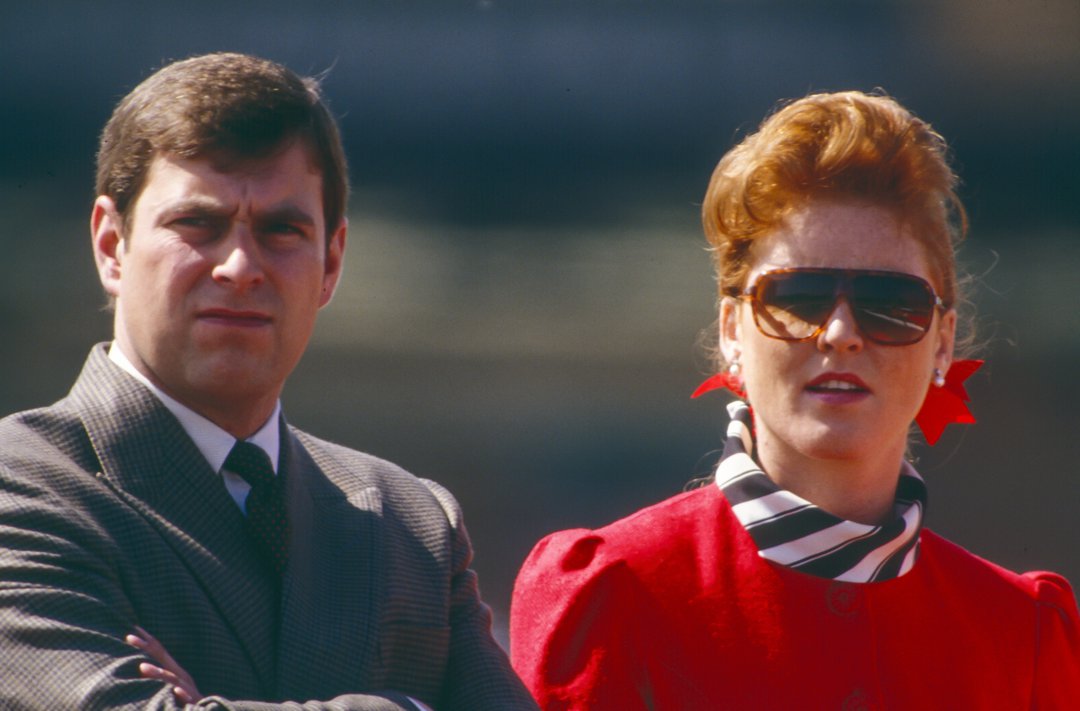
Andrew Mountbatten-Windsor and Sarah Ferguson at The Red Arrows on May 7, 1987, in Scampton, England. | Source: Getty Images
Paul wrote bluntly, "But the staff were up in arms early in the marriage," claiming that from the outset the couple disrupted long-established royal household practices.
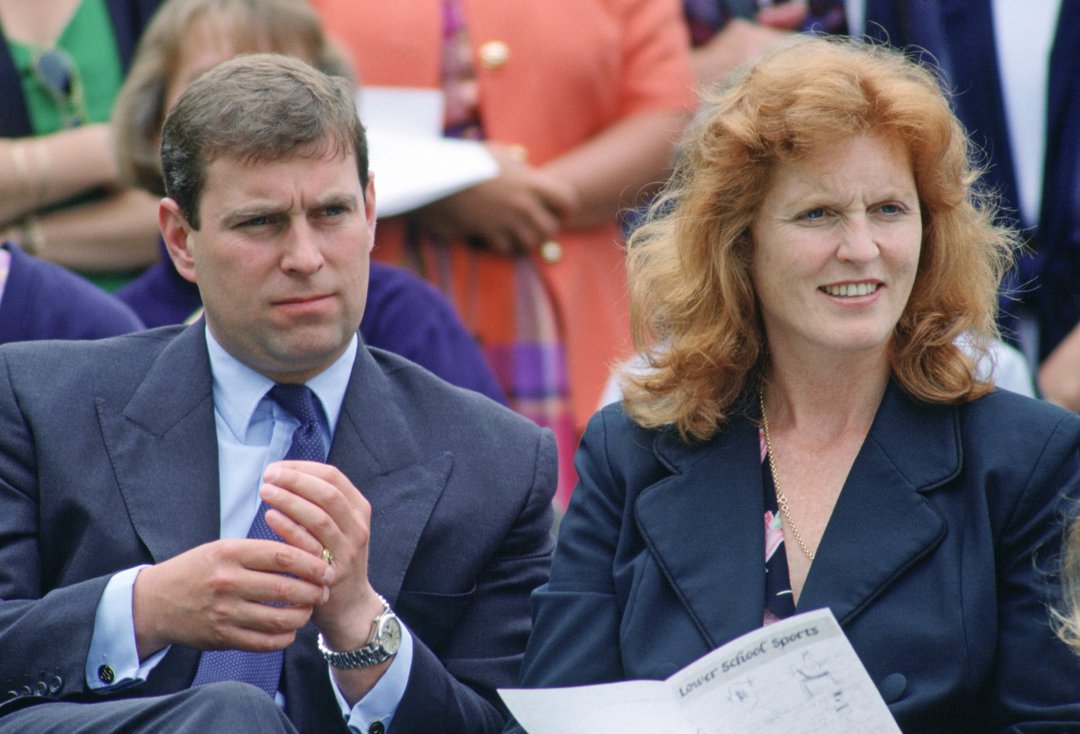
Andrew Mountbatten-Windsor and Sarah Ferguson at Princess Beatrice's school sports day in 1993. | Source: Getty Images
One of the earliest flashpoints, he said, involved the couple's refusal to leave their bedroom for extended periods. According to Paul, maids were reportedly barred from entering to make the bed for days at a time — a breach of routine that unsettled staff accustomed to strict schedules and protocol.
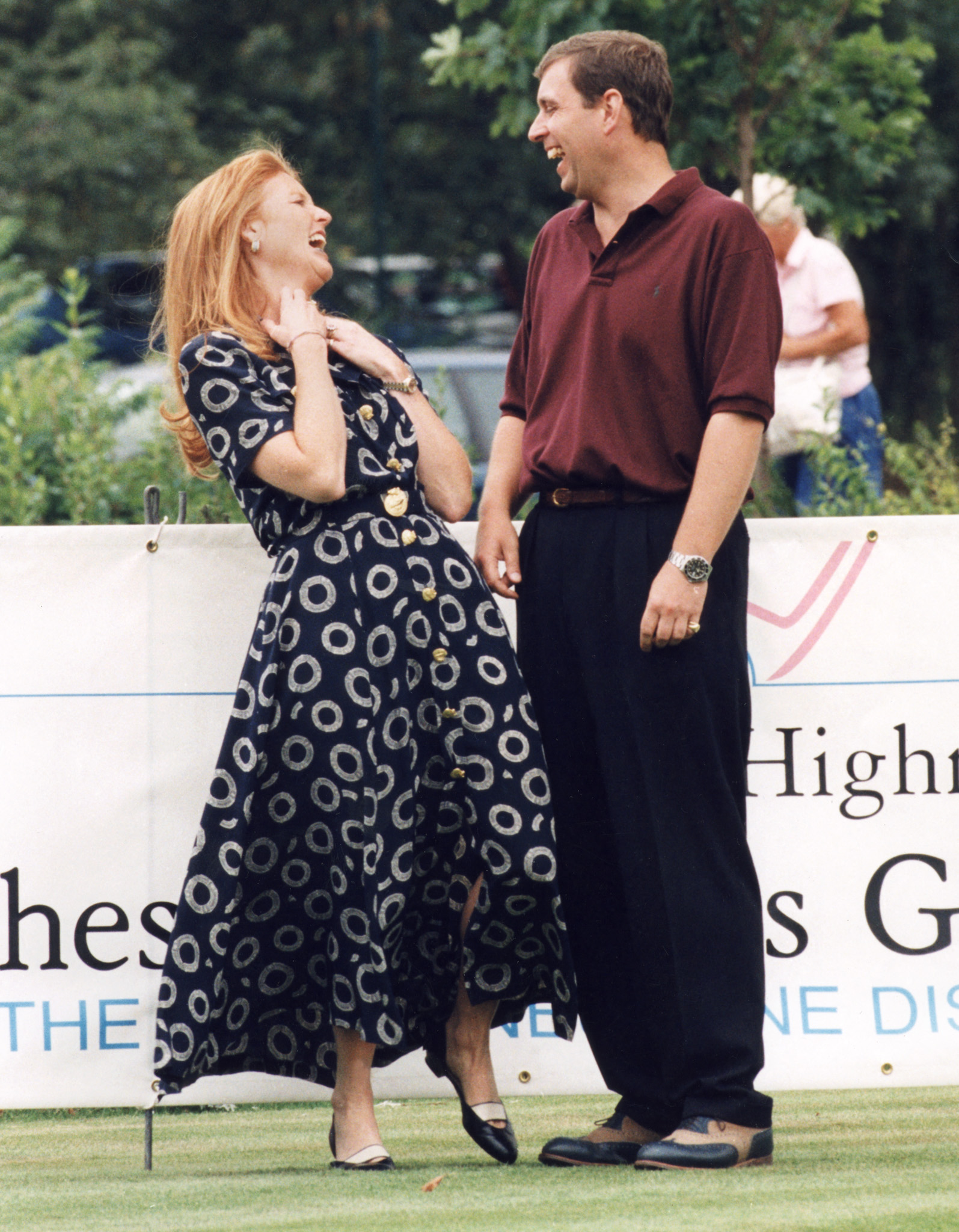
Sarah Ferguson and Andrew Mountbatten-Windsor at the Wentworth Golf Club on August 7, 1995. | Source: Getty Images
When Sarah and Andrew did eventually emerge, Paul alleged that their social life only intensified the strain. He claimed the couple frequently hosted lavish lunch, dinner, and tea parties with friends, creating an unpredictable and exhausting workload for kitchen staff.
Paul, who worked closely with Diana, Princess of Wales, between 1987 and 1997, suggested the issue was not extravagance alone but the lack of structure.
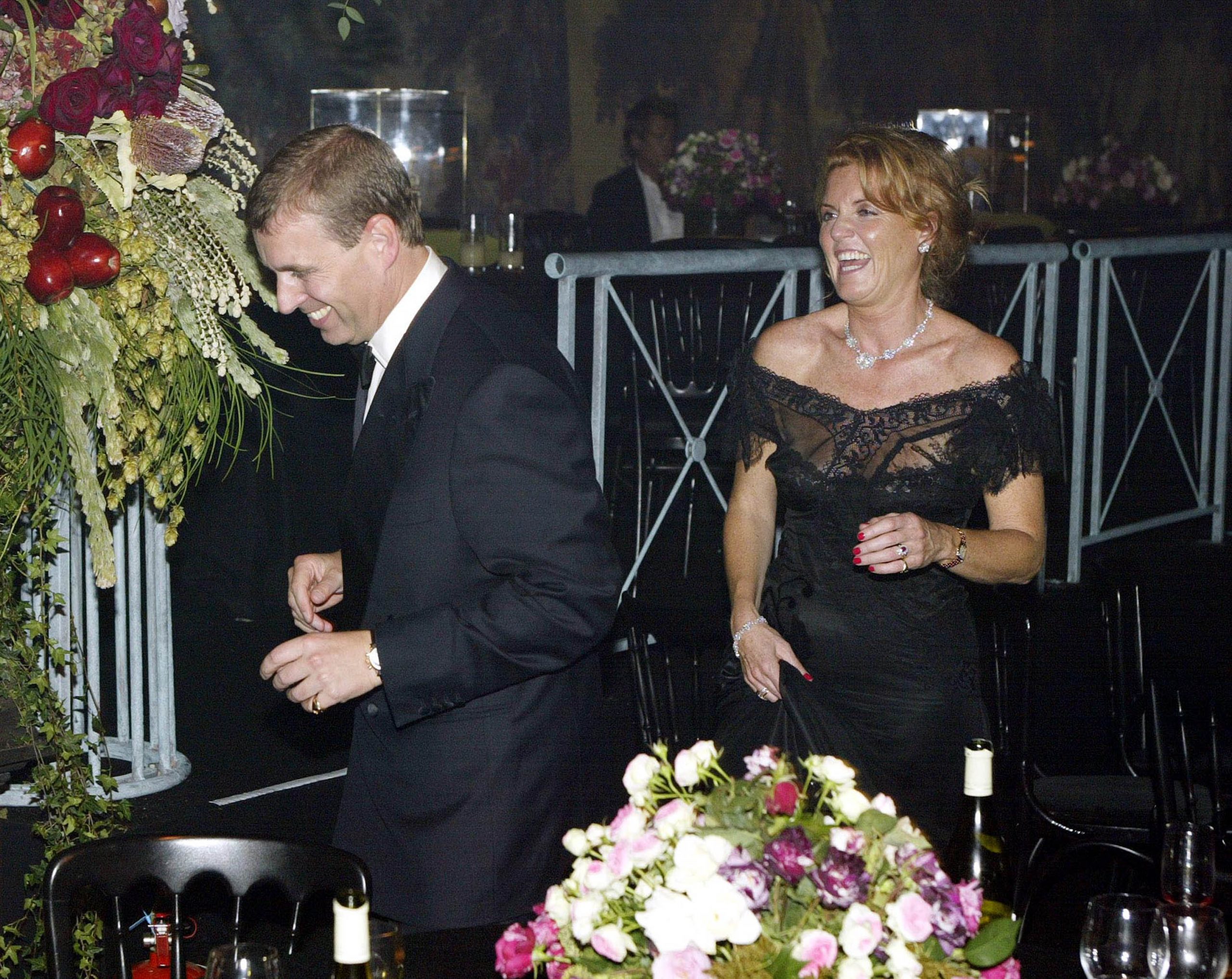
Andrew Mountbatten-Windsor and Sarah Ferguson at the Garrard jewellers launch party on September 13, 2002, in London, England. | Source: Getty Images
Royal kitchens, he explained, were designed around fixed meal times and carefully planned menus — not on-demand entertaining. He pointedly added:
"The kitchen staff were run off their feet. Even the Queen didn't entertain so extravagantly. The royal chiefs were furious to be making food like it was an à la carte restaurant."
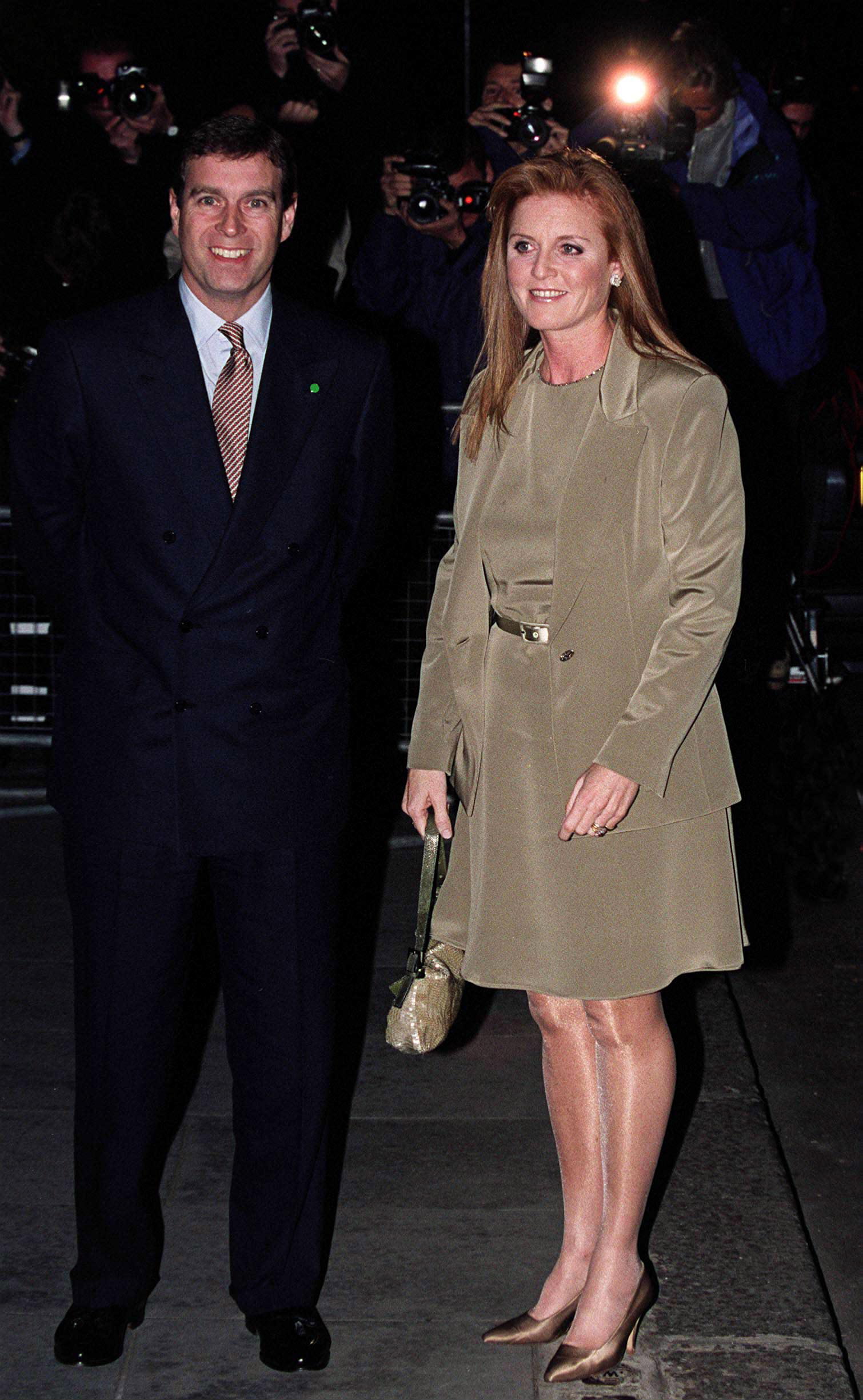
Andrew Mountbatten-Windsor and Sarah Ferguson at Blakes Hotel on October 12, 1999, in London, England. | Source: Getty Images
He claimed staff were accustomed to preparing meals for Queen Elizabeth II and other members of the Royal Family at specific times, with little tolerance for deviation. Eventually, the situation reportedly escalated.
Paul alleged that resentment among staff reached a breaking point, prompting formal complaints within the palace hierarchy. "The staff rebelled, and protests were made to the Master of the Household, who informed the Queen of her staff's unhappiness," he wrote.
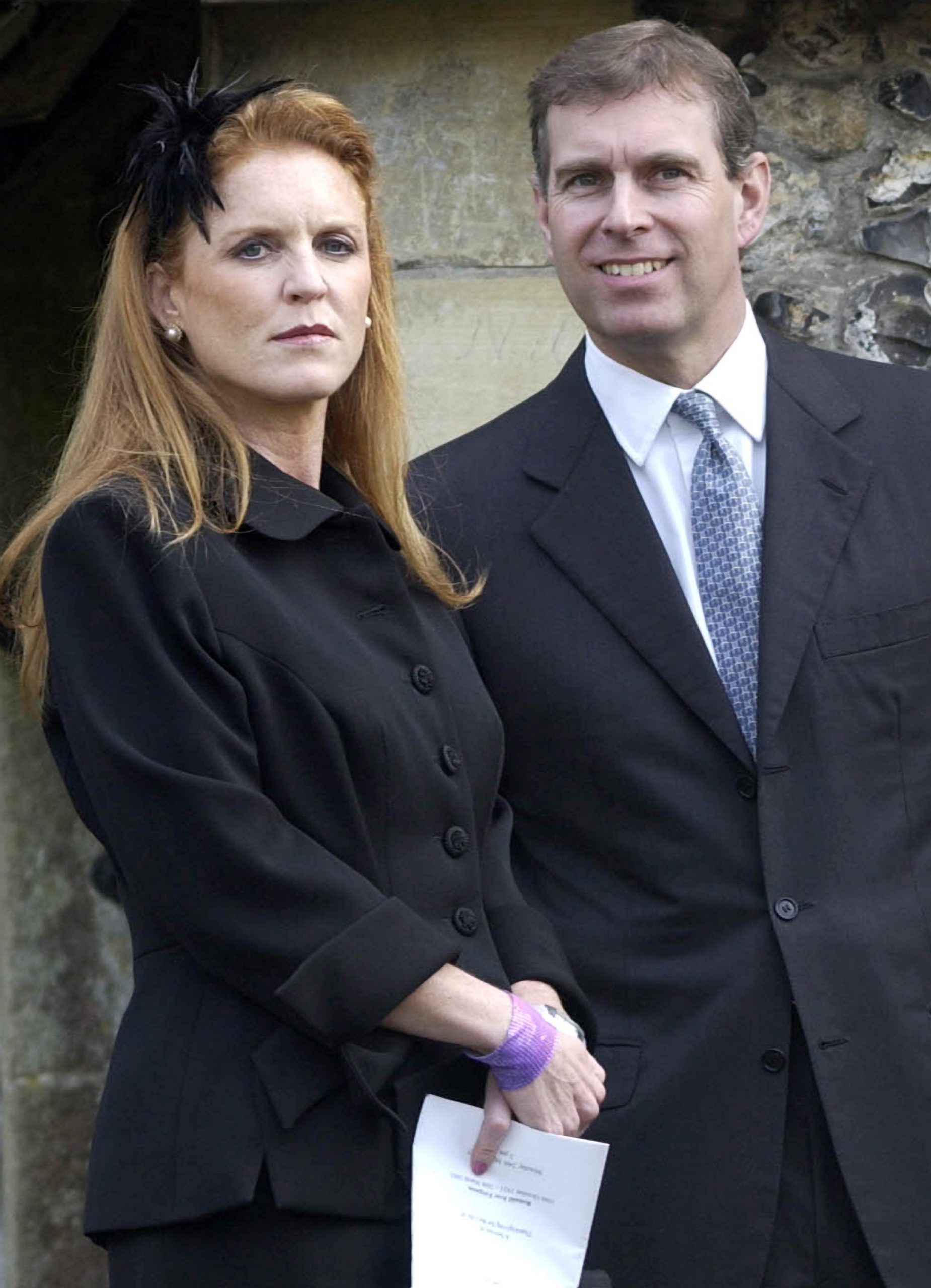
Sarah Ferguson and Andrew Mountbatten-Windsor at a memorial service for Major Ronald Ferguson on March 24, 2003. | Source: Getty Images
Queen Elizabeth II, Paul claimed, was forced to intervene. He described her as someone who despised waste and carefully planned her meals, deciding exactly what food should be prepared each day.
From her perspective, he suggested, there was no justification for Andrew and Sarah operating under a different set of rules.
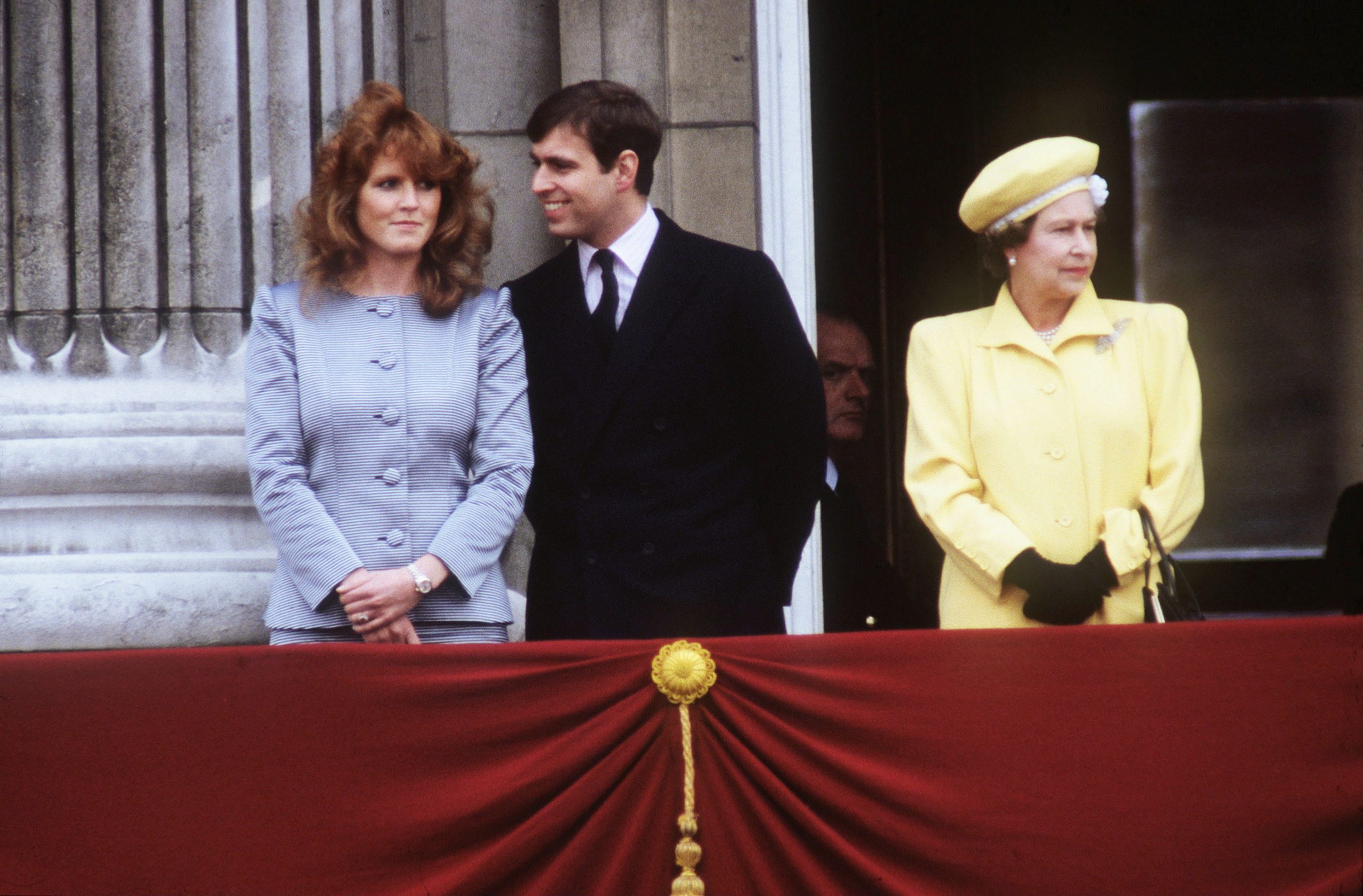
Sarah Ferguson, Andrew Mountbatten-Windsor, and Queen Elizabeth II on the balcony at Buckingham Palace for the Queen's 60th birthday celebrations on April 21, 1986. | Source: Getty Images
In fact, Paul's account painted a picture of a monarch stepping in to restore order, ultimately bringing an end to what he described as excessive entertaining and wasteful practices.
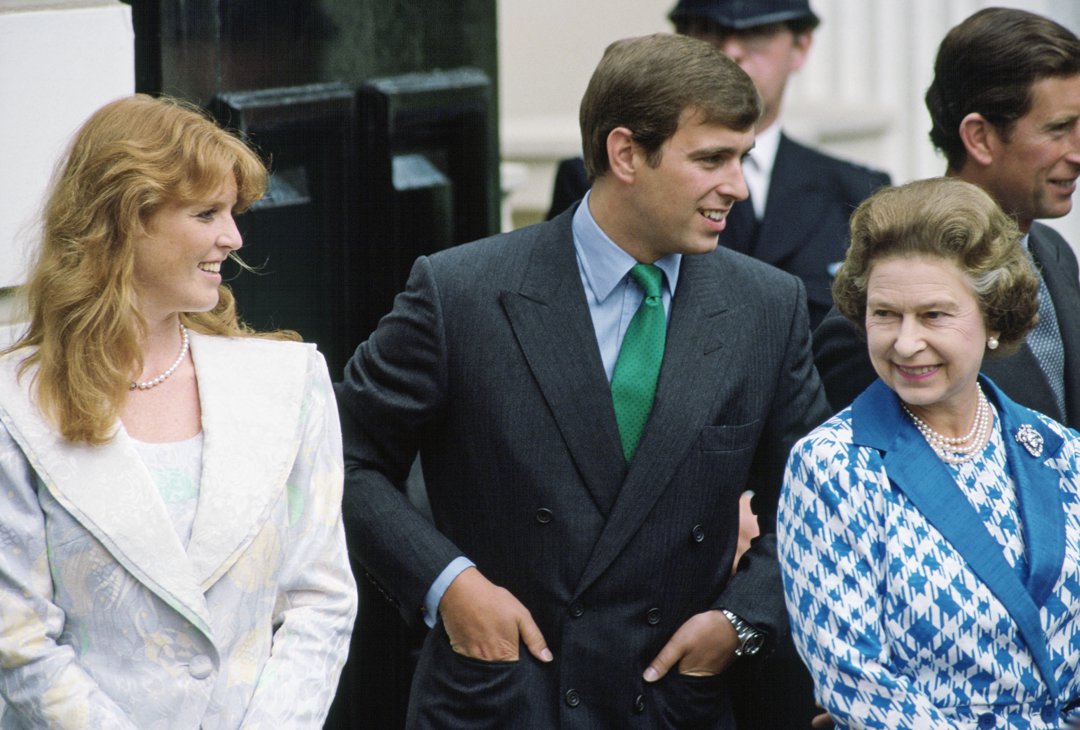
Sarah Ferguson, Andrew Mountbatten-Windsor, and Queen Elizabeth II outside Clarence House for the Queen's mother's 86th birthday on August 4, 1986. | Source: Getty Images
Beyond specific incidents, Paul also offered a broader assessment of Andrew's relationships with palace staff. He claimed the former Duke of York was difficult to work with even outside the context of his marriage.
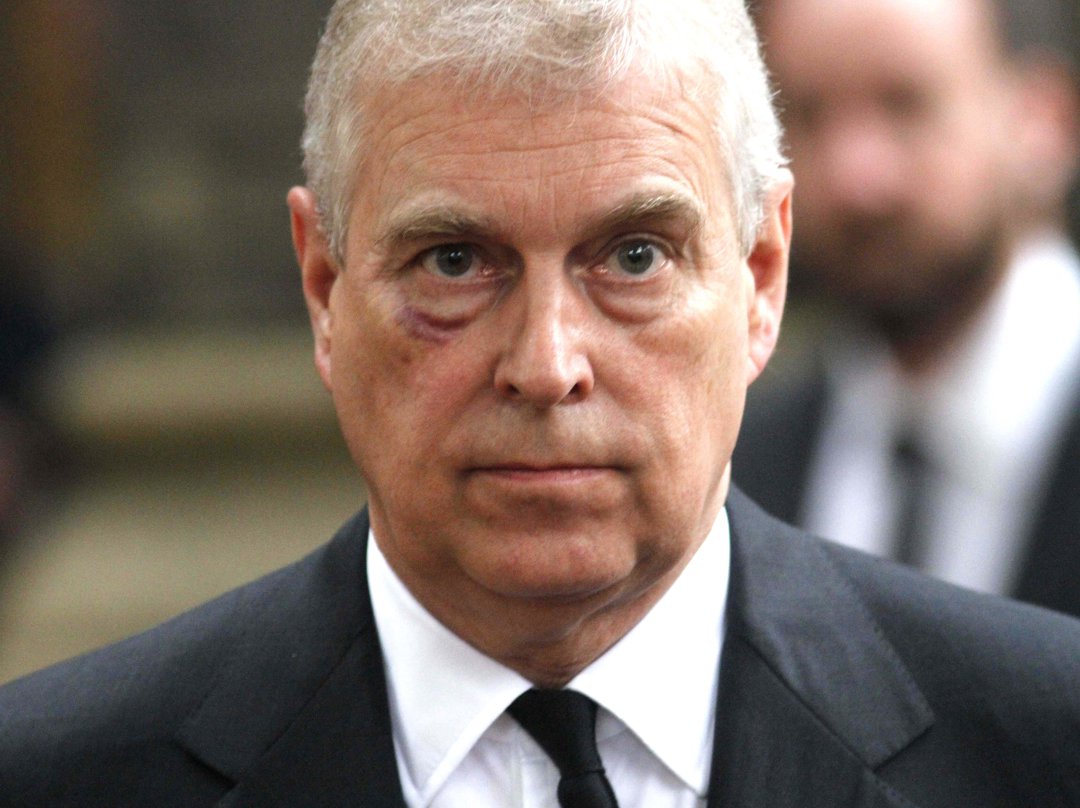
Andrew Mountbatten-Windsor at the funeral service of Patricia Knatchbull, Countess Mountbatten of Burma, at St. Paul's Church on June 27, 2017, in London, England. | Source: Getty Images
According to the former butler, "Andrew was 'never easy' to get along with, especially for the staff members." The remark suggested that friction was not confined to one period or one set of circumstances, but formed part of a wider pattern.
Paul's insights carried weight due to his long-standing service within the royal household. He first worked as a footman to Queen Elizabeth II before later serving as King Charles III's butler.
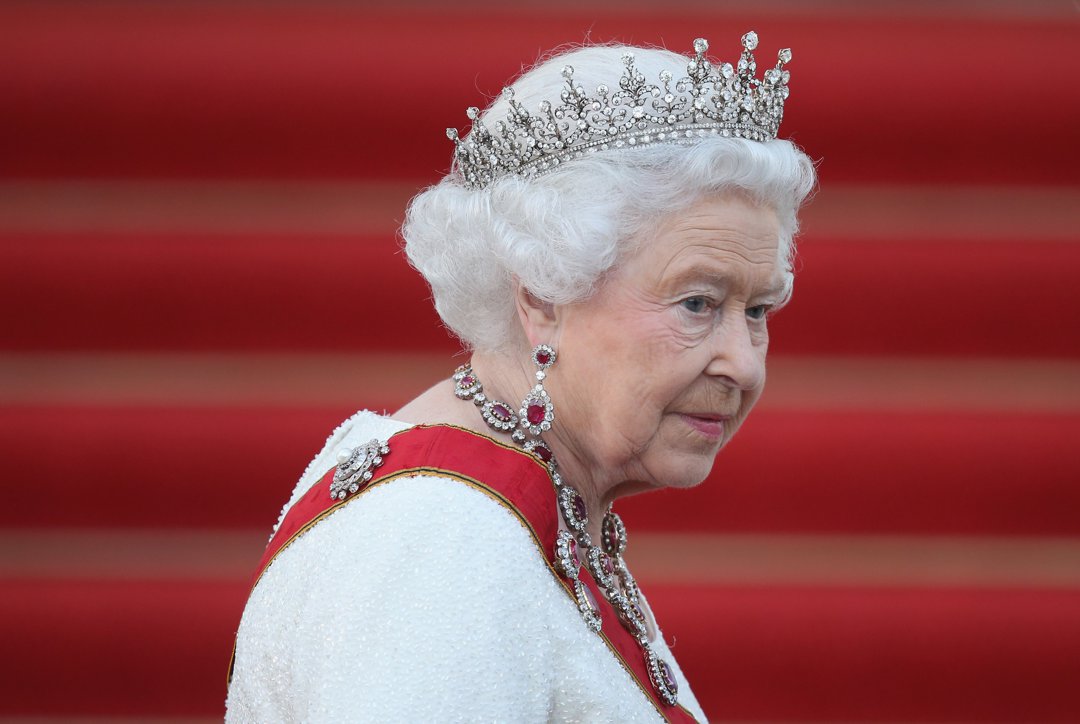
Queen Elizabeth II arrives for the state banquet in her honour at Schloss Bellevue palace on the second day of the royal four-day visit to Germany on June 24, 2015, in Berlin. | Source: Getty Images
However, he was best known publicly for his close friendship with Princess Diana, whom he supported during some of the most turbulent years of her life.
Elsewhere in "The Royal Insider," Paul shared lighter anecdotes about palace life, including a tongue-in-cheek nickname staff reportedly used for Buckingham Palace itself.
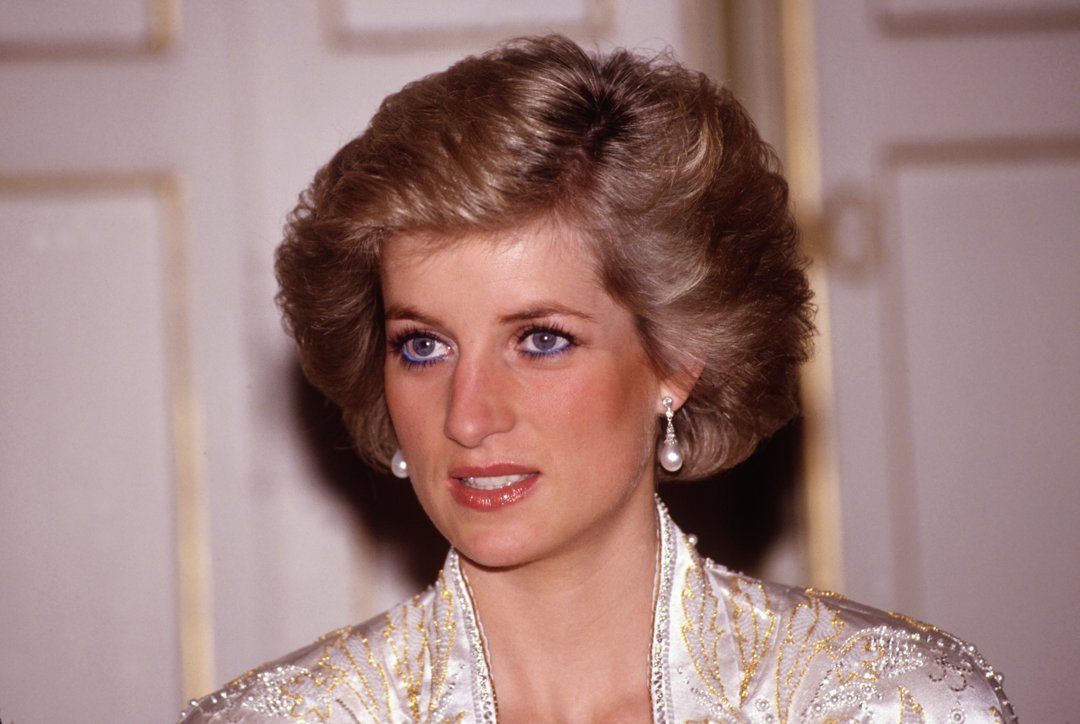
Diana, Princess of Wales, at a dinner at the Elysee Palace in Paris during the Royal Tour of France in 1988. | Source: Getty Images
Referencing a culture of heavy drinking among some staff members, he claimed the building was jokingly known as "Gin Palace" due to the volume of Gordon's gin consumed behind the scenes. Paul revealed:
"It wasn't just bed-hopping that went on in the palaces; there was a degree of inebriation which often helped people's inhibitions."
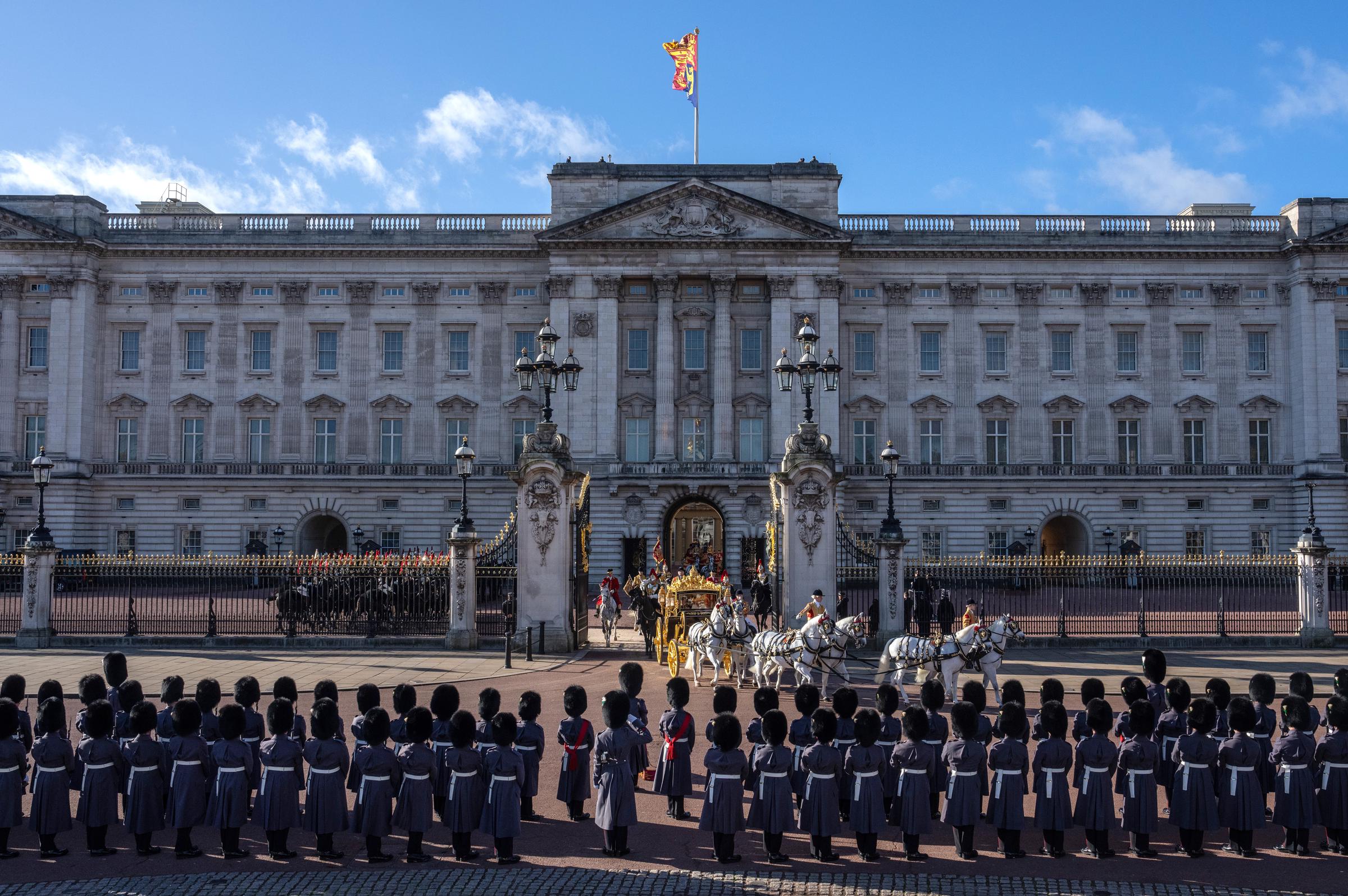
Members of the King's Guard line up outside Buckingham Palace as King Charles III and Queen Camilla depart in the Diamond Jubilee State Coach for the Houses of Parliament ahead of the State Opening of Parliament on November 7, 2023, in London, England. | Source: Getty Images
While the memoir mixed humour with nostalgia, Paul's recollections of Sarah Ferguson and Andrew's marriage stood out for their sharp critique.
His claims offered a rare glimpse into how deviations from royal routine — even by senior members of the family — could ripple through the tightly controlled world of palace staff, creating resentment, exhaustion, and ultimately, intervention from the very top.